




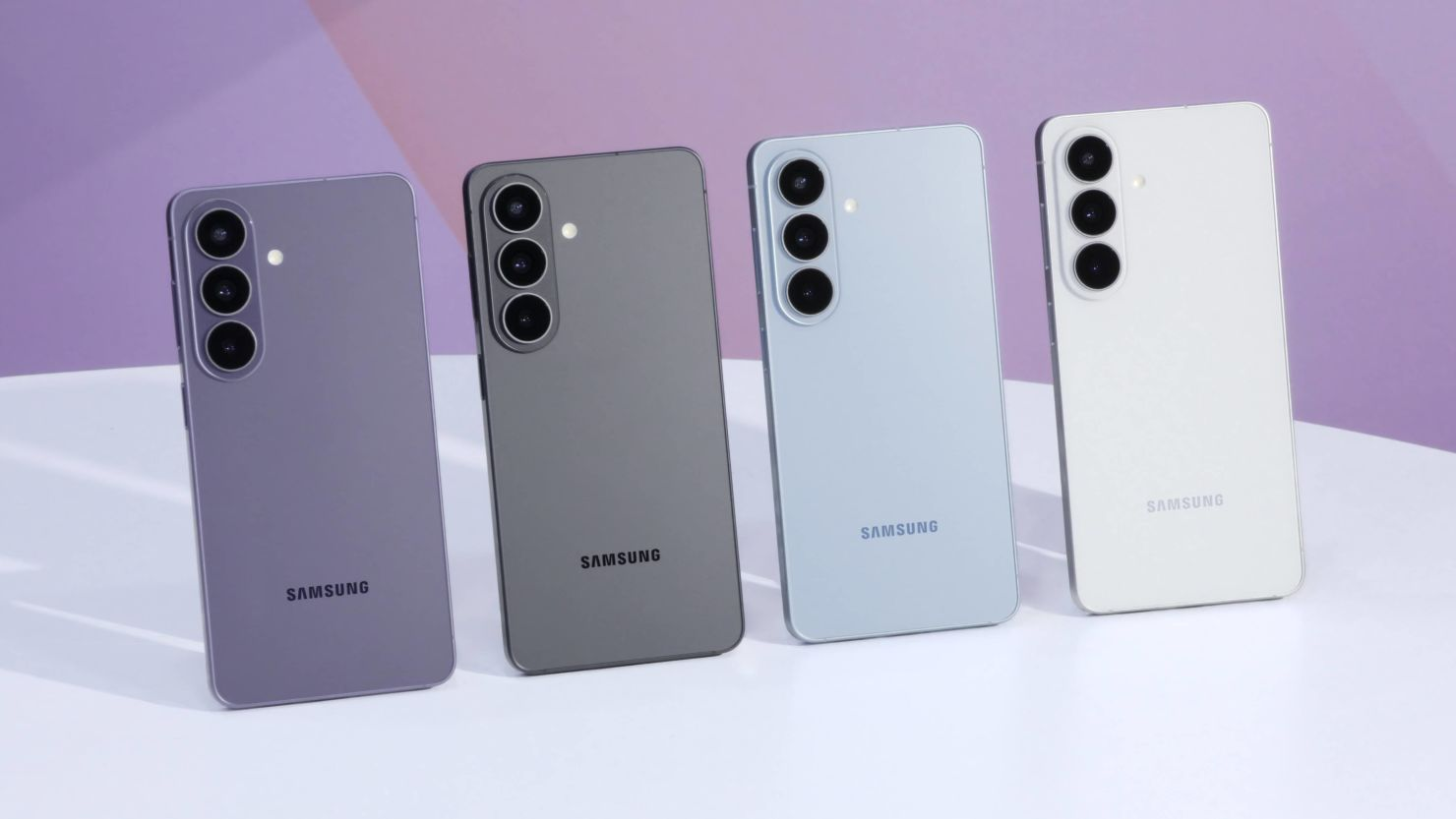
Samsung has raised base prices across the Galaxy S26 lineup compared to the S25 series. However, the company paired these increases with doubled base storage to strengthen the value proposition.
The shift suggests a deliberate repositioning strategy. By raising entry prices, Samsung creates space for a future Fan Edition model to serve as a lower-cost flagship alternative.
Updated Pricing Structure
- Galaxy S26: $900 with 256GB, up from $799 with 128GB
- Galaxy S26+: $1,100 with 256GB, up from $1,000
- Galaxy S26 Ultra: $1,300, similar pricing but upgraded internals and design
Although the S26 base model reflects roughly a 13 percent price increase, the doubled storage reduces the effective cost per gigabyte. This aligns with broader industry trends where manufacturers offset rising component costs through bundled value improvements.
Snapdragon 8 Elite Gen 5 for Galaxy: AI-Focused Performance
All models feature the Snapdragon 8 Elite Gen 5 for Galaxy, a custom-tuned variant optimized for Samsung devices.
The standout enhancement lies in its upgraded Neural Processing Unit. The NPU handles AI tasks such as image generation, real-time voice transcription and contextual processing directly on the device. This reduces reliance on cloud servers, lowers latency and improves data privacy.
In practice, users should notice faster AI responses and smoother multitasking during intensive workloads.
Galaxy S26 Ultra: Design and Cooling Refinements
The Samsung Galaxy S26 Ultra introduces subtle but meaningful physical refinements.
Samsung replaces titanium with aluminum for improved machinability and weight balance. The design becomes slightly less boxy, improving ergonomics.
A redesigned vapor chamber cooling system supports the slimmer profile while maintaining thermal efficiency during gaming and AI-heavy workloads. Vapor chambers use phase-change cooling to dissipate heat more effectively in compact spaces.
Samsung has not yet introduced built-in magnetic accessory support or silicon-carbon battery technology. Instead, the company focuses on incremental structural optimization.
Faster Charging Across the Lineup
Charging speeds increase modestly:
- Galaxy S26: 25W or higher
- Galaxy S26+: 45W
- Galaxy S26 Ultra: 60W
While still below competitors offering 100W charging, these improvements reduce top-up times through refined power management systems.
Camera Improvements: Wider Apertures on the Ultra
The S26 Ultra upgrades its main and 3x telephoto lenses with wider apertures.
- Main lens: from f/1.7 to f/1.4
- 3x telephoto: from f/3.4 to f/2.4
Lower f-numbers allow more light to reach the sensor. This improves low-light performance by increasing the signal-to-noise ratio without enlarging the sensor.
These refinements enhance night photography and stabilize video in dim environments.
Hardware Privacy Screen: A Display Innovation
One of the Ultra’s most distinctive features is a built-in hardware privacy screen.
Unlike traditional privacy protectors that use physical filters, this system dynamically limits viewing angles through display-level control. When activated, the screen appears normal when viewed head-on. From side angles, it dims to gray or black.
Users can activate it manually, link it to specific apps such as banking, or enable location-based triggers.
This feature builds on Samsung’s display innovation legacy.
Samsung’s Display Heritage
Samsung has historically experimented with bold display designs, including:
- Samsung Galaxy Note Edge, which introduced a curved edge panel
- The Galaxy Fold series, pioneering consumer foldables
- Ongoing development of multi-fold concepts
The privacy screen continues this tradition by manipulating pixel behavior for functional security rather than aesthetic novelty.
AI Feature Expansion
The S26 series expands AI integration significantly:
- AI call screening with real-time transcription
- Context-aware keyboard suggestions through Now Nudge
- LLM-enhanced Bixby integrations
- Advanced photo editing and generative image tools
- Video editing enhancements powered by on-device AI
These tools rely on the strengthened NPU architecture. However, expanded generative editing raises broader questions about digital authenticity.
Final Assessment
The Galaxy S26 series reflects an evolutionary strategy. Rather than radical redesigns, Samsung delivers targeted refinements in performance, display functionality, charging and AI integration.
The Galaxy S26 Ultra stands out with its hardware privacy screen and improved low-light optics. Meanwhile, base models benefit mainly from processor upgrades and storage increases.
Samsung appears focused on polishing strengths while carefully testing new features for long-term adoption.
MORE STORIES:
 Apply for Project Manager job
 Vietnamese Media Calls on Public to Embrace Digital Currency Movement, Spotlighting Pi Network
Job opportunities: Apply for Finance And Administration InternGIZ Rwanda
Vietnamese Media Calls on Public to Embrace Digital Currency Movement, Spotlighting Pi Network
Job opportunities: Apply for Finance And Administration InternGIZ Rwanda
 Whales Scoop Up 20 Million Pi Coins Is Pi Network the Next Bitcoin
 Top 5: Must have AI tools in 2025
 The Rwandan digital ID will be issued to citizens, refugees, and foreign residents
 AI Won’t Replace Humans; But Humans With AI Will Replace Humans Without AI
 Some Resist the Rise of AI, Citing Environmental Concerns and a Loss of Human Connection
 Bitcoin Surpasses Amazon to Become the Fifth Largest Asset by Market Cap
 Rwanda’s New Policy to Combat Online Scams
每天都在战争,希望2026和平.
看不懂但大受震撼