

Shift From Orbital Station to Lunar Surface Base
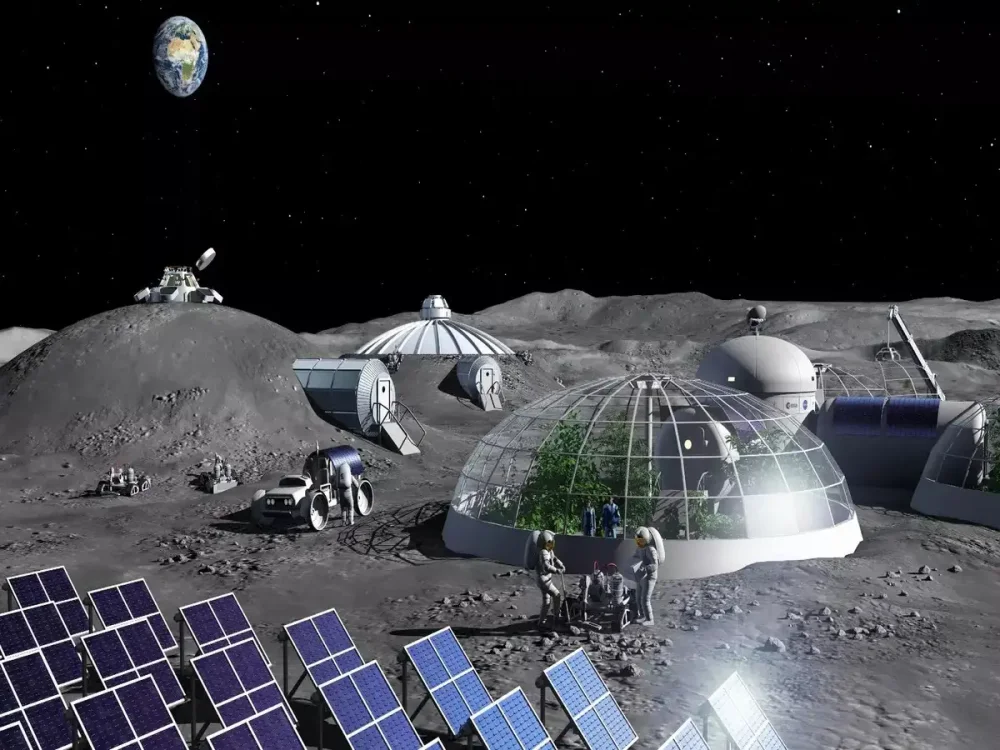
NASA has announced a major shift in its Artemis program, revealing plans to invest $20 billion in building a permanent base on the Moon. The announcement came from NASA Administrator Jared Isaacman, who outlined a new strategy aimed at advancing human space exploration.
Initially, NASA planned to construct a space station orbiting the Moon. However, the agency has now decided to redirect those resources toward establishing a base directly on the lunar surface. This move reflects a stronger focus on long term presence and deeper scientific exploration.
Artemis Program Enters New Phase
The Artemis program, launched in 2017, aims to return humans to the Moon for the first time in over 50 years since the Apollo program ended in 1972. The upcoming Artemis II mission will mark the first crewed journey near the Moon under this initiative.
With the new plan, NASA intends to go beyond short missions and establish a sustainable presence. This approach could support continuous research, resource utilization, and preparation for future missions to Mars.
Three Phase Implementation Plan
NASA will execute the lunar base project in three key phases.
The first phase will focus on developing reliable systems for landing on the Moon and conducting initial tests. This stage is expected to begin immediately.
The second phase, scheduled around 2029, will involve activating operations at the lunar base. During this period, infrastructure will expand to support scientific and technical activities.
The third phase, planned for 2032, will include sending long term crews to live and work on the Moon. This step marks a transition toward sustained human presence beyond Earth.
Global Competition and Partnerships
The decision comes as the United States seeks to accelerate its space efforts amid growing competition, particularly from China, which aims to land astronauts on the Moon by 2030.
At the same time, international partners such as Japan, Canada, and the European Space Agency face uncertainty regarding their roles in the updated plan. NASA has expressed interest in integrating their technologies into the new lunar base project.
Pressure on Private Space Companies
NASA is also increasing pressure on private contractors, including SpaceX and Blue Origin, to speed up development timelines.
SpaceX, selected in 2021 to build the first lunar landing system, has already experienced delays of about two years. These delays highlight the technical challenges involved in returning humans to the Moon.
Expanding Vision Beyond the Moon
Beyond lunar exploration, NASA continues to pursue ambitious plans for Mars. The agency is developing a nuclear powered spacecraft known as Space Reactor 1 Freedom, which could launch before 2028.
This spacecraft aims to deploy aerial vehicles on Mars to conduct advanced research, marking another step toward long term interplanetary exploration.
Implications and Future Outlook
NASA’s decision to build a lunar base signals a shift toward more ambitious and permanent space missions. The project could unlock new scientific discoveries, support future Mars missions, and strengthen leadership in space exploration.
However, the initiative also carries risks, including high costs, technical challenges, and coordination issues with global partners. Its success will depend on efficient execution, innovation, and strong collaboration between public and private sectors.
MORE STORIES:
 North Korea Unveils Hwasong20, Its Most Powerful Missile Yet
 Hotel Cleanliness Expert Four Points By Sheraton Kigali
 Fred Gisa Rwigema: A Hero’s Sacrifice for Rwanda’s Peace
 Opportunities for S6 and university graduate at DSE
Job opportunities at AB Bank Rwanda Plc
Opportunities for S6 and university graduate at DSE
Job opportunities at AB Bank Rwanda Plc
 Pi Wallet: Beyond Storage The Cornerstone of Meritocracy and Shield of GCV Stability
 Russia Targets WhatsApp in Growing Battle With Foreign Tech Giants
 The Myth of “Hard Work Pays”: Why Effort Alone Isn’t Enough
 Security Alert: Google Subpoena Scam Targets Users with Sophisticated Phishing Tactics
 African SMEs: Pact for Economic Growth Ahead
Aw, this was an exceptionally good post. Spending some time and actual effort to produce a superb
article… but what can I say… I procrastinate a lot and never
seem to get nearly anything done.
Sinceramente, últimamente me he dado cuenta de que el sector de los títulos de apuestas ha cambiado un montón. Me parece curiosamente que la gráfica de
un casino online en la actualidad resulta mucho más realista que hace unos
años, sobre todo cuando nos referimos a la sección de casino en vivo donde el
trato con el personal le añade un aire especial.
Me he pasado mirando cierta evaluación casino buscando localizar casinos de confianza y de ese modo testear juegos de casino puesto que a menudo parece clave revisar los métodos de pago previo de meter nuestro presupuesto.
En lo personal, suelo elegir los slots que brindan una
varianza media debido a que hacen que sesiones más largas
evitando gastar el saldo tan rápido. Aun así, me pregunto si realmente las nuevas webs como capospin están superando los bonos de apuesta los cuales muchas veces
se vuelven un poco difíciles de cobrar. Alguna recomendación sobre qué opinan de
esto? ¿Valen la pena los nuevos estrenos o conviene quedarse en los clásicos?
Ojalá escuchar lo que piensan así poder conocer un poco entre todos.
Wenn ich so zurückblicke, dass die Auswahl an Slots inzwischen wahnsinnig
gewaltig geworden ist. Damals war alles wesentlich
simpler, heute hingegen kommt man leicht aus
dem Konzept. Was mir besonders bewusst wurde: Die Ladezeiten auf einem spinmama casino erfahrungen sind meistens viel flüssiger als auf den bekannten Seiten. Ein zweites Thema bleiben meist die Umsatzregeln, denn
man sollte verdammt aufpassen, andernfalls bekommt man bei der Auszahlen Probleme.
Zudem habe ich das Gefühl, dass die Hilfe über das Vertrauen den Ausschlag gibt.
Was meint ihr dazu? Achtet ihr eher auf die Höhe des Bonus oder ist die Lizenz bei eurer Wahl wichtiger?
Wäre wirklich mal auf diverse Kommentare wartend! https://body-positivity.org/groups/spinmama-casino-review-2026-seriositat-sowie-app-test/
Meiner Meinung nach ist jenes Thema beim Zocken schon faszinierend .
Oft meint jeder , dass einfaches Zufall den Ausschlag gibt , aber die Herangehensweise erzeugt häufig den entscheidenden Unterschied .
Ich habe beobachtet , weshalb etliche Leute viel zu schnell handeln , falls es mal nicht
wie gewünscht läuft . Deshalb lohnt es sich total
, Online-Casino Bewertung genau
zu prüfen , damit man einen klaren Überblick wahren . Welche Sache meinerseits ebenfalls
klar geworden ist : Die Varianz ist manchmal relevanter als der Bonus .
Zusätzlich , dass Ruhe für das Spielen den Faktor Freude auf Dauer erhöht .
Womit kontrolliert du eigentlich feste Limits ? Glaubt ihr ,
dass spezielle Momente eine bessere Gewinnwahrscheinlichkeit
steuern oder bleibt alles nur Mythos ? Lasst gerne eure Erfahrungen unten .
Hi there, I found your blog by means of Google while searching for a comparable matter, your web site came up, it looks good.
I’ve bookmarked it in my google bookmarks.
Hello there, just become alert to your blog via Google, and found that it’s truly informative.
I’m gonna watch out for brussels. I’ll be grateful in the event you continue this
in future. Lots of folks might be benefited from your writing.
Cheers!
Write more, thats all I have to say. Literally, it
seems as though you relied on the video to make
your point. You obviously know what youre talking about, why waste your intelligence on just posting
videos to your blog when you could be giving us something informative to read?
If you are going for most excellent contents like myself, only pay a
quick visit this site everyday as it gives quality contents, thanks
Ich finde es faszinierend, dass sich die Welt der Online-Casinos in letzter Zeit massiv weiterentwickelt.
In der Vergangenheit drehte sich alles nur um simple Spielautomaten, doch
heutzutage verlangen die meisten von uns ein echtes Erlebnis, vor allem in Sachen Geschwindigkeit sowie Usability geht.
Ein wirklich entscheidender Aspekt bleibt fuer meine Wenigkeit der
vegashero ch, weil niemand Lust aufbringt,
ewig mit komplizierten Anmeldeprozessen zu quaelen. Abgesehen davon faellt mir auf, dass professionelle Betreiber immer mehr auf mobiles Spielen setzen, was absolut Sinn ergibt.
Dennoch stellt sich mir die Frage, inwiefern all diese Promotionen wirklich so
transparent bleiben, wie sie meistens beworben wird. Gelegentlich beschleicht mich der Verdacht,
dass manche Umsatzbedingungen nahezu zu hoch angesetzt sind.
Wie ist eure Sichtweise zu diesem Thema? Achtet ihr eigentlich primär
auf die vorhandene Lizenz beziehungsweise werdet ihr vorrangig durch einem hohen Startguthaben ueberzeugen? Ich bin sehr auf eure
individuellen Meinungen gespannt, da jeder von uns
doch ganz eigene Favoriten besitzt.
We stumbled over here different web page and thought I
might as well check things out. I like what I see so now i’m following you.
Look forward to going over your web page again.
Great work! That is the type of info that should be shared around the
internet. Shame on the seek engines for now not positioning this
post higher! Come on over and discuss with my website .
Thanks =)
In fact when someone doesn’t know then its up to other people that they will assist,
so here it takes place.
Salut à tous, on voit bien que l’univers du gambling se transforme super
folle ces derniers temps. Il y a peu, en échangeaspinogambino casino avis“>spinogambino avis pour bien analyser pourquoi booster vos sessions de gains. C’est un aspect super important puisque beaucoup trop de parieurs jouent au pif stratégie. Selon moi, le plus dur c’est de conserver son sang-froid lorsque on fait quelques pertes. Dites-moi, vous suivez une règle stricte pour piloter votre bankroll au quotidien ? Il me tarde de lire vos avis et vos expériences concernant le casino spinogambino ainsi que d’éventuelles pépites du même style. Quelle est votre opinion à ce sujet ?
What’s up i am kavin, its my first time to commenting anyplace,
when i read this paragraph i thought i could also create comment due to
this brilliant piece of writing.
If you desire to grow your knowledge just keep visiting this web site and
be updated with the most recent news posted here.
Excellent blog here! Also your site loads up fast! What web host are you using?
Can I get your affiliate link to your host?
I wish my website loaded up as quickly as yours lol
Eigenlijk constateer ik hoe het online gokwereld in Nederland
behoorlijk verandert, en het blijft af en toe vrij moeilijk te door het bomen het juiste keuze
te ontdekken. Hetgeen me echt intrigeert, is dat het vibe bij een platform
als blazing wildz casino anno nu doorgaans aanzienlijk
vloeiender in elkaar steekt vergeleken met het aantal
seizoenen geleden. Een ander observatie vormt het cruciale functie betreffende snelle transacties, omdat
niemand zit te wachten te dagenlang te verlangen naar behaalde gelden. Verder
merk ik persoonlijk hoe de assortiment inzake live dealer games steeds extra de vibe van een echte speelhal begint te evenaren, hetgeen het spanning
echt een aardig hoger ligt. Hebben ervaren gokkers tevens hetzelfde gevoel dat de betrouwbaarheid
van nieuwe sites momenteel beduidend transparanter is dan in het verleden? Bovendien, op
welke wijze oordelen de anderen precies naar het
gebruik van stops teneinde het verantwoord te continueren onder het inzetten?
Thank you for the good writeup. It in fact was a amusement account it.
Look advanced to more added agreeable from you! However, how can we communicate?
https://8kbetvn.pro
First off I would like to say awesome blog! I had a quick question that
I’d like to ask if you do not mind. I was curious to know how you center yourself and clear your thoughts prior to writing.
I’ve had difficulty clearing my thoughts in getting my thoughts out there.
I truly do take pleasure in writing but it just seems
like the first 10 to 15 minutes are usually wasted simply just trying to figure out how to begin.
Any ideas or tips? Many thanks!
Hi! I just wanted to ask if you ever have any trouble with hackers?
My last blog (wordpress) was hacked and I ended
up losing a few months of hard work due to no back up.
Do you have any methods to stop hackers?
There is definately a lot to learn about this topic.
I love all the points you’ve made.
Hello friends, fastidious paragraph and good arguments commented here, I am
genuinely enjoying by these.
If some one desires to be updated with hottest technologies afterward he must
be pay a visit this website and be up to date everyday.
Wow, this paragraph is pleasant, my younger sister is
analyzing these things, therefore I am going to tell her.