


A New Technological Era
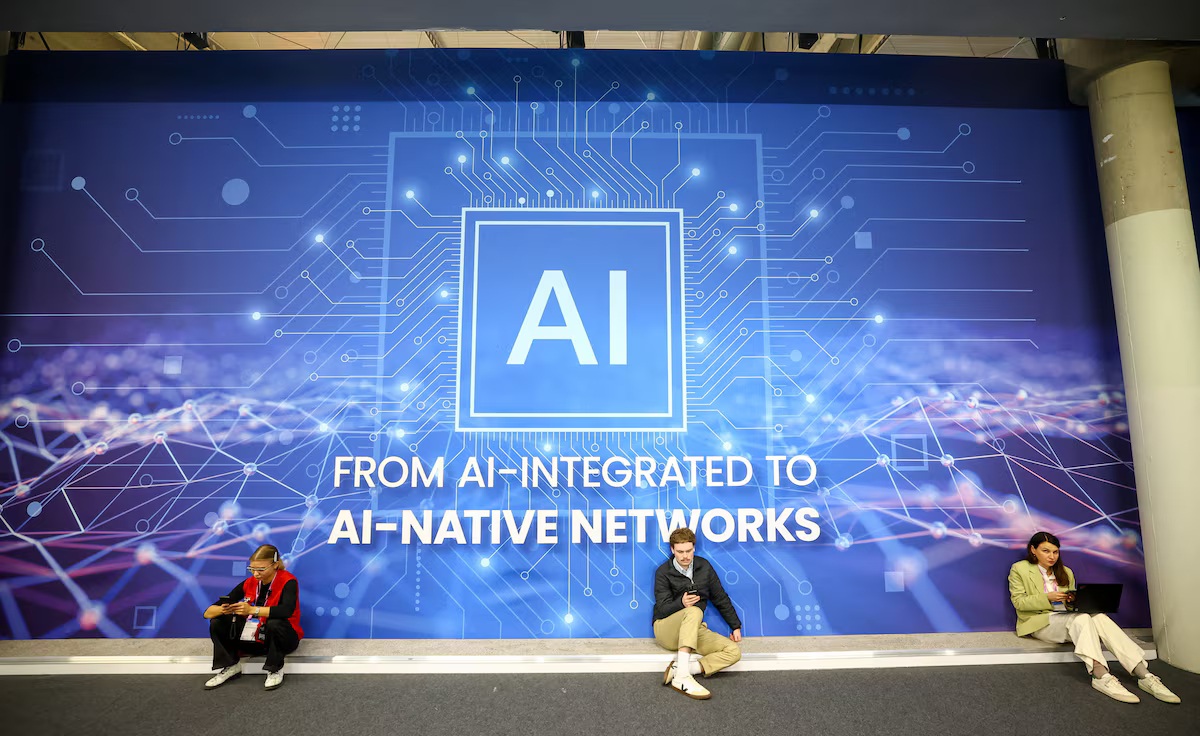
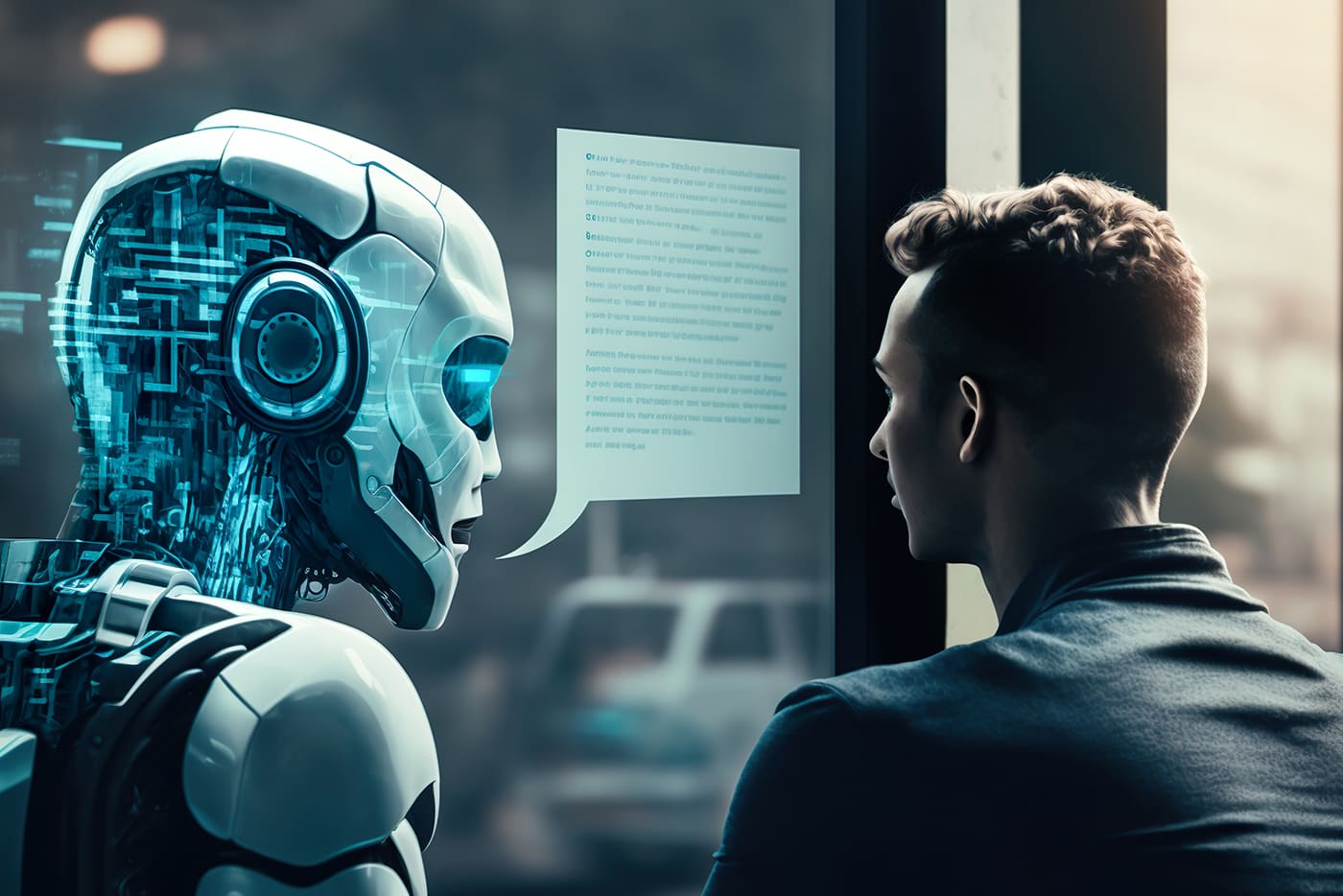
Not long ago, the idea of machines that could think, learn, and make decisions like humans existed only in science fiction. Today, that idea has become a reality. Artificial Intelligence, often called AI, is rapidly transforming the world in ways that were unimaginable just a few decades ago. From smartphones that recognize our voices to algorithms that recommend what we watch, buy, and read, AI technology has quietly become part of everyday life.
Across industries, governments, and societies, artificial intelligence is reshaping how people work, communicate, and solve problems. Hospitals are using AI to detect diseases earlier than doctors could before. Businesses rely on intelligent systems to analyze large amounts of data and predict market trends. Even agriculture is benefiting from AI tools that help farmers improve productivity and manage resources more efficiently.
However, as smart machines continue to evolve, an important question emerges: how will artificial intelligence shape the future of humanity? While AI promises innovation and economic growth, it also raises serious concerns about privacy, employment, and ethics. Understanding this powerful technology is therefore essential for anyone who wants to understand the future.
What Is Artificial Intelligence?
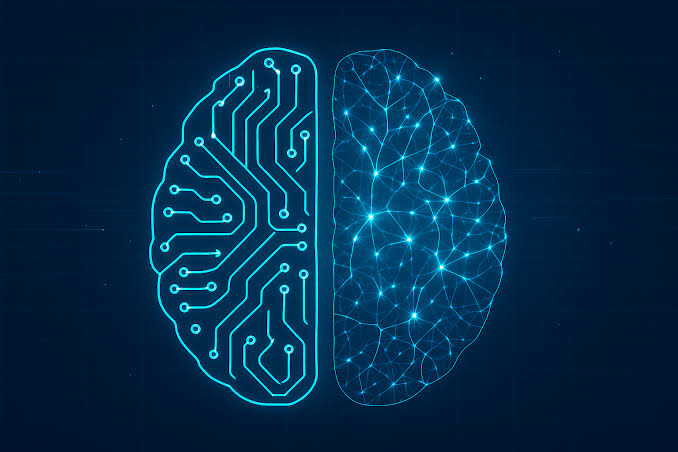
Artificial Intelligence refers to computer systems designed to perform tasks that normally require human intelligence. These tasks include learning from experience, recognizing patterns, understanding language, solving problems, and making decisions.
Unlike traditional computer programs that follow fixed instructions, AI systems can analyze data, learn from it, and improve their performance over time. This ability to learn and adapt is what makes artificial intelligence so powerful.
There are several major branches of AI technology:
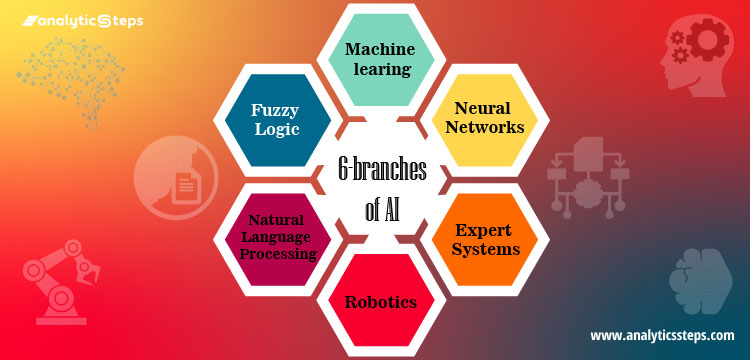
Machine Learning:
Machine learning allows computers to learn from data without being explicitly programmed. For example, streaming platforms use machine learning to recommend movies based on a user’s viewing history.
Natural Language Processing (NLP):
This technology enables machines to understand and respond to human language. Voice assistants, translation apps, and chatbots rely heavily on NLP.
Computer Vision:
Computer vision allows machines to interpret visual information such as images and videos. It is widely used in facial recognition, medical imaging, and autonomous vehicles.
Robotics:
Robotics combines AI with mechanical engineering to create machines that can perform physical tasks, sometimes even replacing human labor.
Together, these technologies form the foundation of the modern AI revolution.
How AI Is Transforming Industries
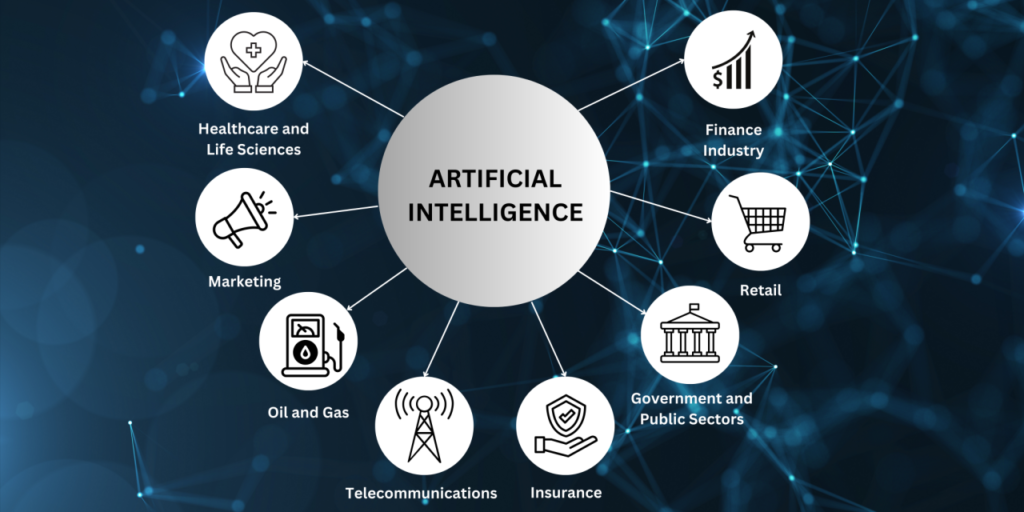
Artificial intelligence is not limited to one sector. It is transforming almost every industry in the global economy.
Healthcare
In healthcare, AI is helping doctors diagnose diseases faster and more accurately. Advanced algorithms can analyze medical images such as X-rays, MRIs, and CT scans to detect conditions like cancer at an early stage. AI-powered systems also assist in drug discovery by analyzing millions of chemical compounds and predicting which ones could become effective medicines.
Moreover, hospitals are using AI tools to predict patient risks, optimize treatment plans, and improve hospital management.
Finance
The financial industry has embraced AI technology to detect fraud, manage investments, and analyze financial markets. Banks use AI algorithms to monitor suspicious transactions and prevent cybercrime. At the same time, automated trading systems analyze global market data in real time and make investment decisions within seconds.
AI-powered chatbots also provide customer support in banking services, reducing waiting times and improving efficiency.
Education
Artificial intelligence is revolutionizing education by making learning more personalized. AI-powered learning platforms can analyze a student’s strengths and weaknesses, then adapt lessons to meet individual needs. This allows students to learn at their own pace and receive targeted support.
Teachers also benefit from AI tools that automate administrative tasks such as grading and lesson planning, giving them more time to focus on teaching.
Agriculture
In agriculture, AI helps farmers increase productivity and reduce waste. Smart sensors and AI-powered drones can monitor crops, analyze soil conditions, and detect plant diseases. These technologies enable farmers to make better decisions about irrigation, fertilizers, and harvesting.
As global populations grow, AI-driven agriculture could play a critical role in ensuring food security.
Artificial Intelligence and the Future of Work
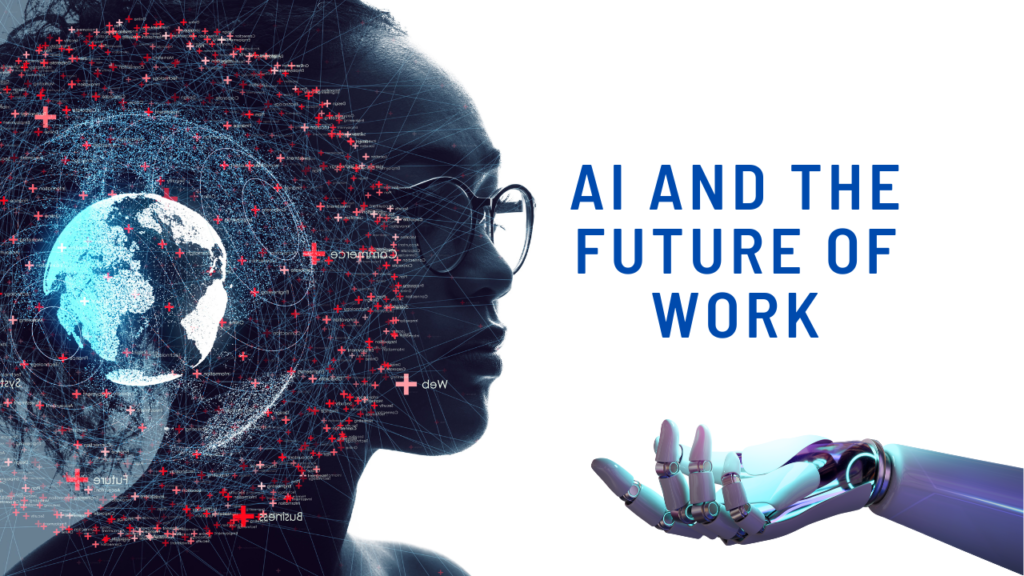
One of the most widely debated issues surrounding artificial intelligence is its impact on employment. Many experts believe that AI will significantly transform the global job market.
On one hand, automation powered by AI could replace certain routine jobs, particularly in manufacturing, data entry, and transportation. Machines can perform repetitive tasks faster, more accurately, and at lower cost than humans.
On the other hand, AI is also expected to create entirely new industries and job opportunities. Roles such as AI engineers, data scientists, machine learning specialists, and cybersecurity analysts are already in high demand.
In addition, many existing professions are being enhanced by AI tools rather than replaced. Doctors, lawyers, journalists, and engineers are increasingly using AI systems to analyze information and make better decisions.
The future of work will likely require new skills. Critical thinking, creativity, emotional intelligence, and digital literacy will become even more valuable as machines take over routine tasks.
The Ethical Challenges of Artificial Intelligence
Despite its many advantages, artificial intelligence raises important ethical questions that society must address.
Privacy Concerns
AI systems often rely on massive amounts of personal data. Social media platforms, online services, and smart devices constantly collect information about users. If this data is misused or poorly protected, it could threaten individual privacy.
Bias and Fairness
AI algorithms are trained using data. If the data contains biases, the AI system may produce unfair or discriminatory outcomes. For example, biased algorithms could affect hiring decisions, loan approvals, or criminal justice systems.
Autonomous Decision-Making
As AI systems become more advanced, they may make decisions with significant consequences. For instance, self-driving cars must decide how to react in dangerous situations. Determining how machines should make ethical decisions remains a complex challenge.
Governments, researchers, and technology companies are therefore working to develop ethical guidelines and regulations to ensure responsible AI development.
Artificial Intelligence in Developing Regions
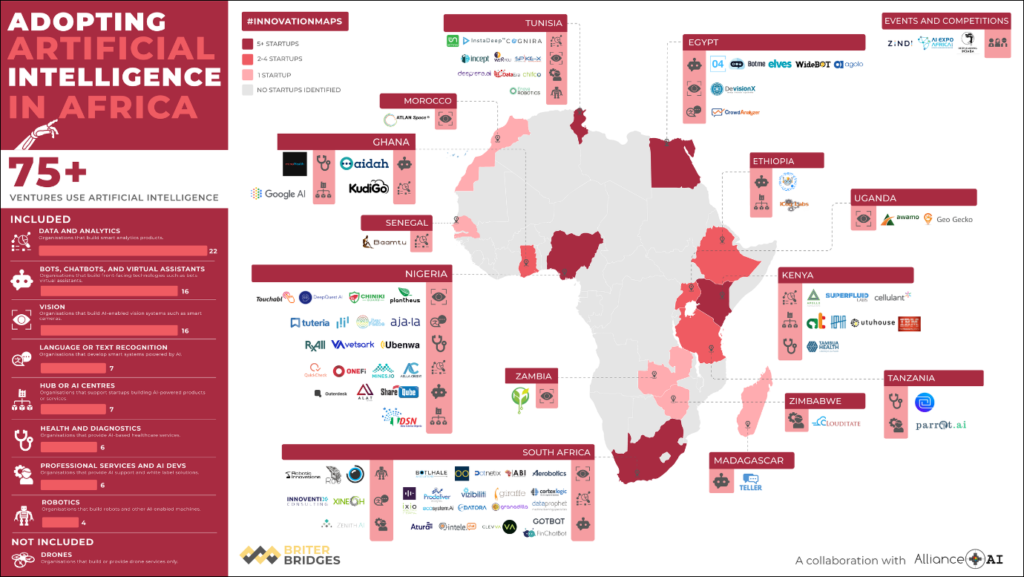
Artificial intelligence is not only transforming advanced economies; it also has the potential to reshape developing regions around the world.
In many African countries, AI technology is being used to improve healthcare access, enhance financial services, and support agricultural innovation. Mobile-based AI applications are helping farmers receive weather predictions, market prices, and farming advice.
AI-powered mobile banking systems are also expanding financial inclusion by allowing people without traditional bank accounts to access digital financial services.For young people in developing regions, learning AI-related skills could open doors to global opportunities in technology and innovation.
The Future of Smart Machines

Looking ahead, artificial intelligence will likely become even more integrated into everyday life. Experts predict that AI systems will become more capable, more autonomous, and more widely used across society.
Smart cities may rely on AI to manage traffic, energy consumption, and public safety. Autonomous vehicles could transform transportation. AI-powered scientific research might accelerate breakthroughs in medicine, climate science, and space exploration.
However, the future of AI will depend on how humans choose to guide its development. Responsible innovation, strong regulations, and ethical awareness will be essential to ensure that AI benefits society as a whole.
Shaping the AI-Powered Future
Artificial intelligence is no longer a distant concept or a futuristic dream. It is already shaping the world in profound ways, influencing industries, economies, and everyday life.
While AI offers remarkable opportunities for innovation and progress, it also presents challenges that must be carefully managed. Balancing technological advancement with ethical responsibility will be one of the defining tasks of the 21st century.
For individuals, businesses, and governments alike, understanding artificial intelligence is becoming increasingly important. As smart machines continue to evolve, the choices we make today will determine how this powerful technology shapes the future of our world.
Related posts:
 Hidden Workers Behind AI: The Data Labelers’ World
 Struggling Doesn’t Make You Smarter. Using AI Does
 How to Protect Your Brain in the Age of AI
 Nvidia Unveils AI Technology to Power Fully Autonomous Vehicles
 Data Curation for AIOps: The Key to Smarter Network Operations
 AI Capabilities and Limits: Generative AI, NLP, AGI Explained
 SAP Report Warns Africa Must Accelerate AI Skills Development
 The Three Futures of AI: Oligarchy, Conflict or Global Prosperity
 Arda Startup Targets Manufacturing With Advanced AI Platforms
 Perplexity AI Offers $34.5B to Buy Google’s Chrome Browser
 How Google aims to teach AI Africa’s 2,000 languages
 Anthropic sues pentagon to challenge AI security blacklist
 ChatGPT’s Future: A New ‘Super Assistant’
 “We begun to see glimpses of our AI systems improving themselves”-Mark Zuckerberg
 AI Tutors Reshape the Future of Education
 Rwandan government employees using AI to complete training tests
 Clinicians Taking Bigger Role in Evaluating AI for Healthcare
 How AI Tools Work and How to Use Them Effectively
 Modern technology to secure privacy of users
 Africa and the AI Race: Analyzing Competitiveness