


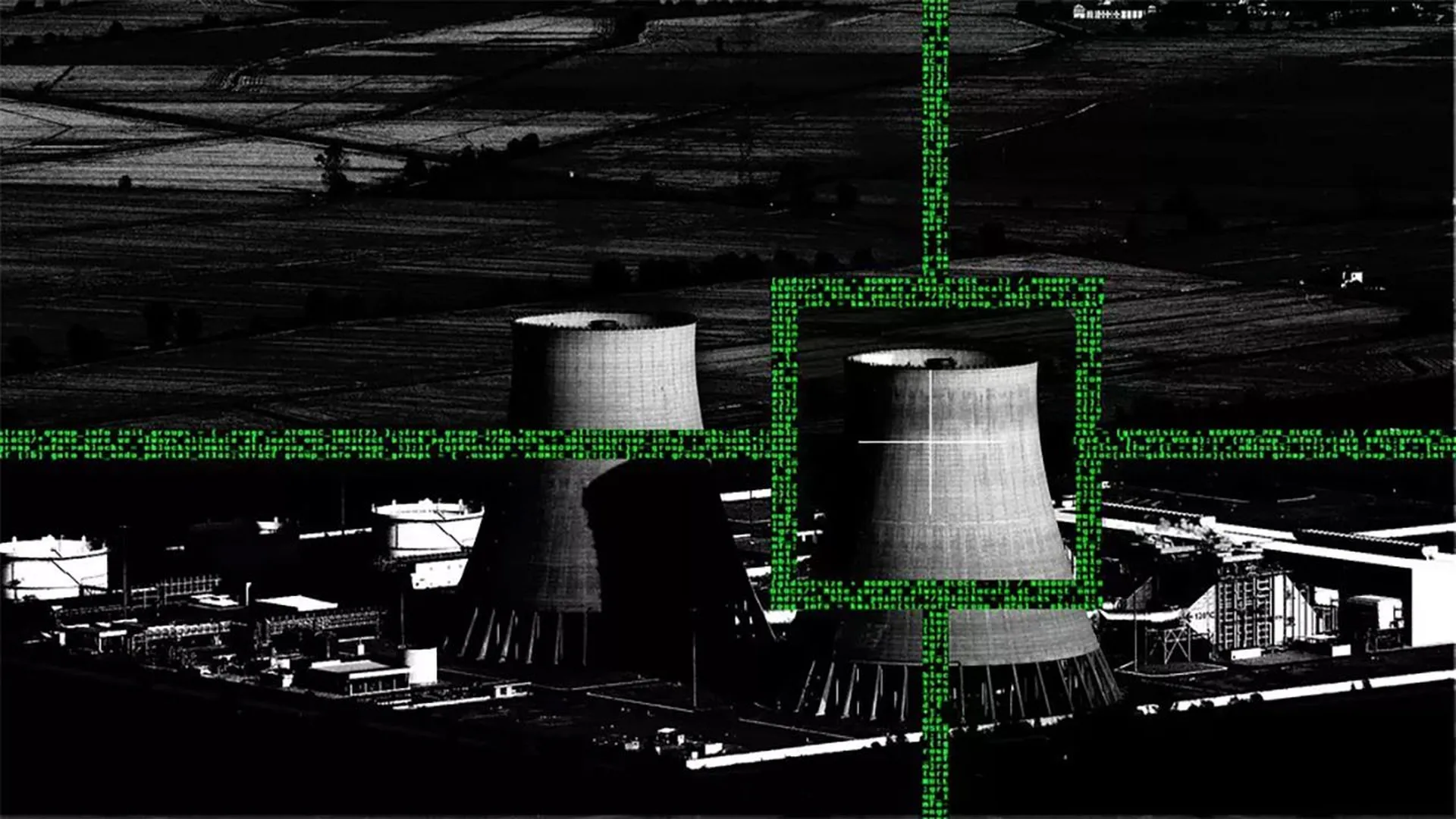
Microsoft and Nvidia have announced a strategic collaboration aimed at accelerating the development of nuclear energy infrastructure using artificial intelligence. The initiative reflects a growing effort by the technology sector to address the rising energy demands driven by AI systems.
The announcement came during the CERAWeek conference, where Microsoft President Brad Smith highlighted the role of AI in solving long standing challenges in nuclear power development. These challenges include complex regulatory processes, high construction costs, and slow project timelines.
The partnership focuses on delivering end to end AI tools designed to simplify nuclear plant development. These tools aim to streamline permitting processes, improve plant design, and enhance operational efficiency. By reducing reliance on highly customized engineering approaches, the initiative promotes standardized and repeatable systems that maintain safety and regulatory compliance.
AI will play a central role throughout the lifecycle of nuclear projects. For example, advanced algorithms can analyze large volumes of documentation to identify inconsistencies and ensure compliance with regulations. In addition, digital twin technology, which creates virtual replicas of physical systems, allows engineers to simulate and test plant designs before construction begins. This approach reduces risks and improves decision making early in the process.
Generative AI also offers new capabilities in regulatory alignment. It can compare new project applications with previously approved permits, helping companies navigate complex approval systems more efficiently. At the operational level, AI powered sensors and monitoring systems can detect anomalies in real time, improving plant safety and supporting stable electricity supply.
Early results from the industry suggest strong potential. Microsoft reported that Aalo Atomics reduced its permitting timeline by 92 percent using AI tools, saving an estimated 80 million dollars annually. Such gains highlight how digital transformation can reshape energy infrastructure development.
This collaboration comes at a time when AI technologies require increasing amounts of energy to power data centers and computing systems. Nuclear energy offers a reliable and low carbon solution, making it an attractive option for tech companies seeking sustainable energy sources.
However, the initiative also raises important considerations. The use of AI in critical infrastructure introduces risks related to system reliability, cybersecurity, and regulatory oversight. Ensuring transparency, safety, and accountability will be essential as these technologies scale.
Looking ahead, the partnership between Microsoft and Nvidia could influence how the energy sector adopts AI. If successful, it may accelerate the deployment of nuclear power plants globally and support the growing demand for clean and stable energy.
This development signals a broader shift where technology and energy industries converge to address global challenges. As AI continues to evolve, collaborations like this may define the future of both digital infrastructure and energy production.
Related posts:
 SpaceX and xAI Join Forces in Elon Musk’s Plan to Build AI Data Centers in Space
 Rwanda Coding Academy (RCA) to Expand Across the Country to Boost Rwanda’s Tech Ambitions
 You must have these 5 apps in your phone 2025
 AI Mammography Improves Breast Cancer Detection While Reducing Radiologist Workload
 National Bank Reports Drop in Digital Payment Fraud Cases
 WhatsApp Plans Advertising Rollout with Optional Paid Subscription
 Spotify Invests $10 Billion to Boost Artist and Podcast Monetization
 Scientists Discover Massive Mysterious Rock Beneath the Bermuda Triangle
 Tesla’s Game-Changing Pi Phone Is Almost Here — Everything CEOs & Innovators Should Know
 China’s 16-Ton Jiutian Drone Completes Historic First Flight
 Taiwan suspends RedNote for one year
 Solar Storms Could Disrupt Satellite and GPS Operations
 Apple Acquires Israeli AI Audio Startup Q.ai
 Understanding How a Computer Really Works
 Nvidia Invests $1B in Nokia to Boost AI-Driven 6G
 SpaceX Provides Free Starlink Access During Natural Disasters
 Google Launches Live Translation Feature for Real-Time Multilingual Conversations
 TikTok US entity deal finalized to avoid ban
 Taking Down “Quackers”: Inside a Global Dark Web Investigation
 iPhone 17 Pro: What You Need to Know about iPhone 17 Pro