


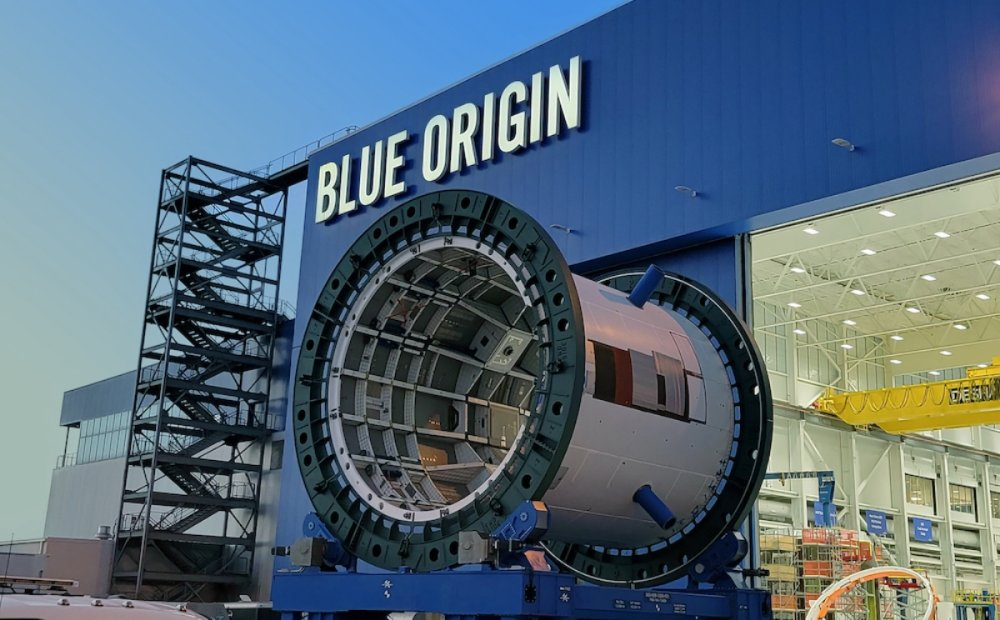
Strategic Shift in Artemis Program
NASA has announced a major shift in its Artemis program, unveiling plans to invest $20 billion in building a permanent base on the Moon. The announcement came from NASA Administrator Jared Isaacman, who emphasized the agency’s renewed ambition to match the scale and impact of the historic Apollo program, which ended in 1972.
Originally launched in 2017, the Artemis program aims to return humans to the Moon after more than 50 years. The upcoming Artemis II mission will mark the first crewed journey near the Moon in this new era of space exploration.
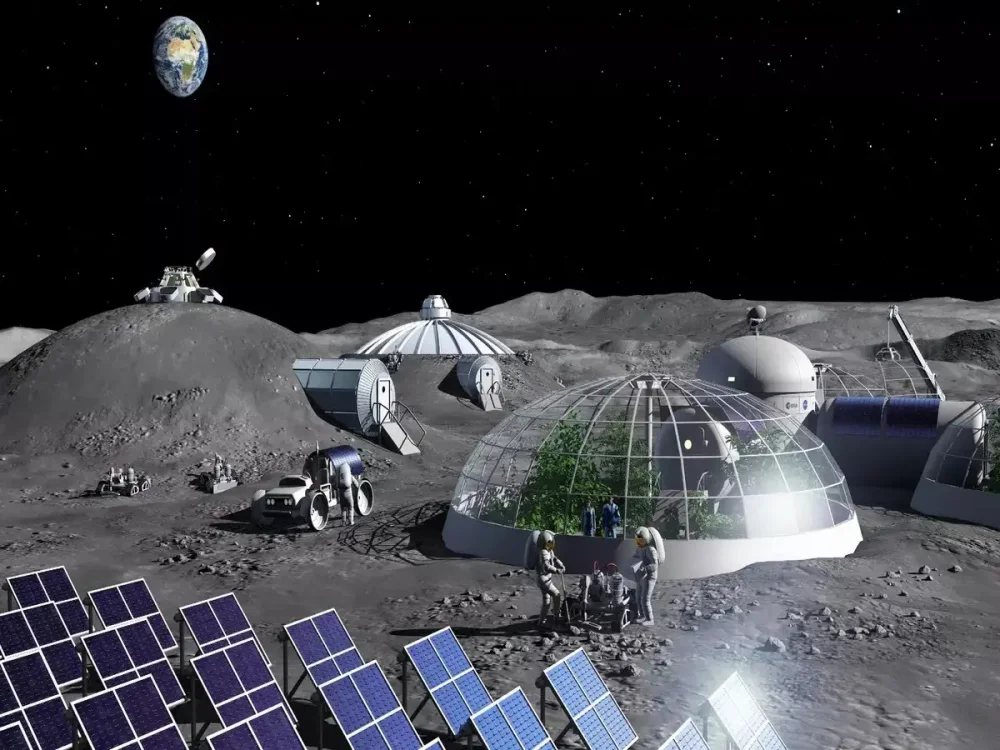
From Lunar Orbit to Surface Base
NASA initially planned to build a space station orbiting the Moon. However, the agency has now redirected its strategy toward constructing a permanent lunar base. This shift reflects a growing focus on long-term human presence and deeper scientific exploration.
The new plan will unfold in three phases:
- Phase One: Develop reliable landing systems and begin surface testing
- Phase Two (2029): Start operations at the lunar base
- Phase Three (2032): Deploy long-term human crews to live and work on the Moon
This phased approach aims to create a sustainable infrastructure that supports continuous research and future missions.
Global Competition and Strategic Pressure
The decision comes as the United States faces increasing competition from China, which plans to send astronauts to the Moon by 2030. This geopolitical context has added urgency to NASA’s timeline and investment strategy.
At the same time, international partners such as Japan, Canada, and the European Space Agency are reassessing their roles in light of the updated plan. While uncertainty remains, NASA aims to integrate their technologies into the lunar base project.
Role of Private Space Companies
NASA continues to rely on private sector partners to deliver key components of the mission. Companies like SpaceX and Blue Origin play critical roles in developing lunar landing systems and related technologies.
However, progress has not been without challenges. SpaceX, selected in 2021 to build the first lunar lander, has experienced delays of about two years. NASA has increased pressure on its contractors to accelerate development and meet revised timelines.
Expanding Ambitions Beyond the Moon
In addition to the lunar base, NASA revealed plans for a nuclear-powered spacecraft called Space Reactor 1 Freedom. This mission aims to reach Mars before the end of 2028.
The spacecraft could deploy advanced aerial vehicles, including helicopters, to conduct deeper exploration of the Martian surface. This initiative highlights NASA’s broader vision of expanding human and robotic presence across the solar system.
Implications, Risks, and Opportunities
NASA’s $20 billion investment signals a strong commitment to long-term space infrastructure. The lunar base could unlock new opportunities in scientific research, resource utilization, and future space missions.
However, the project also carries risks. High costs, technical delays, and coordination challenges with international partners could affect timelines. In addition, reliance on private companies introduces uncertainties related to execution and accountability.
Despite these challenges, the initiative positions NASA at the forefront of the next phase of space exploration. If successful, it could reshape how humans live and work beyond Earth.
Future Outlook
The Artemis program now represents more than a return to the Moon. It marks a transition toward sustained human presence in space. As NASA accelerates its efforts, the coming decade will likely define the future of global space leadership.
Related posts:
 WhatsApp to Introduce Stronger Privacy Controls to Protect User Messages
 China Launches Advanced Satellite to Test High-Level Communications
 ByteDance Signs Deal to Prevent TikTok Ban in the United States
 Why Humans Become Slightly Shorter at Night
 Rwanda Launches Home-Based Cervical Cancer Self-Screening Program
 Anthropic Challenges Pentagon Decision to Label Company a National Security Risk
 France Fines Google and Shein Over 800 Billion Rwandan Francs for Privacy Violations
 Google Not Required to Sell Chrome or Android, U.S. Court Rules
 Airtel Africa Partners With SpaceX to Expand Satellite Internet Across Africa
 Samsung Launches Three-Panel TriFold Phone to dominate Apple and Huawei
 Meta set to acquire Chinese AI firm Manus in major artificial intelligence push
 How Programming Evolved Into AI Prompts
 Samsung to Invest $73 Billion in AI Semiconductor Development
 Samsung to Invest $73 Billion in AI Semiconductor Growth
 OpenAI Accuses DeepSeek of Using Its AI Technology
 Airbus Plans to Stop Using Google Cloud Over Data Security Concerns
 Digital platforms reshape how job seekers connect with employers
 SEO Title: Elon Musk Found Liable for Misleading Tweets in Twitter Acquisition Case
 Concerns About AI Technology That Could Surpass Human Intelligence
 Artemis III Mission to Orbit the Moon Marks Major Step in Space Exploration