





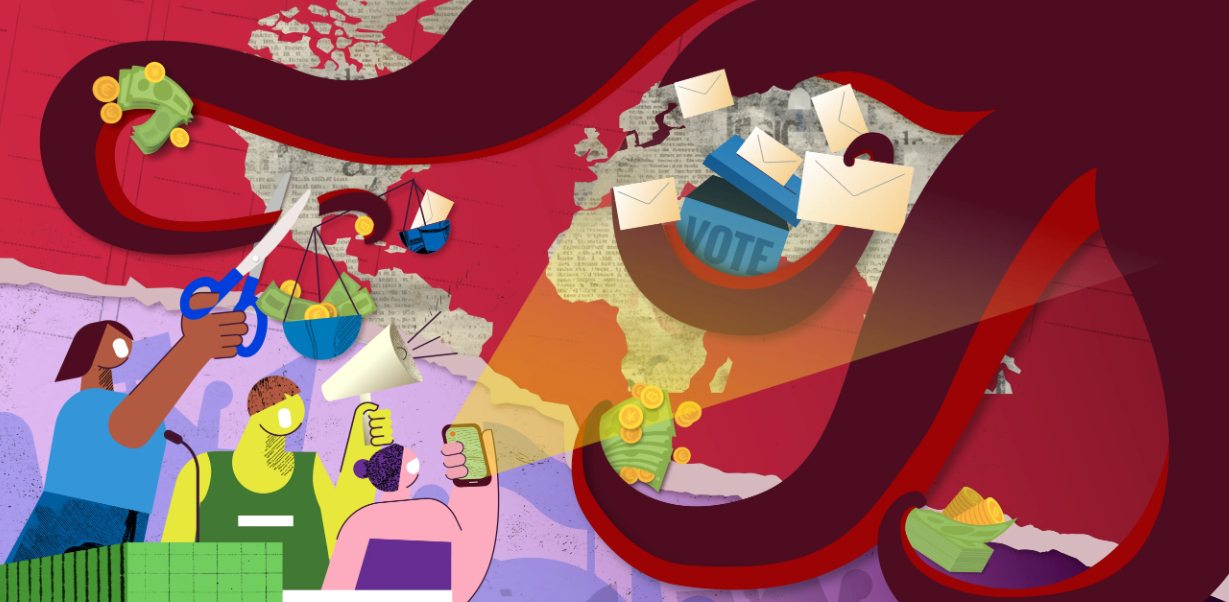
The 2025 Corruption Perceptions Index (CPI) has revealed that corruption remains a serious and widespread challenge across the world, with only limited signs of progress despite years of global anti-corruption efforts.
The index shows that while some countries have made measurable improvements, most nations are either stagnating or worsening, exposing a growing leadership gap in the fight against corruption and accountability.
Global Corruption Levels Continue to Decline
The CPI ranks 182 countries and territories based on perceived levels of public sector corruption, using a scale from 0 (highly corrupt) to 100 (very clean).
According to the 2025 report, the global average score has fallen to a record low of 42, highlighting a troubling downward trend. More than two-thirds of countries scored below 50, indicating that corruption remains deeply entrenched in most parts of the world.
Since 2012, only 31 countries have significantly reduced corruption levels. The majority have failed to take effective action, allowing corruption to persist or worsen over time.
Citizens Pay the Price for Corruption
Experts warn that the consequences of corruption extend far beyond governance failures. Corruption directly affects people’s lives through under-funded hospitals, weak public services, unbuilt flood defences, and lost opportunities for young people.
Growing frustration has triggered anti-government protests in many regions, reflecting public anger toward unaccountable leadership and demands for reform, transparency, and justice.
Anti-Corruption Leadership Gap Widens
The 2025 CPI highlights a long-term decline in political leadership committed to fighting corruption. Even countries traditionally seen as strong democracies—including the United States, the United Kingdom, and New Zealand—have experienced declining scores.
Analysts say the lack of bold and consistent leadership has weakened enforcement, lowered standards, and reduced ambition in global anti-corruption efforts.
Shrinking Civic Space Fuels Corruption
At the same time, many governments are restricting civic space, making it increasingly difficult or dangerous for citizens, civil society organizations, journalists, and activists to challenge abuses of power.
These restrictions reduce transparency and accountability, creating conditions where corruption can flourish unchecked.
The report also notes that even countries with relatively clean public sectors may still enable corruption globally by facilitating money laundering, cross-border secrecy, and illicit financial flows.
A Clear Path Forward Exists
Despite the grim findings, anti-corruption experts emphasize that progress is still possible. Research shows that corruption can be reduced through:
- Strengthening justice systems
- Enhancing oversight of public spending
- Keeping secret money out of elections
- Closing loopholes that allow illicit funds to cross borders
- Protecting media freedom, democracy, and civic space
Such measures are critical at a time of climate crisis, global instability, and political polarization, when strong institutions are needed to protect the public interest.
Call for Accountable and Ethical Leadership
The 2025 CPI concludes with a call to governments and leaders worldwide to act with integrity and responsibility, stressing that accountable leadership is essential to building trust, stability, and a better future for citizens.
As corruption continues to undermine development and democracy, the report urges leaders to move beyond rhetoric and take decisive action to restore public confidence.
Related posts:
 Gisagara: Over 36,000 Cows Distributed to Residents in Five Years
 Senators Raise Concerns Over High Cost of Animal Feed, MINAGRI Outlines Government Measures
 Rwanda Expands Its Digital Footprint
 Huye District Calls on Families to Take Responsibility in Addressing the Growing Number of Street Children
 Sovu Industrial Zone Brings New Hope to Huye Residents
 Rwanda Targets Reduction in High Cost and Shortage of Animal Feed
 Cuba Faces Jet Fuel Shortage as US Sanctions Tighten
 NYAGATARE: Poorly Planned Warehouses Raise Public Concern
 U.S. Banks Report Strong Q4 Profit Growth
 Huye: Residents Say Access Roads Left Them Landless Without Compensation
 BNR suspends Mobicash over regulatory breaches
 Elderly Women in Huye Say Poverty Exit Project Failed
 Kirehe: 90 Families Receive Cows through Rwanda’s Girinka Program
 Rwanda’s Aviation Fuel Storage Reaches 12 Million Litres