



As Valentine’s Day approaches, many people shop online, book romantic experiences, or spend more time on dating apps and social media. This surge in activity also attracts cybercriminals.
Scammers exploit emotions, urgency, and trust during this period. With artificial intelligence making fake profiles, messages, and promotional offers more convincing, spotting fraud has become harder.
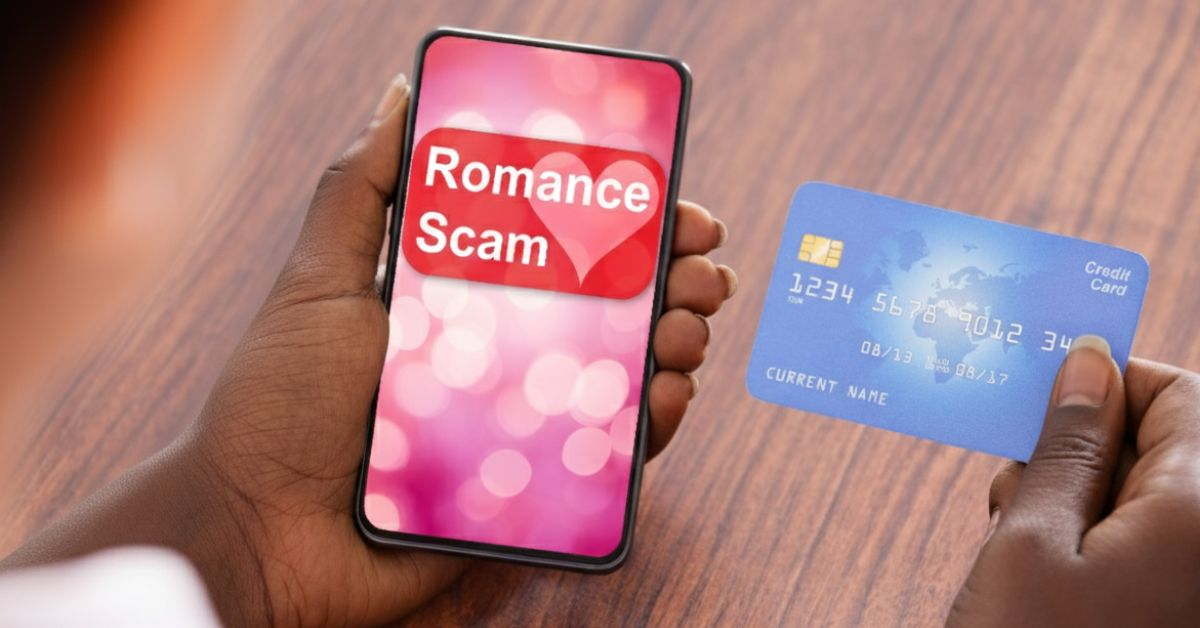
Romance scams increased by 19 percent globally in 2023, according to BioCatch. In early 2025, Meta removed more than 408,000 accounts across Africa linked to romance scams.
Here are eight digital safety tips to help you stay protected.
1. Protect your personal information
Limit what you share online. Avoid posting your home address, phone number, financial details, or travel plans on social media or dating apps.
Review your privacy settings. Allow only trusted contacts to see personal information. The less data you expose, the harder it is for scammers to target you.
2. Strengthen your account security
Use strong, unique passwords for every account. Avoid reusing passwords across platforms.
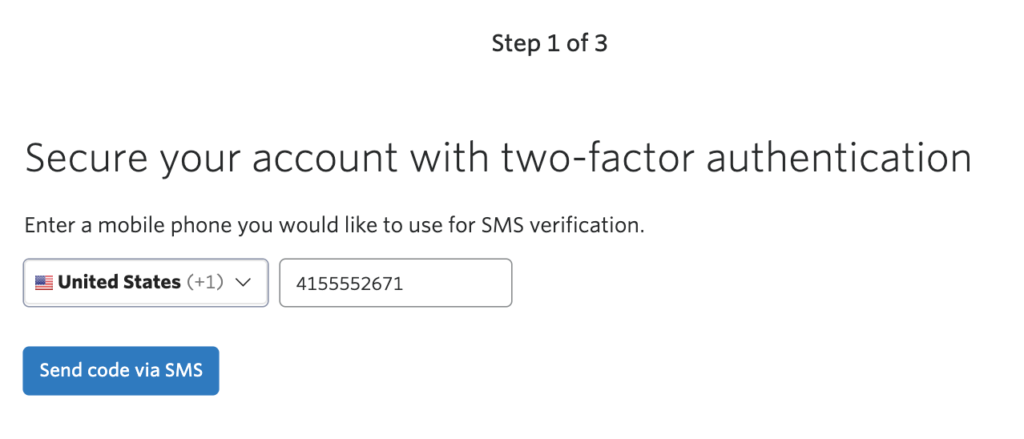
Enable multi factor authentication. This adds a second verification step, such as a code sent to your phone or biometric login.
Be cautious if you receive unexpected password reset emails or login alerts. Always verify them directly through the official website.
3. Verify deals and promotions
Scammers often promote fake Valentine’s discounts, gift cards, or giveaways.
Do not click links in suspicious emails or messages. Instead, type the retailer’s official website address directly into your browser.
Check for spelling errors in website names. Compare domain names carefully. Small differences may indicate a fake site.
4. Confirm identities before building trust
Attractive photos and polished messages do not guarantee authenticity. Scammers often use stolen or AI generated images.
Run a reverse image search on profile photos. Look for inconsistencies in stories or unusual requests for money.
Do not send funds or sensitive details to someone you have not met in person.
5. Use secure payment methods
Avoid paying through cryptocurrency or prepaid gift cards when shopping online. These methods are difficult to trace or reverse.
Use trusted payment platforms that offer buyer protection. Before completing a purchase, check independent reviews and confirm the seller’s contact details.
Be cautious of new websites offering unusually large discounts.
6. Report suspicious activity early
If something feels wrong, stop communication immediately.
Block suspicious accounts and report them to the platform. Reporting helps protect other users and allows companies to detect scam networks faster.
7. Keep devices and software updated
Install software updates as soon as they become available. Updates fix security weaknesses that attackers exploit.
Enable automatic updates on your phone and computer. Use reputable antivirus or anti malware tools to add another layer of protection.
8. Stay informed and share awareness
Learn how common scams work. Understanding tactics such as emotional manipulation, urgency, and fake investment opportunities helps you recognise warning signs.
Share safety tips with friends and family. Increased awareness reduces the chances of someone close to you becoming a victim.
Valentine’s Day should focus on connection and celebration, not financial loss or identity theft. By protecting your information, verifying offers, and strengthening your digital security, you reduce your risk significantly.
Online safety requires awareness and caution. A few simple steps can help you avoid scams and enjoy the season with confidence.
MORE STORIES:
 From Selling Avocados to Minister: The Life of Sebahizi Prudence
 Rwanda Introduces Hepatitis B Vaccine for Newborns
 Global eye disease 2050
 Blue Origin Rocket Launches Two NASA Spacecraft Toward Mars
 890 School Leaders Removed After Failing Performance Evaluation in Rwanda
 Stolen Phones Worth Over Rwf 90 Million Recovered in Seven Months
 Google to Pay $68 Million Over Unauthorized Collection of Users’ Voice Data
 Rwamagana Residents Demand Relocation Over Industrial Pollution
 What to Know About ‘Mbaza’, the Digital Platform Expected to Solve Citizens’ Complaints in Rwanda
 The Rise of Pi Network: Reshaping Digital Finance
I like this web site because so much useful stuff on here :D.
Very fantastic information can be found on website. “Every artist was first an amateur.” by Ralph Waldo Emerson.