



Rapid growth in artificial intelligence infrastructure is driving a major expansion of electricity transmission systems across the United States. While technology companies increase investment in large data centers, many landowners and local communities are resisting the construction of new high voltage power lines that would cross private property and rural landscapes.
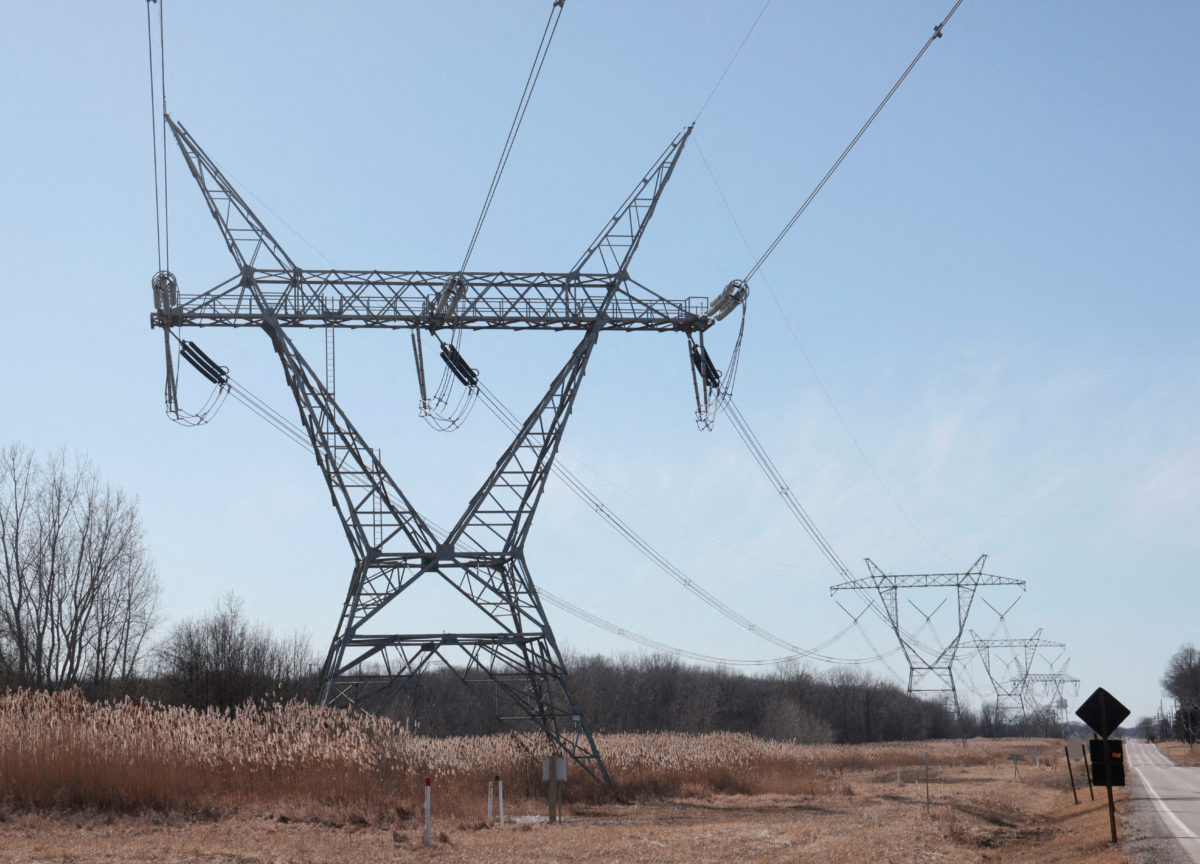
In Sugarloaf, Pennsylvania, United States, landowner John Zola has become one of many residents opposing a proposed transmission project that would place a 500 kilovolt power line across his 40 acre property. The project would install metal towers reaching about 240 feet high, significantly taller than the apple trees that currently grow on his land.
The proposed project is being developed by PPL Corporation, a regional electricity utility that serves more than 1.5 million customers. According to the company, the project aims to strengthen the power grid and meet rapidly rising electricity demand from large data centers operated by global technology companies.
AI Infrastructure Increasing Energy Demand
Artificial intelligence technologies require massive computing power, which significantly increases electricity consumption. Large data centers store and process enormous amounts of information, often running thousands of servers around the clock. As a result, utilities across the United States are planning new transmission lines to deliver electricity across long distances.
Supporters of these projects argue that expanding the transmission network will improve grid reliability and prevent power shortages during periods of extreme weather. The projects can also add capacity to aging energy infrastructure that analysts say has struggled to keep up with modern demand.
However, critics question whether the benefits justify the impact on communities that host the infrastructure.
Local Communities Raise Environmental and Property Concerns
Residents and landowners argue that the new transmission corridors could damage farmland, forests, rivers, and residential areas. Many fear the projects will reduce property values and permanently change the character of rural communities.
In Texas, local residents formed the Hill Country Preservation Coalition to challenge plans for new high voltage lines crossing the region’s scenic landscape. The coalition’s founder, Jada Jo Smith, has urged regulators to route the transmission lines along existing highways rather than through environmentally sensitive areas.
Community groups believe alternative routes could reduce environmental harm while still allowing utilities to upgrade the grid.
Growing Financial Stakes
Utility companies expect transmission projects to become a major area of investment. Analysts estimate that annual spending on transmission infrastructure in the United States could nearly double to about 50 billion dollars between 2019 and 2028.
Yet some policymakers and consumer advocates remain cautious about the scale of these investments. Darryl Lawrence, Pennsylvania’s state consumer advocate, has questioned whether certain projects are necessary or whether lower cost alternatives could meet future electricity needs.
Lawrence also raised concerns about whether some transmission lines are designed mainly to serve data centers rather than local communities.
Policy Debates Intensify
As disputes grow, some members of the United States Congress are exploring ways to accelerate approval processes for major transmission projects. These proposals could limit certain state level reviews or environmental assessments.
At the same time, some technology companies are exploring alternative solutions such as building private power plants or locating data centers near existing power generation facilities. These strategies could help companies avoid lengthy approval processes for new transmission lines.
Residents Caught in the Middle
Despite the economic importance of artificial intelligence, residents affected by transmission projects often feel excluded from the decision making process. Utilities frequently offer financial compensation to property owners, but many residents say the payments cannot replace the environmental and personal value of their land.
In the case of the Sugarloaf project, compensation offers reportedly increased significantly as negotiations continued. However, some landowners remain unwilling to accept the deals, fearing the long term consequences for their communities.
Future Outlook
The conflict highlights a growing challenge for governments and energy providers. Artificial intelligence and digital infrastructure promise economic growth and technological advancement, but they also require vast amounts of electricity and new energy infrastructure.
Balancing technological progress with environmental protection and community interests will likely remain a key policy debate in the coming years. Transparent planning, stronger community engagement, and investment in renewable energy solutions may help reduce tensions as countries expand their digital economies.
MORE STORIES:
 Job opportunities: Apply for jobs at BRAC Rwanda
 Pi Network’s Predictive Leap: Redefining Currency, Industry, and Human Purpose
 Pi Network: Innovation and Decentralization at the Edge of Web3
 WhatsApp to Introduce Stronger Privacy Controls to Protect User Messages
Job Opportunities at National Child Development Agency
Job: MTN Rwanda is hiring
Job Opportunities at National Land Authority
WhatsApp to Introduce Stronger Privacy Controls to Protect User Messages
Job Opportunities at National Child Development Agency
Job: MTN Rwanda is hiring
Job Opportunities at National Land Authority
 Eric Trump, Justin Sun, and Nicolas Kokkalis Set to Headline Consensus 2025: A Landmark Crypto Industry Event
 Rwanda: Education as a Cornerstone for Sustainable Development
Apply for clinical role job
Rwanda: Education as a Cornerstone for Sustainable Development
Apply for clinical role job
I know this if off topic but I’m looking into starting my own weblog and
was wondering what all is required to get setup? I’m assuming
having a blog like yours would cost a pretty penny? I’m
not very web savvy so I’m not 100% sure. Any tips or advice would be greatly appreciated.
Many thanks