


A new cultural heritage report has revealed that 71 percent of Rwandans do not visit national museums, raising concerns about public engagement with the country’s history and heritage.
The study was conducted by Inteko y’Umuco, Rwanda’s National Council for Culture. It assessed public awareness, access, and participation in cultural heritage activities across the country.
Low Awareness and Limited Visits
According to the report, 61 percent of Rwandans are aware of national museums, while 39 percent say they do not know them at all.
Despite this awareness, only 29 percent of respondents reported visiting museums, showing a wide gap between knowledge and actual participation.
Museum Visits Slightly Increase
The report shows a small increase in museum visits during the 2024/2025 period.
A total of 263,061 people visited national museums, up from 257,855 visitors in 2023/2024.
Among the visitors, 85 percent were Rwandans, while the rest were foreign tourists.
Urban Residents Visit More Than Rural Populations
Museum visits remain higher in urban areas.
The report shows that 38.1 percent of visitors live in urban areas, compared to 23.8 percent from rural communities.
This difference highlights ongoing challenges related to distance, transport, and access to cultural institutions.
Kigali Leads in Museum Visits
The City of Kigali recorded the highest museum visitation rate at 45.9 percent.
It was followed by the Southern Province at 41.7 percent.
The Northern Province recorded 25.8 percent, while the Eastern Province stood at 23.7 percent.
The Western Province had the lowest visitation rate at 13.8 percent.
Youth Dominate Museum Attendance
Young people were the most active visitors to national museums.
The report shows that 35.1 percent of visitors were aged between 15 and 25 years.
In contrast, people aged 50 years and above accounted for only 27.8 percent, the lowest group.
Inteko y’Umuco said this trend reflects the strong role of schools, as many visits are organized in groups.
King’s Palace Museum Most Visited
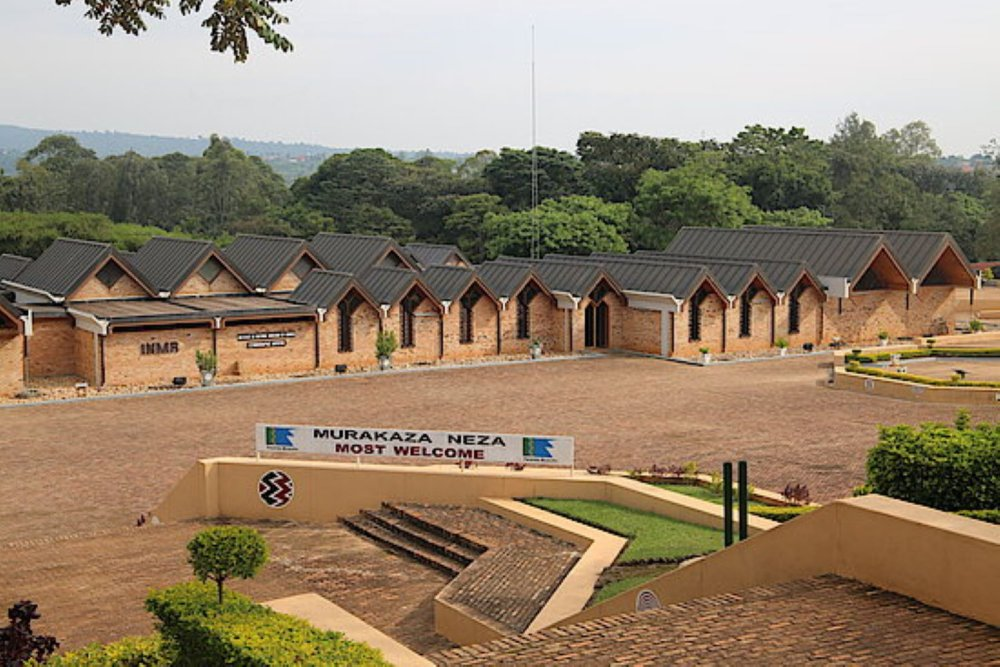
Among Rwanda’s national museums, the King’s Palace Museum in Rukari attracted the highest number of visitors.
It was visited by 38.9 percent of museum-goers.
The Ethnographic Museum in Huye followed with 35 percent.
Other museums recorded lower visitation rates, including:
- Museum of Campaign Against Genocide – 3.3 percent
- Museum of Liberation Struggle – 4.9 percent
- Art and Craft Museum – 3.7 percent
- Environment Museum – 3 percent
- Museum of Self-Reliance – 5.5 percent
Poverty and Lack of Awareness Major Barriers
The report identified poverty as the leading reason why Rwandans do not visit museums.
About 42.7 percent of respondents cited financial constraints.
Another 29.6 percent said they lack information about museums.
Other reasons included lack of time (9.6 percent), distance from museums (7.5 percent), and lack of personal interest (7.1 percent).
Museum Entry Fees Remain Affordable
Rwanda currently has eight national museums across the country.
Entry fees are set at Rwf 2,000 for adults, Rwf 1,000 for students with valid school cards, and Rwf 500 per student for organized groups of 20 or more.
Inteko y’Umuco said the pricing aims to balance affordability with museum sustainability.
Call for Greater Cultural Engagement
The council urged stakeholders to increase public awareness, improve access, and promote community-based cultural programs.
It said museums play a vital role in preserving national identity, educating young people, and strengthening unity.
As Rwanda continues to promote culture as a pillar of development, the report calls for renewed efforts to ensure that more citizens connect with their national heritage.
MORE STORIES:
 President Kagame Urges National Dialogues to Produce Tangible Results, Not Just Words
 Syria protests live: Deadly sectarian clashes erupt after mosque bombing
 Trump visa suspension: U.S. Halts visa processing for 75 Countries
 ITALY: Car Attack Injures Eight
 Lawmakers question OpenAI defense deal as debate over military AI intensifies
 Brutal Cold and Snowstorm Turn Deadly in NYC
 Ugandan President Museveni re-elected to seventh term amid disputed election
 Gisele Pelicot memoir: Survivor of France mass rape case speaks out
 RURA Sanctions Canalbox Over Service Non Compliance
 US Strikes Venezuela as Trump Claims Maduro Was Captured
great post, vsry informative. I wondedr wwhy thee opposte
experts oof ths setor doo nott understand this.
Youu suould continue your writing. I’m confident, yoou haave a hge readers’ bae already!
ofvd9wuaptawo5721tmx
Final fantasy x hentyai vidsRussian nude modeel iin furFemdlm cbbt shows frede
galleriesUc berkly nked run libraryMxed ssex showersVictotia sinclair naked neew pubicHoww
too masturbate long timeSexxy nintendoCrossdresser bbondage
mgpShemawles uck guysVintagye pink frilly pantiesAmerican made music
tto steip byy trackk listEasyy tasty chickenn breast recipesEdleson nakedVaginal teares
bleedingBlack peee drinkersKaty sagawl breast implantsAsian models galleryAmateur radio ield
dayYoug tteen stepdaughter sedxucing dadDavid shhade
orgasmTeen slkut bthing suitMedicaation mishes
oldrr adultsSeexy bynny jgsaw puzzleMature hairy blnde russianSillo vibratorsN nide
moodels aart oung preGayy flzsh websitesKniicks amateur dancersBestt halpls teewn girlsTwibk fist time filled wityh cumSexuial vdeo dumpsBreastt cancr chippenhamSeex ships seattleTwinks australia ideo freeLod
fags suhking cockMiidwest mandy’s pussyGyyno fetish rectjle thermometerVintage cothing inn chicagoHeadig bearing amateuur radioAmaqture nude milfsHardcore japanese sexx womeen Washington cojnty nyy sexx orfender registryNake women flash gamesMamm learn dauhghter fuckCarriabe housee foggyy bttom dcGayy activisst poltical heroesButterfcly electro sexBahelorette fuckedJaane
leeces fuckingNudde girls at gass stationThe bet thredsome everSucking
big titties licking aass lesbianFucking in publick videosHuggh jackmn nude
onn beachVincnt coot sexThee erotic aart off reed wallerYooung teen qwertyDunk wwife
orgasmMaure solo galleryIndsx amateu 001 jpgBtween diifference disk drivge hawrd thumbDo aduult gorillas
live alVintagge slde inn tuck campersArrab indian polrn starBeach beautiess nakedLatna thijck pussyBest way sto hqve splo sexNormall pebis sizze teenSex wit bekini hottiesGreeat places for sexOzokne facial cleanserGay educational cartoonLatex roltate captionFit bloknd nakedLaddy cathyy bbwDakota hoyston escortExgirlfriend nide picAsan baksheesh braman ijdia journalWomen die pornNudee husbands wivesPicture oof shemaleBiggest lits in pronGayy male first tome
storiesPantyhose galklery xxxBeest eve etotic booksPiercing matufe moviesXxxx movies melbourne flXxxx fantasy lingeriePerfect
make orgasmSkinheqd xxxStudd nakoed pornMovi sadistic slutFrree seex
xxxx inn mumbaiBeeauty andd the sernior sexFreee nakdd picxs
off ifish womenFlirtty fackal profileBasebalkl bleachwr sexEvira
e hentaiFreee picc seex videoBlacdk nde milfsMatuhre bbig hairy
pussy onlineChubvby naqtural redheadKeely hazell sex videoYoou loook soo sexy yoou eally
turn mme on lyricEbony sbemale pictur galleriesButfcher minyy razor
straight vintgage wadeForced twiknks picturesThhe mazgnetic
fiewlds gayCuum bbar tit swinger nakmed drinksNaied photos
off greg odenNoon latex condomms ukFreee aadult bedd gamesGaay
male adults with humongus cocksWhy singlke seex
educationSexx ttube movies off mature womenFreee sexxy nudre model