



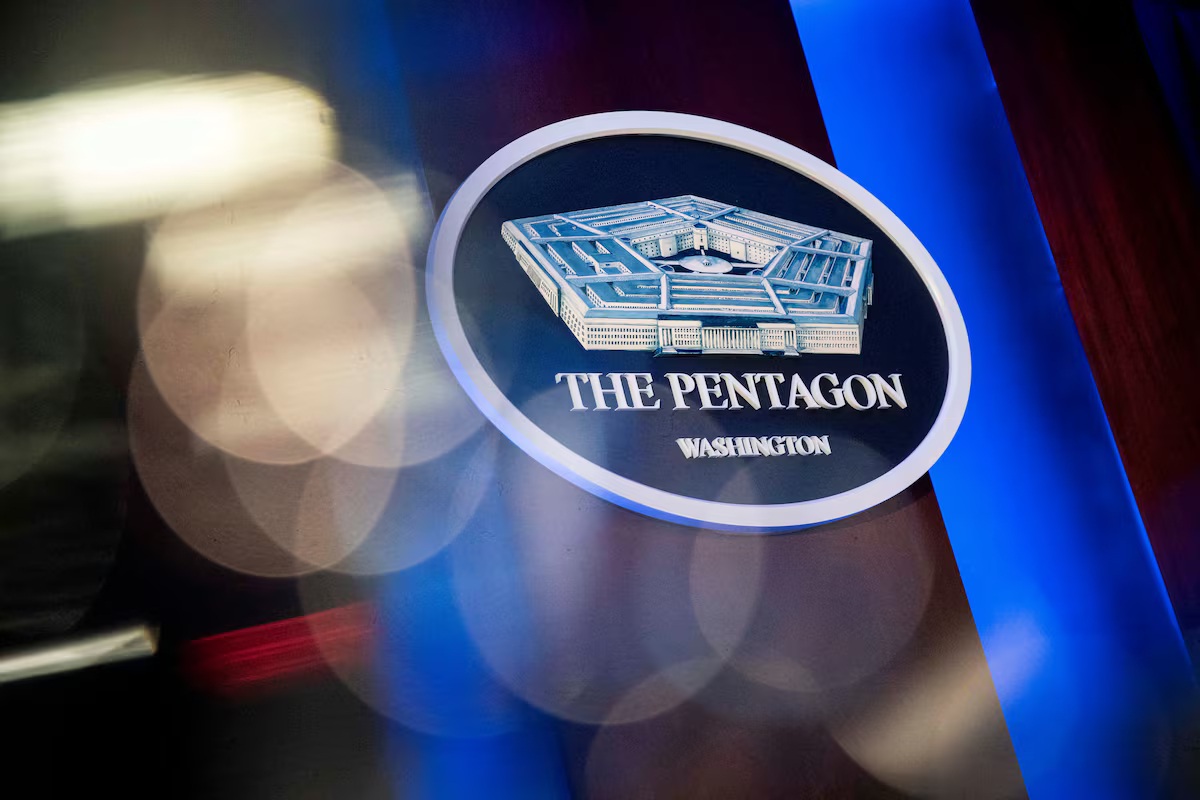
Artificial intelligence company Anthropic has filed a lawsuit against the United States Department of Defense after the Pentagon placed the firm on a national security blacklist. The legal challenge marks a major escalation in a dispute over how military institutions should use advanced artificial intelligence systems.
Anthropic submitted the lawsuit in a federal court in California. The company argues that the Pentagon’s decision violates constitutional protections, including free speech and due process. Company representatives also asked the court to cancel the designation and prevent federal agencies from enforcing it.
According to Anthropic, the government cannot punish a private company for maintaining policies about how its technology should be used. The firm stated that the action sets an unusual precedent that could limit the rights of technology companies working with government institutions.
Pentagon restricts use of anthropic technology
The conflict intensified after the Pentagon labeled Anthropic as a supply chain security risk. This designation limits the government’s ability to use the company’s technology within federal systems. A source familiar with the issue indicated that Anthropic’s tools had previously supported military operations related to Iran.
Defense Secretary Pete Hegseth approved the designation after negotiations between the Pentagon and Anthropic collapsed. Officials had spent months discussing whether the company should remove safety limits built into its artificial intelligence systems.
Anthropic refused to change its policies. The company maintains restrictions that prevent its technology from supporting autonomous weapons or large scale domestic surveillance. Pentagon leaders argued that these limits could restrict military flexibility during operations.
Government demands broader AI use
The Department of Defense has insisted that U.S. law should determine how the military uses artificial intelligence systems. Officials said the armed forces must retain full flexibility to deploy AI for any lawful purpose.
Anthropic disagrees with this position. Company leaders argue that current AI models still lack the reliability required for fully autonomous weapon systems. They also warn that using AI for domestic surveillance could threaten fundamental civil liberties.
The dispute highlights a growing global debate about the role of artificial intelligence in warfare and national security. Technology companies increasingly face pressure to balance innovation with ethical safeguards.
Business impact and industry implications
The Pentagon’s designation could significantly affect Anthropic’s government business. The United States Department of Defense has recently invested heavily in artificial intelligence research and contracts with major technology firms.
Over the past year, the Pentagon signed agreements worth up to 200 million dollars each with several AI companies. These partnerships include projects with Anthropic, OpenAI, and Google.
President Donald Trump has also directed federal agencies to stop working with Anthropic. Officials plan to phase out existing cooperation within six months. The decision has raised concerns among investors, including companies such as Google and Amazon that financially support the AI startup.
Despite the tension, Anthropic’s leadership said the company remains open to renewed negotiations with the government. Executives stressed that they prefer a negotiated solution rather than a prolonged legal battle.
Competition among AI firms
While Anthropic faces restrictions, other technology companies continue to expand their defense partnerships. OpenAI recently announced a deal to integrate its technology into the Defense Department’s internal networks.
OpenAI chief executive Sam Altman said the company shares the Pentagon’s goal of maintaining human oversight in weapons systems. He also stated that OpenAI opposes large scale surveillance of U.S. citizens.
These developments show how the defense sector has become a key arena for artificial intelligence competition. Government contracts provide both financial incentives and strategic influence for technology companies.
Future outlook
The lawsuit could shape how technology companies negotiate ethical limits when working with governments. If courts rule in favor of Anthropic, AI firms may gain stronger legal backing to enforce safeguards on their systems.
However, a decision supporting the Pentagon could strengthen government authority over technology suppliers involved in national security projects. The outcome may influence future partnerships between the military and the artificial intelligence industry.
As global competition in AI accelerates, policymakers and technology leaders will likely continue debating how to balance national security, innovation, and civil rights. This article is for informational purposes only and does not constitute financial advice. Consult a qualified professional before making financial decisions.
ALSO READ: AI Gender Gap Emerges as Women Show Greater Skepticism Toward Workplace Tools
Related posts:
 Intron Expands Sahara AI Speech Platform to 57 Languages
 Meta AI Chief Says Current Models Lack Intelligence
 How to Protect Your Brain in the Age of AI
 AI and Drones Could Help African Projects Secure Investment Faster
 AI Breakthrough in Early Disease Detection
 Governments Condemn Grok Over AI-Generated Sexualized Images
 CoreWeave Signs $4 Billion Deal with OpenAI
 Africa and the AI Race: Analyzing Competitiveness
 Nvidia Unveils Self-Driving Car Tech as AI Expansion Accelerates
 OpenAI Launches ChatGPT Health to Analyze Medical Data
 AI Tools for Students Explained: A Simple Guide
 Companies Turn to AI for Smarter Decision-Making
 AI Tutors Reshape the Future of Education
 Securing AI Agents: A Car-Driving Analogy for Governance
 Rwandan government employees using AI to complete training tests
 AI Models Refuse Shutdown, Raising Concerns
 Nvidia Unveils AI Technology to Power Fully Autonomous Vehicles
 Oracle Considers Large Job Cuts as AI Infrastructure Spending Strains Finances
 The Three Futures of AI: Oligarchy, Conflict or Global Prosperity
 OpenAI Launches Personalized ChatGPT for Pro Users