



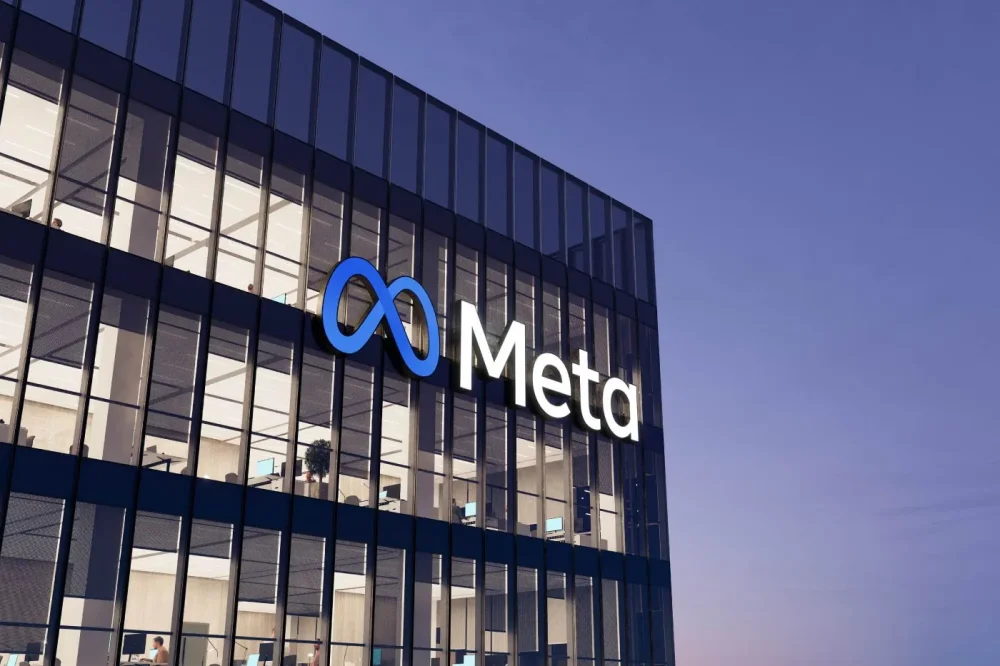
Meta has announced plans to cut around 10 percent of its global workforce, affecting more than 8,000 employees. The company aims to replace many of these roles with artificial intelligence systems as part of a broader strategy to modernize operations.
The decision reflects Meta’s growing focus on AI, which now plays a central role in how the company develops products and manages internal processes. Executives believe AI can handle repetitive and data driven tasks more efficiently than human teams.
Investment in AI Reaches New Levels
Meta plans to invest approximately 135 billion dollars in AI projects in 2026 alone. This amount matches what the company spent on similar technologies over the past three years combined.
This aggressive investment highlights the company’s ambition to lead in artificial intelligence. It also signals a long term shift in how major tech firms allocate resources, moving away from traditional hiring toward automation and machine learning.
Leadership Vision Behind the Decision
Mark Zuckerberg had already indicated earlier this year that workforce reductions were likely. He emphasized that employees who use AI tools can significantly increase productivity.
According to him, one worker supported by AI can now complete tasks that previously required entire teams. This shift suggests a new model of work where human roles focus more on strategy and creativity, while AI handles execution.
Impact on Jobs and the Tech Industry
The layoffs come after Meta had already reduced its workforce by about 2,000 employees earlier in 2026. By the end of 2025, the company employed around 79,000 people worldwide.
This move raises concerns across the tech industry. Many professionals worry that similar decisions could spread to other companies, leading to fewer job opportunities in certain roles.
At the same time, some experts see opportunities. As AI adoption grows, demand for new skills such as AI management, data analysis, and system design could increase.
Risks and Opportunities of AI Adoption
Replacing human roles with AI can improve efficiency and reduce costs. However, it also introduces risks such as over reliance on automated systems and potential job displacement at scale.
Companies must balance innovation with responsibility. Workforce transitions require careful planning to avoid long term social and economic challenges.
Future Outlook
Meta’s decision signals a turning point in the global job market. AI is no longer just a support tool, it is becoming a core driver of business operations.
As more companies follow this path, the nature of work will continue to evolve. The future will likely require a combination of human creativity and machine efficiency, with organizations adapting to stay competitive.
Related posts:
 Is AI-Generated Explicit Content Illegal in Rwanda?
 Tech Leaders Recognized for Shaping Modern AI
 AI Chatbots May Give Harmful Advice by Agreeing Too Much With Users
 EU Opens New Investigation Into X and Grok AI Tool
 OpenAI Revenue Surge Driven by GPT-5.4 as It Prepares for Public Listing
 Three Teen Girls Sue Grok AI Over Alleged Use of Their Images in Explicit Deepfakes
 Legal Concerns Rise Over AI Misuse in Personal Harassment Case
 The Rise of AI for Everyone: Practical Benefits and Tools for Non-Tech Users
 Retailers Confront AI Return Fraud in Rising Damage Claims
 AI safety debate grows as parents demand online child protection
 AI Capabilities and Limits: Generative AI, NLP, AGI Explained
 Nigeria Set to Pass Landmark AI Law
 Is AI going to conqure Whole world?
 Using AI In a Right Way : A Quick Guide
 Data Curation for AIOps: The Key to Smarter Network Operations
 AI Alarmism Surges in Early 2026 as Risks and Pace Collide
 Google Reports Surge in AI-Driven Cyberattacks by State Hackers
 OpenAI Explores Spacecraft Project
 ChatGPT’s Future: A New ‘Super Assistant’
 Global pressure forces xAI to limit Grok image features