







After returning from Silicon Valley, a young Swiss engineer has presented a device that aims to simplify how viewers access television channels and streaming platforms on any TV.
In an interview with Techno Mag, the engineer, identified as Rémy, explained how the device works and why it was developed as an alternative to buying new smart televisions.
Early ambition and shift in strategy
Rémy left for Silicon Valley in early 2020 after graduating as an engineer ahead of his peers. Along with two other engineers, he initially planned to build an affordable smart television priced below 100 dollars.
The team later abandoned the idea due to high manufacturing costs. Instead, they focused on a simpler approach. Rather than replacing televisions, they designed a compact device that upgrades existing ones.
What the device does

The device is a small box that connects to a television through an HDMI port. Most TVs produced since the early 2000s support HDMI, which allows the box to work with older and newer models.
Once connected, the box enables access to streaming applications, online content, and digital services typically found on smart TVs. Users can control the system using a phone, tablet, or computer.
According to its developers, the system relies on software and artificial intelligence to manage content selection and reduce delays during playback.
How it is set up
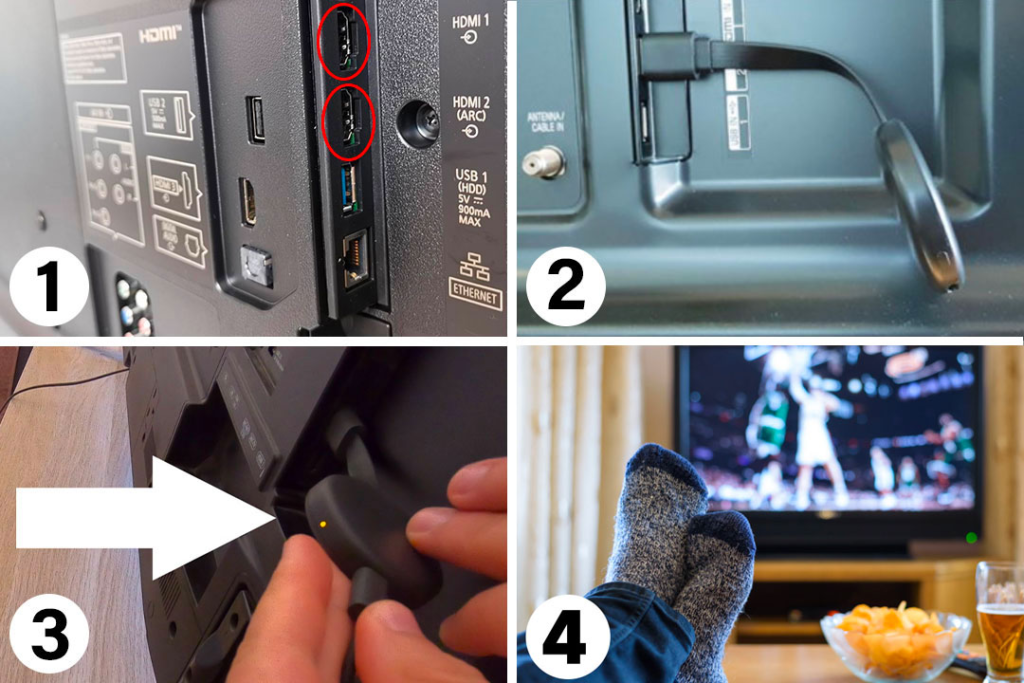
Setting up the device involves a few steps. Users plug the box into the TV’s HDMI port, wait for the indicator light, and switch on the television. The interface then becomes available immediately.
Because the device is portable, users can move it between televisions without reinstallation. The developers say the hardware is designed to last for several years and receives software updates over the network.
Claims around access and legality
The company says the device does not damage televisions and does not alter their internal systems. It also states that the box itself does not bypass security systems or pirate content.
Access to channels and platforms still depends on the terms and availability set by service providers. The device functions as a gateway that brings existing services together in one interface.
Cost and early feedback
The company has announced a retail price of 99 dollars, with no monthly subscription attached to the device itself. Software updates and feature additions are included.
Early users interviewed by Techno Mag said the device simplified how they access content and reduced the need to switch between multiple services or devices.
Broader impact on television habits
Industry observers note that consumer viewing habits continue to shift toward flexible, internet based platforms. Devices that aggregate services and extend the life of older televisions reflect this trend.
While some supporters see strong growth potential for such products, analysts say long term success will depend on regulatory compliance, partnerships with content providers, and user trust.
Related posts:
 Nvidia Invests $1B in Nokia to Boost AI-Driven 6G
 Scientists Discover Massive Mysterious Rock Beneath the Bermuda Triangle
 TikTok US entity deal finalized to avoid ban
 How Close Is Rwanda to Becoming Africa’s FinTech Innovation Center?
 Airtel Africa Partners With SpaceX to Expand Satellite Internet Across Africa
 Flying Cars on the Way: XPeng’s Ambitious Roadmap Wins Over Investors
 Spotify Updates Its AI DJ Feature Here’s What’s New
 China vs SpaceX: An Analysis of LandSpace’s Reusable Rocket Challenge
 Rwanda Coding Academy (RCA) to Expand Across the Country to Boost Rwanda’s Tech Ambitions
 Rwanda Launches International Cybersecurity Training Center (Cyber Academy)
 NASA Brings Crew-11 Astronauts Back to Earth After Medical Concern
 Rwanda: Small and Medium Enterprises Unlocking New Opportunities Through Technology
 Blue Origin Rocket Launches Two NASA Spacecraft Toward Mars
 Airbus Plans to Stop Using Google Cloud Over Data Security Concerns
 Concerns About AI Technology That Could Surpass Human Intelligence
 Taiwan suspends RedNote for one year
 NSO Group Banned from Targeting WhatsApp Users Again
 Tech Giants Agree to Pay for Wikipedia Data
 WhatsApp Starts Testing AI Feature on Android Beta!
 Meta set to acquire Chinese AI firm Manus in major artificial intelligence push