






Who told us that being overweight is automatically a bad thing?
In modern society, conversations about body weight often focus almost exclusively on the negative health risks. However, history tells a different story. For thousands of years, having more body fat was not seen as a problem in many cases, it was a survival advantage.
When Body Fat Meant Survival
In ancient times, when humans relied on hunting, farming and manual labor, food was not always guaranteed. People who had higher body fat reserves were more likely to survive long periods of food scarcity.
Extra fat provided stored energy, helping individuals endure hunger, harsh climates and physically demanding conditions. In colder regions, people with more body fat were better able to tolerate low temperatures because their bodies released heat more gradually than thinner individuals.
In times of injury or illness, having additional body reserves could also improve survival chances.
Cultural Views: A Sign of Wealth and Health
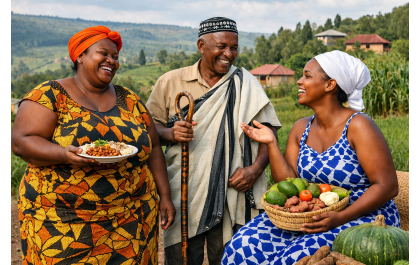
In many traditional African societies and other cultures worldwide, being overweight symbolized wealth, prosperity and good health. A fuller body suggested access to abundant food and a stable lifestyle.
Thinness, on the other hand, was sometimes associated with poverty, illness or hardship.
For much of human history, being able to gain weight meant you had access to enough nutrition — something that was not common for everyone.
What Changed?
The perception of obesity began shifting significantly during and after the Industrial Revolution. Food became more accessible and mass-produced. Physical labor decreased as machines replaced manual work.
Modern lifestyles now often involve:
- Sedentary jobs
- Processed foods high in sugar and unhealthy fats
- Reduced daily physical activity
As a result, weight gain is no longer primarily linked to survival but to lifestyle patterns.
The Modern Health Risks
Today, excessive body fat particularly when combined with inactivity and poor diet — increases the risk of serious health conditions such as:
- High blood pressure
- Type 2 diabetes
- Heart disease
- Sleep disorders
- Joint problems
The issue is less about body shape itself and more about lifestyle factors that contribute to metabolic problems.
Cause vs. Consequence
It is important to distinguish between cause and effect. In many cases, obesity is not the root problem but rather the result of unhealthy eating habits, lack of movement and modern food systems.
Instead of focusing solely on body size, long-term solutions should prioritize:
- Balanced nutrition
- Regular physical activity
- Mental wellbeing
- Sustainable lifestyle habits
Body Diversity and Health
Not everyone who is overweight is unhealthy, just as not everyone who is thin is healthy. Genetics, metabolism and body composition vary from person to person.
If someone’s body type naturally tends toward being fuller and they maintain healthy habits, there may be no immediate health concern.
A Balanced Perspective
Being overweight was not historically viewed as a problem it became one under modern conditions shaped by industrialization, processed foods and sedentary lifestyles.
The real challenge is not simply weight itself, but how we live. Addressing diet quality, movement and overall wellbeing offers a more constructive path than focusing on appearance alone.
Understanding history helps us see that body weight is a complex issue shaped by culture, environment and lifestyle rather than a simple measure of worth or health.
Related posts:
 University Teaching Hospital of Butare to Begin Treating Complex Diseases Including Cancer
 Artificial lung keeps patient alive after removal of both lungs
 Gaps in Childhood Immunization Persist as Parents Cite Challenges in Huye
 Dispelling common myths about blood donation
 How Fibre Protects the Brain and Slows Cognitive Decline
 Wales: Woman with Cervical Cancer Says Doctors Ignored Symptoms for Years
 Gicumbi Residents Raise Safety Concerns Over Stray Dogs
 France Sees More Deaths Than Births in 2025
 Food Hygiene Identified as a Major Factor in Preventing Diseases in Rwanda
 29% of Men and 23% of Women Unaware of HIV Status
 Understanding Allodoxaphobia: The Fear of What Others Think
 Nearly One in Four Births Were Caesarean Deliveries
 Over 400,000 Rwandans Diagnosed With Malaria in Three Months
 Ukrainians Encouraged to Use Heated Sex Toys to Cope With Extreme Winter Cold
 The Hidden Risks of Making Your Bed Immediately After Waking Up
 Over 42,000 People Infected With Tuberculosis in Seven Years
 RBC Warns Barefoot Wetland Farmers of Rising Bilharzia Infection Risk
 Rwanda to Produce Medical Radionuclides
 Kenya Receives 21,000 Doses of Lenacapavir, a New HIV Prevention Drug
 Over 500 Children Killed by Malaria in Rwanda Over the Last Five Years