











Learning crisis

A Growing Literacy Crisis Among Children and Adults

Recent data reveals a troubling decline in reading skills. In the United States, 54 percent of adults read below a sixth-grade level. This means more than half struggle with texts written for a 12-year-old. Among adolescents, roughly one-third of 13- to 14-year-olds demonstrate below-basic reading proficiency. The consequences extend beyond academics. Many high school students…


Read More
AI

AI Alarmism Surges in Early 2026 as Risks and Pace Collide

AI generated Image Artificial intelligence entered 2026 under a cloud of rising alarm. The field has always moved in cycles of hype and fear. However, this year the concern feels sharper. Many industry leaders now argue that AI development is accelerating faster than expected, while safeguards struggle to keep pace. At major global forums, including…

Read More
Job Market

The Job Market Slowdown: AI Is Not the Main Cause

Global hiring remains slow, but artificial intelligence is not the primary driver. Instead, macroeconomic pressures such as high interest rates and cautious corporate spending have reduced overall investment. When companies invest less, hiring declines across all levels. Entry-level roles have dropped by roughly 12 percent worldwide. However, that decline mirrors broader trends across mid-level and…

Read More
Translation

AI Translation Risks Already Exist, With or Without Legal Drama

Artificial intelligence has transformed translation. It delivers speed, scale and lower costs. However, it also introduces risks that many organizations underestimate. These risks already affect brands and compliance frameworks, even without a major lawsuit. In its 2026 outlook, CSA Research predicts that AI liability will push companies toward risk-based quality models. A serious court case…

Read More
Data labers

Hidden Workers Behind AI: The Data Labelers’ World

Artificial intelligence may appear autonomous, but behind every smart system stands a human workforce. Data labelers, often called “ghost workers,” provide the essential labor that allows AI to interpret the world. Their contributions remain invisible to most users, yet without them, modern AI would not function. Across regions such as Kenya’s growing tech hub, often…

Read More
futures of AI

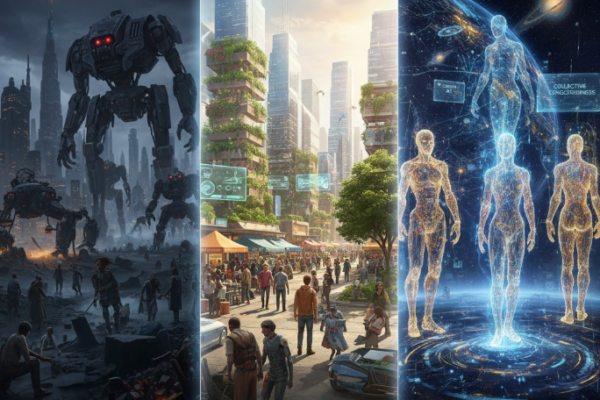
The Three Futures of AI: Oligarchy, Conflict or Global Prosperity

Artificial intelligence has reached a defining moment. According to technology strategist Alvin W. Graylin, humanity now stands at a crossroads. The direction AI takes will depend not on technical capability alone, but on how governments, companies and institutions manage critical resources such as compute power, advanced chips, data and expert talent. The choices made today…

Read More
AI Agents

Securing AI Agents: A Car-Driving Analogy for Governance

Autonomous AI agents require structured oversight. A useful way to understand this need is through a car-driving analogy. Driving is not an unrestricted right. It is a regulated privilege supported by infrastructure, rules and enforcement. The same layered governance must apply to AI agents to prevent uncontrolled behavior. When governance steps operate in isolation, vulnerabilities…

Read More
education

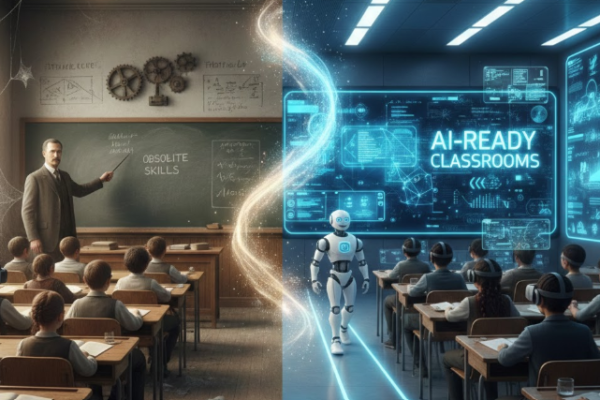
Education Evolution: From Obsolete Skills to AI-Ready Classrooms

Education has always evolved alongside technology. When tools become more efficient than manual effort, schools shift focus. Skills once considered essential gradually lose priority. In the past, schools treated cursive writing and penmanship as core subjects. Clear handwriting signaled discipline and professionalism. Today, most communication happens on digital devices. As a result, typing skills matter…

Read More