






The Rwanda Biomedical Centre (RBC) has announced the rollout of a new home-based cervical cancer self-screening program, allowing women to test themselves from the comfort of their homes without visiting health facilities.
The initiative aims to expand access to screening services, promote early detection, and address long-standing challenges such as stigma, fear, and limited access to healthcare facilities.
How the self-screening program works
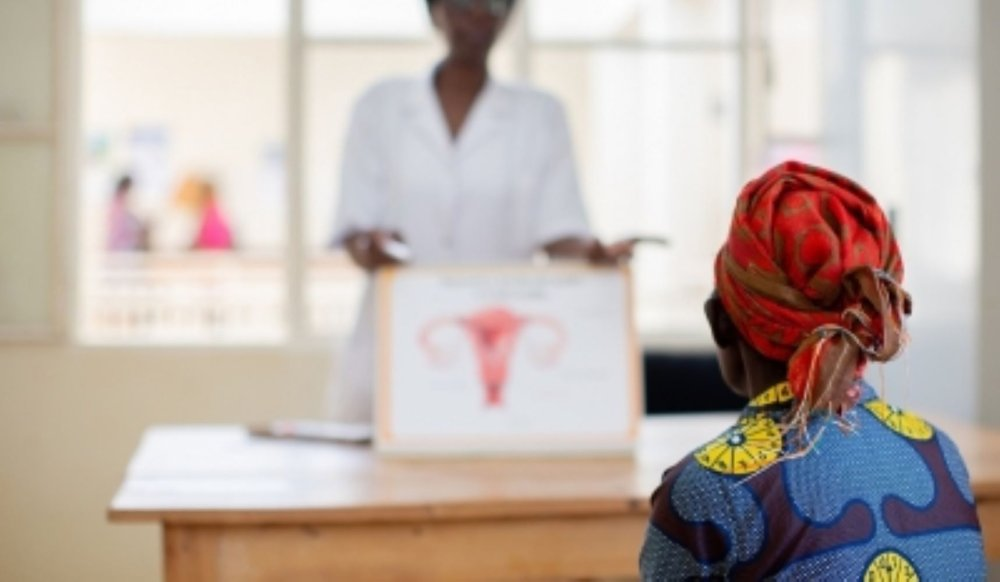
Under the new program, women can collect self-testing kits from health centers and perform the test at home. After collecting the sample, it is submitted to a laboratory for analysis to detect the presence of the Human Papillomavirus (HPV), the leading cause of cervical cancer.
Early detection of HPV significantly improves prevention and treatment outcomes.
RBC confirms free testing kits
The Head of the Cancer Prevention Unit at RBC, Dr. Théoneste Maniragaba, confirmed that the self-screening kits are provided free of charge.
“Women can collect samples at home and submit them to laboratories for HPV testing. Once results are available, healthcare providers communicate them, and those who test positive are referred for further examination or treatment,” he said.
Who is eligible for the program
According to Dr. Maniragaba, the program targets women aged 30 years and above, even if they feel healthy.
He emphasized that cervical cancer often shows no early symptoms, making regular screening essential.
Addressing barriers to screening
RBC noted that the home-based approach will help overcome barriers such as embarrassment, discomfort, fear of medical procedures, and difficulties accessing healthcare services.
Health officials confirmed that the self-screening method is as reliable as facility-based testing when properly conducted.
Private health facilities participating
Several private health facilities have already joined the program, including:
- Legacy Clinic
- DMC Carrefour
- Good Life
- Bien Naitre
- Bwiza Medical
- MBC Hospital
- Polyclinic Medico-Social
- Saint Jean Polyclinique in Nyarugenge
Cervical cancer burden in Rwanda
Data from the Rwanda National Cancer Registry 2022 shows that between 600 and 800 women are diagnosed with cervical cancer each year in Rwanda, with nearly 600 deaths annually.
The figures highlight cervical cancer as a major public health concern in the country.
Rwanda’s goal to eliminate cervical cancer
Rwanda aims to eliminate cervical cancer by 2027, in line with the World Health Organization’s (WHO) global 90-70-90 targets, which seek to:
- Vaccinate 90% of girls aged 13–15 against HPV
- Screen 70% of women aged 29–49 for cervical cancer
- Ensure 90% of women with precancerous or cancerous lesions receive appropriate treatment
Related posts:
 Character.ai Yiyemeje Gukora Porogaramu za AI Zishobora Kuba Inshuti z’Abantu
 Rwanda invests 300 billion Rwf in towers: A solution to Internet issues
 Samsung Launches Three-Panel TriFold Phone to dominate Apple and Huawei
 Africa Rewrites Its Digital Narrative in the Modern Age
 WhatsApp Starts Testing AI Feature on Android Beta!
 Flying Cars on the Way: XPeng’s Ambitious Roadmap Wins Over Investors
 4.3 Million Rwandans Have Gained Digital Literacy
 Rwanda Adopts Advanced Technology to Improve Disaster Communication Systems.
 China vs SpaceX: An Analysis of LandSpace’s Reusable Rocket Challenge
 Google Not Required to Sell Chrome or Android, U.S. Court Rules
 Trump’s 2028 Space Plan: Ensuring American Space Superiority Amid Global Competition
 Amazon to Build 12 Nuclear Energy Plants Similar to Those Planned in Rwanda
 Airbus Plans to Stop Using Google Cloud Over Data Security Concerns
 ChatGPT to Introduce Adult-Oriented Erotic Content
 UGHE Launches Rwanda’s First HD²SS System
 Rwanda Launches International Cybersecurity Training Center (Cyber Academy)
 How to access your phone on a Laptop without using a cable
 Concerns About AI Technology That Could Surpass Human Intelligence
 How Do Social Media Algorithms Work?
 France Fines Google and Shein Over 800 Billion Rwandan Francs for Privacy Violations