



The Rwanda Biomedical Center (RBC) has launched a new initiative to provide Hepatitis B vaccination to all newborns. The vaccine is administered within 24 hours of birth, giving infants early protection against liver disease caused by the Hepatitis B virus.
Protecting Newborns from Liver Disease
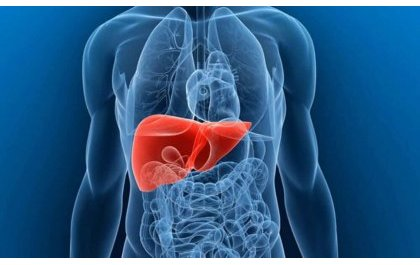
Hepatitis B is a serious viral infection that can lead to chronic liver disease, liver failure, and liver cancer. Many children worldwide are infected at birth, often from their mothers. By vaccinating newborns immediately after birth, Rwanda aims to significantly reduce the risk of infection and long-term complications.
How the Program Works
Under this program, healthcare facilities across the country have been equipped with vaccines and trained staff. According to RBC, all newborns—even those born outside hospitals—can receive the vaccine. Medical personnel have received thorough training to ensure safe and effective administration of the vaccine.
Dr. RBC stated, “Administering the Hepatitis B vaccine within 24 hours of birth is the most reliable way to protect newborns from infection. This program ensures that every child gets a safe start to life.”
Rwanda’s Progress and Goals
Globally, over 296 million people live with chronic Hepatitis B, and it claims more than 1 million lives each year. In Rwanda, the infection rate is currently 0.26%, a significant achievement thanks to vaccination, testing, and free treatment programs.
The country’s goal is to eliminate Hepatitis B completely by 2030, aligning with international health targets for disease eradication.
National Impact
This program is expected to protect thousands of children annually from serious liver diseases, including liver cancer. It also strengthens Rwanda’s overall healthcare system by increasing access to preventive care from the very first day of life.