



The global alcohol industry remains one of the most profitable consumer sectors. It supports millions of jobs across agriculture, manufacturing, logistics, trade, hospitality and retail. In Rwanda, this industry is also changing. Beyond mainstream beverages, premium and ultra-luxury drinks are gaining visibility in high-end restaurants and hotels.
This shift reflects evolving consumer preferences and growing purchasing power among certain income groups. A visit to Atelier du Vin, a fine-dining restaurant operating under Akagera Trading, part of Akagera Motors, highlights the scale of this niche market.
A Bottle Valued at Rwf 5.5 Million
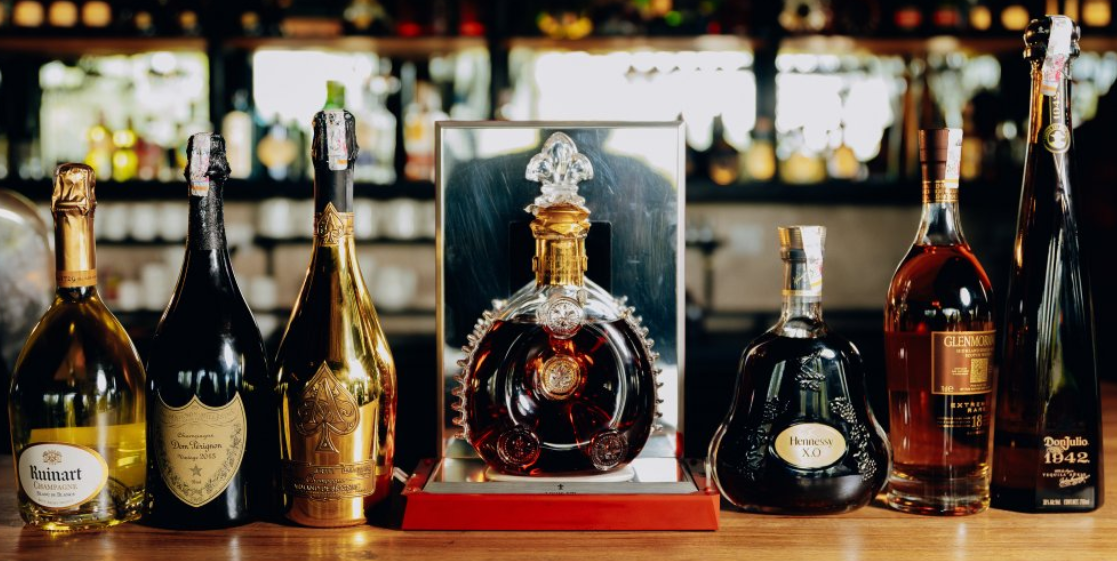
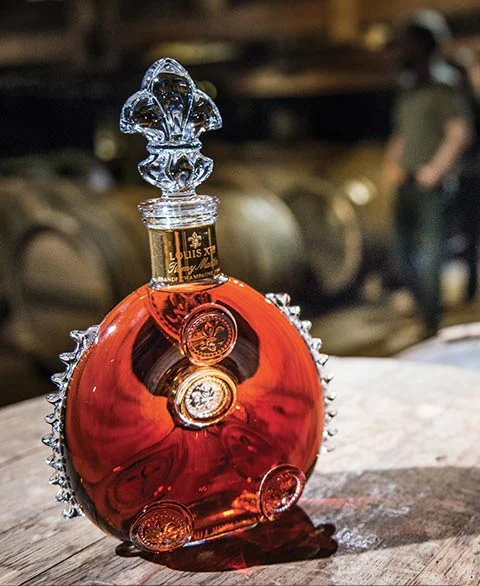
One of the standout products is Louis XIII de Rémy Martin. First created in 1874, this cognac blends around 1,200 eaux-de-vie aged between 40 and 100 years. At the Kigali establishment, a single bottle sells for Rwf 5.5 million, making it one of the most expensive alcoholic beverages publicly available in Rwanda.
The restaurant’s premium list also includes Don Julio 1942 priced at Rwf 1.2 million, Armand de Brignac, widely known as Ace of Spades, at Rwf 650,000, Hennessy X.O at Rwf 600,000, and Dom Pérignon Vintage 2013 at Rwf 540,000.
Other premium selections include Ruinart 1729 and Glenmorangie 18, each retailing at Rwf 315,000 per bottle.
Limited Editions and Regional Reach
The company also distributes products to regional markets such as the Democratic Republic of the Congo, Burundi and Uganda. However, about 80% of its sales remain within Rwanda, reflecting steady domestic demand for luxury imports.
Limited-edition releases form part of the offering. Some editions of Dom Pérignon P2 2002 have fewer than 500 bottles available globally, with only a small allocation reaching Rwanda. Similarly, certain editions of Hennessy Paradis are capped at around 150 bottles worldwide, with fewer than two dozen entering the local market.
These exclusive releases typically launch in April and retail between Rwf 10 million and Rwf 12 million. Buyers often include high-net-worth individuals, corporate clients and international visitors.
Taxation and Pricing Structure
High retail prices in Rwanda largely reflect taxation and import costs. In 2023, the government adjusted parts of its tax framework to strengthen domestic revenue collection.
The Rwanda Revenue Authority applies excise duties based on alcohol content, product type and sourcing of raw materials. Beer, wine, liqueur and spirits generally face a 40% excise rate. Products with higher alcohol content may attract rates between 60% and 65%. Premium wines and high-value spirits can reach up to 70% per litre under certain thresholds.
When combined with freight, insurance, import charges and distributor margins, these taxes significantly raise final retail prices.
A Growing Luxury Segment
Rwanda’s hospitality sector continues to diversify as demand for exclusive experiences grows. The presence of ultra-premium beverages in Kigali signals the emergence of a niche but expanding luxury market.
While most consumers still purchase mainstream products, high-end establishments are positioning Rwanda within the broader regional landscape of luxury dining and premium lifestyle consumption.
Related posts:
 Job opportunities: Apply for Manager Job
 Apply now and pay later at Catholic University of Rwanda
Job: Bralirwa plc is hiring
Apply for Project Manager job
Job opportunities: People Performance Specialist RwandAir Limited
Job opportunities: Apply for Sales Representatives at Yellow
Apply now and pay later at Catholic University of Rwanda
Job: Bralirwa plc is hiring
Apply for Project Manager job
Job opportunities: People Performance Specialist RwandAir Limited
Job opportunities: Apply for Sales Representatives at Yellow
 Top 5: Must have AI tools in 2025
Job opportunities: Apply for Agriculture And SME Development Project Officer
Top 5: Must have AI tools in 2025
Job opportunities: Apply for Agriculture And SME Development Project Officer
 Vietnamese Media Calls on Public to Embrace Digital Currency Movement, Spotlighting Pi Network
Job opportunities at Zuria court
Vietnamese Media Calls on Public to Embrace Digital Currency Movement, Spotlighting Pi Network
Job opportunities at Zuria court
 Opportunities of suppling tyres and tubes
 Some Resist the Rise of AI, Citing Environmental Concerns and a Loss of Human Connection
 Good News! Pi Network: The Only Cryptocurrency Endorsed by Governments Worldwide – The Future of Digital Finance Starts Here
 AI Won’t Replace Humans; But Humans With AI Will Replace Humans Without AI
Apply for Driver job
Job opportunities: Apply for Human Resource and Administration Ecoplanet Bamboo Rwanda Ltd
AI Won’t Replace Humans; But Humans With AI Will Replace Humans Without AI
Apply for Driver job
Job opportunities: Apply for Human Resource and Administration Ecoplanet Bamboo Rwanda Ltd
 Rwanda’s New Policy to Combat Online Scams
Job opportunities: Apply for Finance And Administration InternGIZ Rwanda
Rwanda’s New Policy to Combat Online Scams
Job opportunities: Apply for Finance And Administration InternGIZ Rwanda
 Whales Scoop Up 20 Million Pi Coins Is Pi Network the Next Bitcoin
 Bitcoin Surpasses Amazon to Become the Fifth Largest Asset by Market Cap