





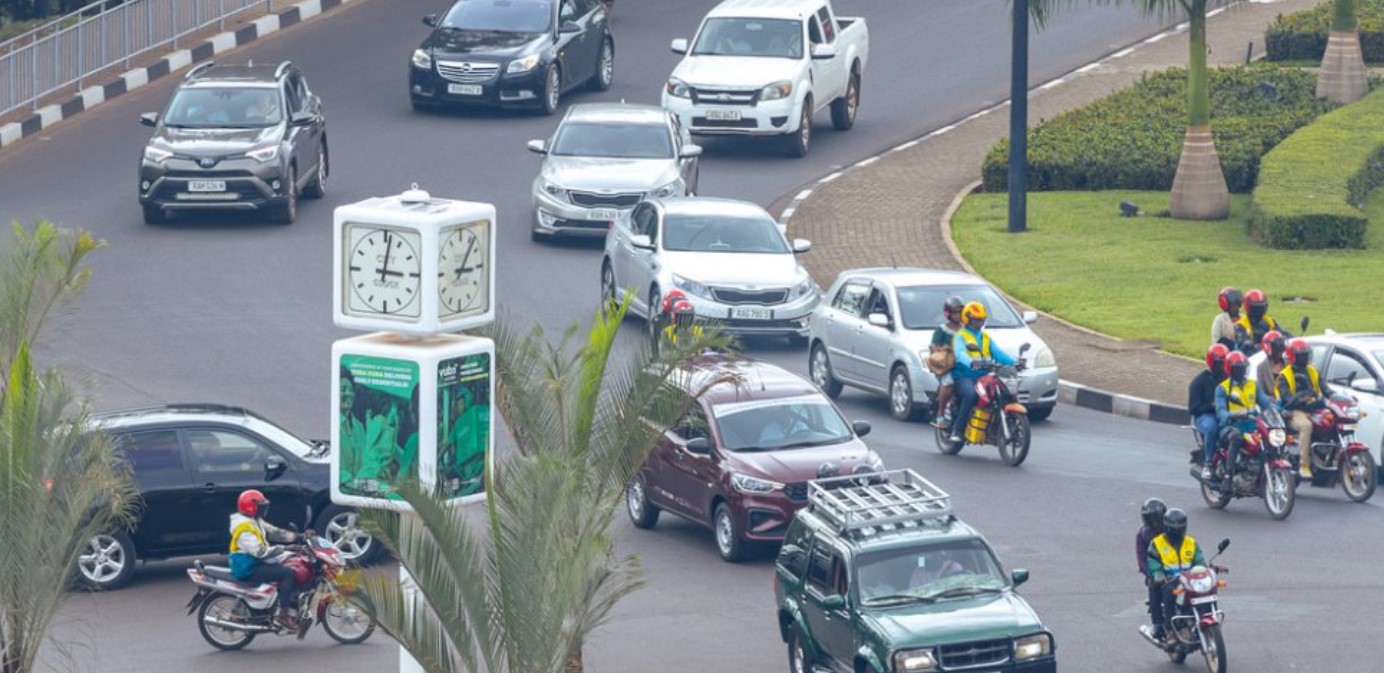
Rwanda’s Chamber of Deputies has passed a new road traffic law, replacing legislation that had been in force for 38 years. Lawmakers say the updated framework reflects modern transport realities and aims to reduce road accidents and fatalities.
Parliament approved the law on January 5, 2026, at 9:30 p.m. Seventy-seven deputies voted in favour after a full day of article-by-article debate. The new law replaces Law No. 34/1987 of September 17, 1987.
Lawmakers Say Reform Supports Road Safety
MPs said the reforms align with Rwanda’s development goals. They stressed that tougher penalties will deter intentional violations and encourage responsible driving.
The law introduces stronger enforcement mechanisms and relies more on technology to improve transparency, accountability and traffic management.
Tougher Penalties for Drunk Driving
Under Article 37, driving with a blood alcohol level above the legal limit of 0.80 grams per litre is an offence.
For drivers of public transport vehicles, school transport, staff transport, tourist vehicles, heavy trucks above 3.5 tonnes or income-generating vehicles, penalties include a fine of 100,000 to 400,000 Rwandan francs and three to six months in prison.
For other drivers, penalties include a fine of 150,000 to 300,000 francs and up to 10 days in prison, or one of the two.
If the blood alcohol level reaches at least double the legal limit, penalties increase. Offenders face a fine of 200,000 to 500,000 francs and three to six months in prison, or one of these penalties. Repeat offenders within one year receive the maximum sentence, which may be doubled.
Refusing Alcohol Tests Also Penalised
The law also criminalises refusal to take a blood alcohol test.
For higher-risk drivers, refusal carries a fine of 300,000 to 600,000 francs and three to six months in prison. For other drivers, penalties include a fine of 400,000 to 600,000 francs and up to 10 days in prison, or one of these.
Debate Over Prison Sentences
Some MPs raised concerns about jail terms. MP Christine Mukabunani argued that longer license suspensions and higher fines could be more effective than imprisonment.
MP Pie Nizeyimana also warned about possible psychological effects of incarceration.
However, the Chairperson of the Committee on Foreign Affairs, Cooperation and Security, Hope Gasatura Tumukunde, defended the strict penalties. He said lawmakers weighed the sanctions against the seriousness of offences and their threat to human life.
ALSO READ: MPs Debate Points-Based System for Traffic Offences
Other Serious Offences and Enforcement
Article 39 states that refusing to stop when ordered by a police officer or authorised official is an offence. Upon conviction, offenders face a fine of 400,000 to 700,000 francs and three to six months in prison.
Driving without a valid license carries a sentence of 15 to 30 days in prison and a fine of 100,000 to 200,000 francs, or one of the two.
For serious offences that threaten public safety, police must prepare case files and submit them to the National Public Prosecution Authority within the legal timeframe.
Administrative Fines and Appeals
A ministerial order will define administrative offences, fines and demerit points. Drivers issued administrative fines must pay within 30 days of notification.
Late payment attracts a 30 percent surcharge, payable within another 30 days. Failure to comply leads to vehicle impoundment.
However, offenders or vehicle owners may file an appeal in writing or through other authorised means. If authorities fail to respond within three days, the offence is cancelled.
Related posts:
 Gaza: Over 250,000 People Return Home Since Ceasefire Began
 Heart Diseases Can Be Prevented
 China Accuses U.S. of Long-Term Cyberattacks on National Time Agency
 WHO Universal Health Coverage Report Shows Billions Still Lack Access to Health Services
 The Rwandan digital ID will be issued to citizens, refugees, and foreign residents
 The Myth of “Hard Work Pays”: Why Effort Alone Isn’t Enough
 Israel Defies Trump’s Call, Kills 50 People in Gaza
 DR Congo, M23 Rebels Sign Landmark Deal in Qatar to End Eastern Conflict
 Mental Health and Harmful Beliefs
 Rwanda Moves to Establish a Social Protection System for Informal Workers
 Trump Appoints Dan Scavino to Lead White House Personnel Office, Names Sergio Gor Ambassador to India
 North Korea Unveils Hwasong20, Its Most Powerful Missile Yet
 Boris Johnson Calls for Revival of Rwanda Deportation Plan Over Digital ID Scheme
 Leaked Documents Allege Biden Family Involvement in Corruption Scandal in Ukraine
 The Evolution of Patriotism in Rwanda: A Legacy that Shapes Generations
 French Military Evacuates Madagascar’s President Rajoelina Amid Escalating Unrest
 Israel Says Gaza War Won’t End Until Hamas Is Disarmed
 Fred Gisa Rwigema: A Hero’s Sacrifice for Rwanda’s Peace
 President Samia Vows to Confront Those Intimidating Tanzanian Voters
 Airbus Surpasses Boeing in Passenger Aircraft Sales
One thought on “Rwanda Parliament Passes New Road Traffic Law”