



Smart glasses in 2026 have evolved into powerful wearable devices that combine augmented reality, artificial intelligence, and advanced optics. These devices no longer act as simple accessories. Instead, they function as productivity tools, entertainment systems, and content creation platforms.
Modern smart glasses fall into three main categories. Audio glasses deliver sound through built-in speakers. Augmented reality glasses project digital content into the user’s field of view. Camera focused glasses allow hands-free recording and live streaming.
As competition increases, manufacturers now focus on specialized features that match different user needs. Below are the top smart glasses available in 2026.
Top Smart Glasses in 2026
XREAL One Pro
The XREAL One Pro stands out as a high performance AR device designed for professionals and gamers. It offers a wide field of view and supports virtual multi screen setups.
The glasses feature spatial tracking that keeps digital screens fixed in place. Users can simulate a large desktop environment, which improves productivity and immersive gaming.
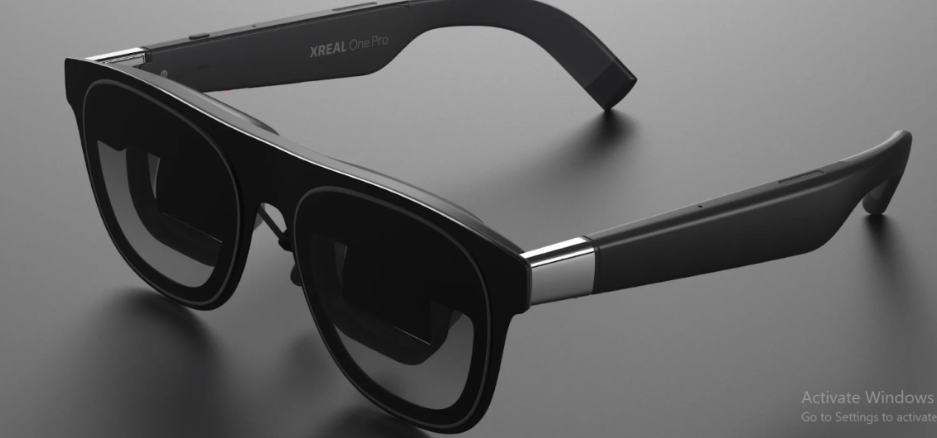
However, the premium price and lack of built-in vision adjustment may limit accessibility for some users.
RayNeo Air 4 Pro
RayNeo Air 4 Pro delivers strong performance at a more affordable price. It targets users who want high quality visuals and audio for entertainment.
The device includes a bright display, smooth refresh rate, and advanced audio tuning. It performs well for gaming and media consumption.
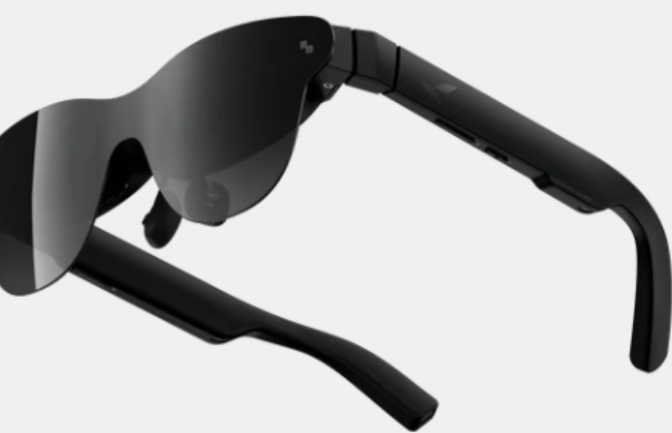
On the downside, it requires a wired connection and lacks full spatial tracking features.
Oakley Meta HSTN
Oakley Meta HSTN focuses on content creation and social sharing. It combines stylish design with practical features such as dual cameras and AI assistance.
Users can capture high resolution videos and access real time information through built-in AI tools. The glasses also offer strong battery life.
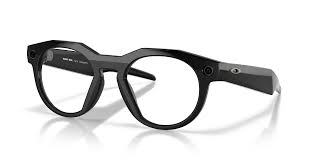
However, framing shots without a display preview can be challenging for some creators.
Ray Ban Meta Gen 2
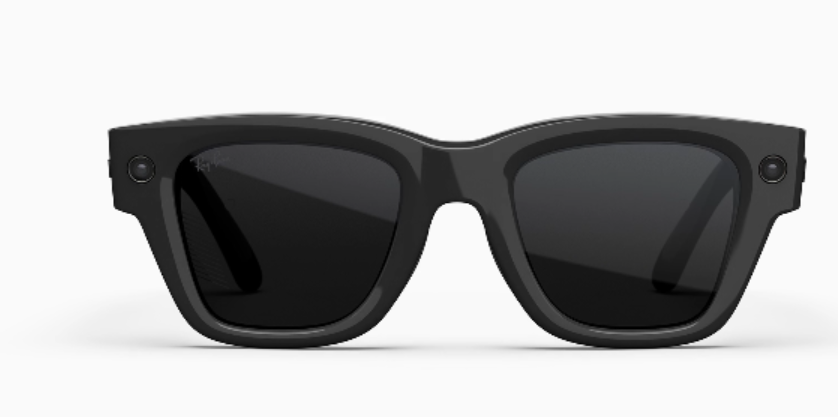
Ray Ban Meta Gen 2 balances design and functionality. It looks like traditional eyewear but includes camera, audio, and AI capabilities.
The glasses allow users to record videos, stream content, and interact with social platforms seamlessly. This makes them ideal for casual users and influencers.
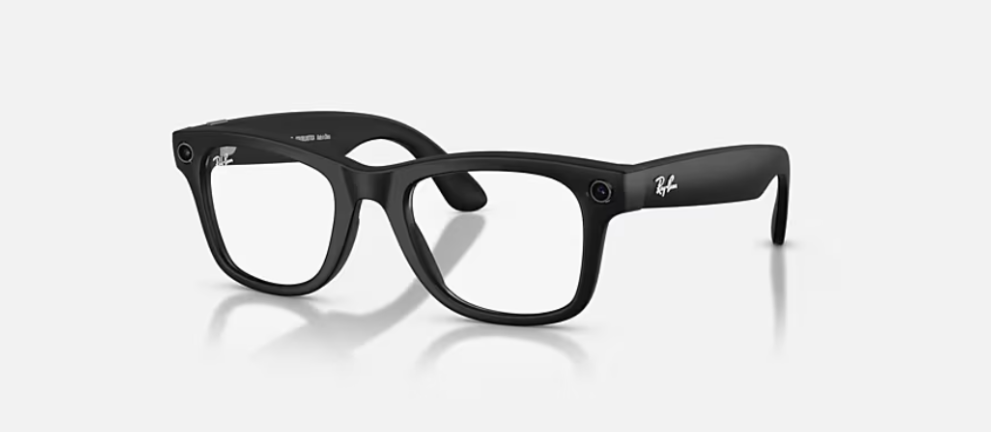
Audio leakage and occasional AI limitations remain minor drawbacks.
ALSO READ: The Return of Wired Headphones
VITURE Luma Pro
VITURE Luma Pro addresses one of the biggest challenges in smart glasses, vision correction. It includes built-in focus adjustment that supports nearsighted users.
The device delivers sharp visuals and eliminates the need for additional prescription lenses. This makes it a practical option for users who require vision support.
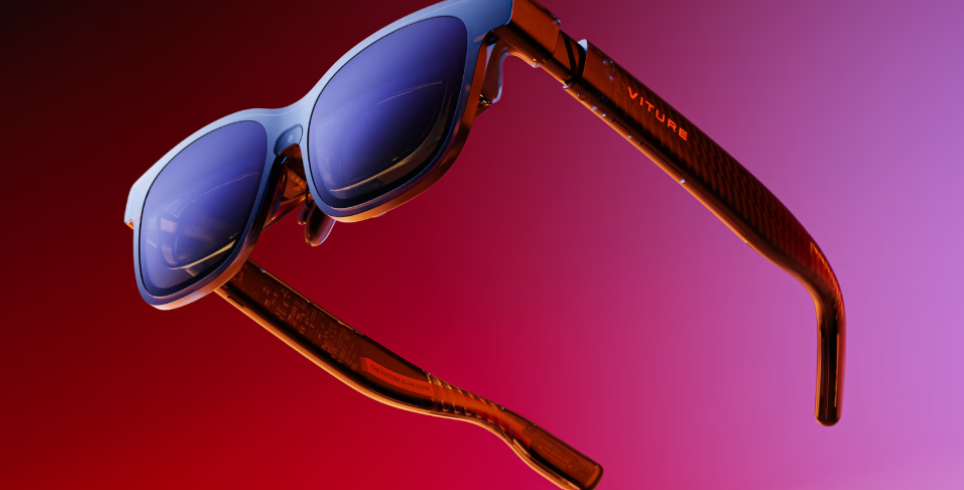
Its limited app support and camera functionality may restrict some use cases.
Oakley Meta Vanguard
Oakley Meta Vanguard is designed for outdoor and sports use. It features a durable build and waterproof design suitable for high intensity activities.
ALSO READ: Rwanda Among African Countries Set to Receive $40 Smartphones
The glasses include physical controls that are easy to use during movement. They also support video recording for athletes.
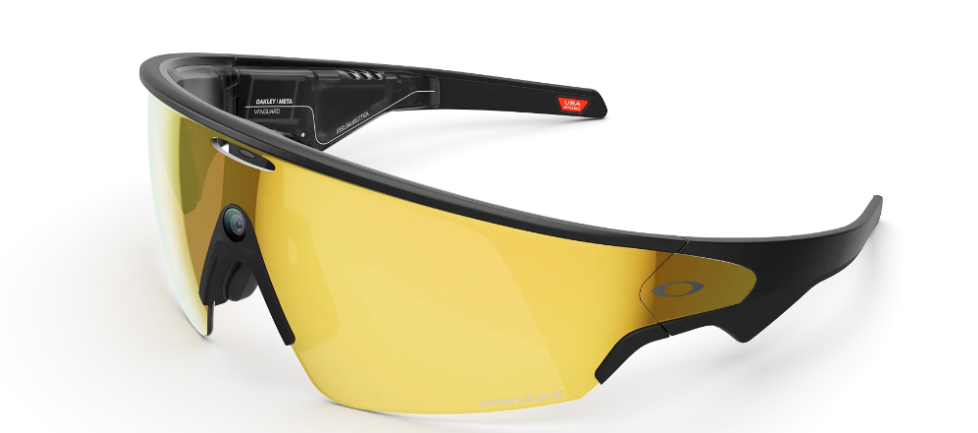
Battery life may decrease during heavy usage, especially when GPS features are active.
Meta Ray Ban Display
Meta Ray Ban Display introduces advanced waveguide technology that projects information directly onto transparent lenses.
The device supports gesture based control through a wristband and offers real time navigation and captions.
While innovative, it remains also limited by ecosystem restrictions and fewer third party integrations.
Why Smart Glasses Matter in 2026
Smart glasses now offer more than convenience. They provide three key advantages:
First, they may replace traditional screens by delivering large virtual displays anywhere. Users can work or watch content without carrying additional devices.
Second, they enhance perception through AI. Features such as translation, object recognition, and contextual information improve everyday interactions.
Third, they combine premium materials with advanced engineering. This ensures durability and long term usability.
Choosing the Right Smart Glasses
The best smart glasses depend on individual needs.
Professionals and gamers benefit most from advanced AR devices like XREAL One Pro.
Nearsighted users may prefer VITURE Luma Pro due to built-in vision adjustment.
Content creators and casual users can choose Ray Ban Meta Gen 2 for its balance of style and functionality.
Athletes should consider Oakley Meta Vanguard for durability and outdoor performance.
Budget conscious users can opt for RayNeo Air 4 Pro, which offers strong features at a lower cost.
Future Outlook for Smart Glasses
The smart glasses market is moving toward deeper AI integration and lighter hardware designs. Future devices may replace smartphones for many daily tasks.
As also technology improves, adoption will likely increase across industries such as healthcare, education, and remote work. Companies that combine usability, performance, and affordability will shape the next phase of wearable computing.
Related posts:
 Goma Residents Protest Against AFC/M23 Withdrawal From Uvira
 Bruce Willis’ Life Caught Between Survival and Decline
 US Suspends Visa Processing for 75 Countries
 Nyagatare: Woman Discovers Her Land Was Sold unknownly
 Why Galentine’s Day Might Be Better Than Valentine’s Day
 Uganda election results 2026: Museveni takes early lead as deadly violence erupts
 Eight Locations Announced for New Year Fireworks in Kigali
 71% of Rwandans Do Not Visit National Museums, Cultural Report Reveals
 Ugandan President Museveni re-elected to seventh term amid disputed election
 Mogadishu municipal elections mark historic step toward direct democracy in Somalia
 Man dies as tree crushes caravan during storm Goretti in Cornwall
 Colombia President Warns US Over Threats of Arrest Like Venezuela’s Maduro
 Veteran German Diplomat Visits M23-Held Goma
 The Return of Wired Headphones
 GATSIBO: Parents Abandoned After Giving Birth to Children With Disabilities
 7,000 Year Old Stone Wall Found Beneath the Sea in France
 Four killed, five injured in deadly head-on crash on Bolton’s Wigan road
 Life of Ugandan opposition leader Kizza Besigye in danger, wife warns
 When Faith Is Weaponized: Pope Leo’s Warning to World Leaders
 Nigeria: Gunmen Kill 30 Civilians in Niger State Attack