



Artificial intelligence companies face growing scrutiny from policymakers as governments explore how advanced technologies could support national security operations. Recent discussions in Washington, D.C., between technology leaders and lawmakers have highlighted the challenges of balancing innovation, military needs, and legal safeguards.
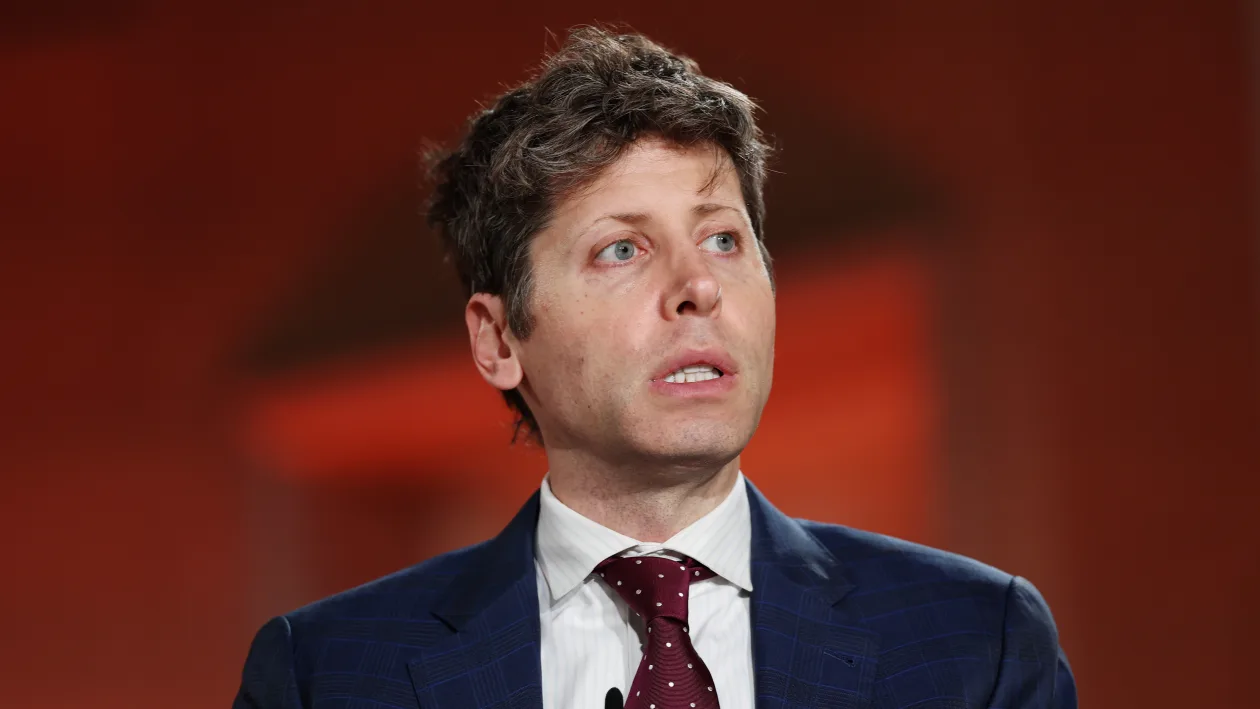
Sam Altman, chief executive of OpenAI, recently met with a small group of U.S. lawmakers to discuss the company’s collaboration with the United States Department of Defense. The meeting focused on how artificial intelligence might be used in defense systems and what protections should guide its deployment.
Lawmakers raise concerns about AI in warfare
Among the lawmakers present was Mark Kelly, a United States senator representing Arizona. In an interview with CNBC, Kelly explained that the discussion addressed serious questions about how AI technologies could influence military operations.
Participants examined topics such as digital surveillance and the possible role of AI within a military “kill chain”, a sequence of actions used to identify, track, and engage potential threats. Kelly described the meeting as productive but emphasized the need for strong legal and ethical safeguards.
He stressed that lawmakers must ensure AI systems comply with constitutional principles and operate within clearly defined limits. According to Kelly, Congress should play a direct role in setting those boundaries as the technology continues to advance rapidly.
OpenAI signs defense agreement amid industry tensions
The discussion followed a recent agreement between OpenAI and the Department of Defense. The partnership formed shortly after the Pentagon restricted cooperation with rival AI developer Anthropic.
Defense Secretary Pete Hegseth labeled Anthropic a supply chain risk to national security, which halted ongoing contract negotiations between the company and the defense department. Before the decision, Anthropic had worked with the agency on advanced AI systems deployed in classified government networks.
Reports indicate that negotiations broke down due to disagreements about how military authorities could use the technology. The Department of Defense requested unrestricted access to AI models for lawful military purposes. However, Anthropic sought guarantees that its systems would not support fully autonomous weapons or large scale domestic surveillance.
Safety principles remain central to AI debate
Following the breakdown in talks, Altman addressed the issue publicly and outlined OpenAI’s safety principles. He stated that the company strongly opposes domestic mass surveillance and supports maintaining human responsibility in decisions involving the use of force.
Altman noted that these principles form part of OpenAI’s agreement with the Department of Defense. The company also published a portion of the contract indicating that the government may use its AI systems for lawful purposes.
Despite that clause, OpenAI says technical safeguards, contractual language, and existing laws will prevent the use of its systems for fully autonomous weapons or widespread domestic surveillance.
Altman also emphasized the importance of cooperation between technology firms and democratic governments. He explained that companies can support public institutions while still advocating for responsible technology use.
Growing demand for regulation and oversight
The rapid development of artificial intelligence continues to outpace many regulatory frameworks. As a result, policymakers in Washington increasingly call for new legislation to address emerging risks.
Senator Kelly stated that Congress must help create clear rules governing how military agencies deploy AI tools. He acknowledged that legislative processes often move slowly, yet stressed that government institutions must adapt to keep pace with technological change.
Many technology analysts share this concern. AI systems now perform complex tasks such as data analysis, surveillance support, and strategic simulations. Without proper safeguards, these capabilities could raise ethical questions about accountability and transparency.
Strategic opportunities and risks for the AI industry
Partnerships between AI developers and defense institutions present both opportunities and challenges. On one hand, government collaboration can accelerate research, improve national security systems, and expand investment in advanced computing infrastructure.
On the other hand, military applications of AI may trigger ethical debates, public concern, and geopolitical competition. Companies must balance innovation with responsible governance to maintain public trust.
The recent tensions between OpenAI, Anthropic, and the Department of Defense illustrate how quickly policy decisions can reshape the competitive landscape of the AI sector.
Future outlook for AI governance
Experts expect the debate over military AI to intensify as governments integrate machine learning systems into defense strategies. Policymakers will likely increase oversight, while technology companies refine safety frameworks to address public concerns.
In the coming years, international cooperation, regulatory clarity, and transparent governance could determine how artificial intelligence shapes global security systems. For now, the discussion between lawmakers and technology leaders signals an important step toward defining those rules.
ALSO READ: Software firms reject claims that AI will replace the SaaS Industry
Related posts:
 Eight Locations Announced for New Year Fireworks in Kigali
 Goma Residents Protest Against AFC/M23 Withdrawal From Uvira
 Colombia President Warns US Over Threats of Arrest Like Venezuela’s Maduro
 Life of Ugandan opposition leader Kizza Besigye in danger, wife warns
 Nyagatare: Woman Discovers Her Land Was Sold unknownly
 Man dies as tree crushes caravan during storm Goretti in Cornwall
 Veteran German Diplomat Visits M23-Held Goma
 7,000 Year Old Stone Wall Found Beneath the Sea in France
 When Faith Is Weaponized: Pope Leo’s Warning to World Leaders
 US Suspends Visa Processing for 75 Countries
 Ashesi Graduate Faces Post-Graduation Plagiarism Penalty
 Why Galentine’s Day Might Be Better Than Valentine’s Day
 Ugandan President Museveni re-elected to seventh term amid disputed election
 GATSIBO: Parents Abandoned After Giving Birth to Children With Disabilities
 71% of Rwandans Do Not Visit National Museums, Cultural Report Reveals
 Mogadishu municipal elections mark historic step toward direct democracy in Somalia
 Bruce Willis’ Life Caught Between Survival and Decline
 Nigeria: Gunmen Kill 30 Civilians in Niger State Attack
 Uganda election results 2026: Museveni takes early lead as deadly violence erupts
 Four killed, five injured in deadly head-on crash on Bolton’s Wigan road