






Tesla is expected to begin selling its humanoid robots, known as Optimus, to the public by 2027, according to company CEO Elon Musk.
Musk made the announcement last week during his first-ever appearance at the World Economic Forum (WEF) in Davos, Switzerland. He said Tesla plans to introduce the robots to the commercial market before the end of next year.
“I think by the end of next year, we will have started selling humanoid robots to the general public,” Musk stated during the forum.
What is the Optimus Robot?
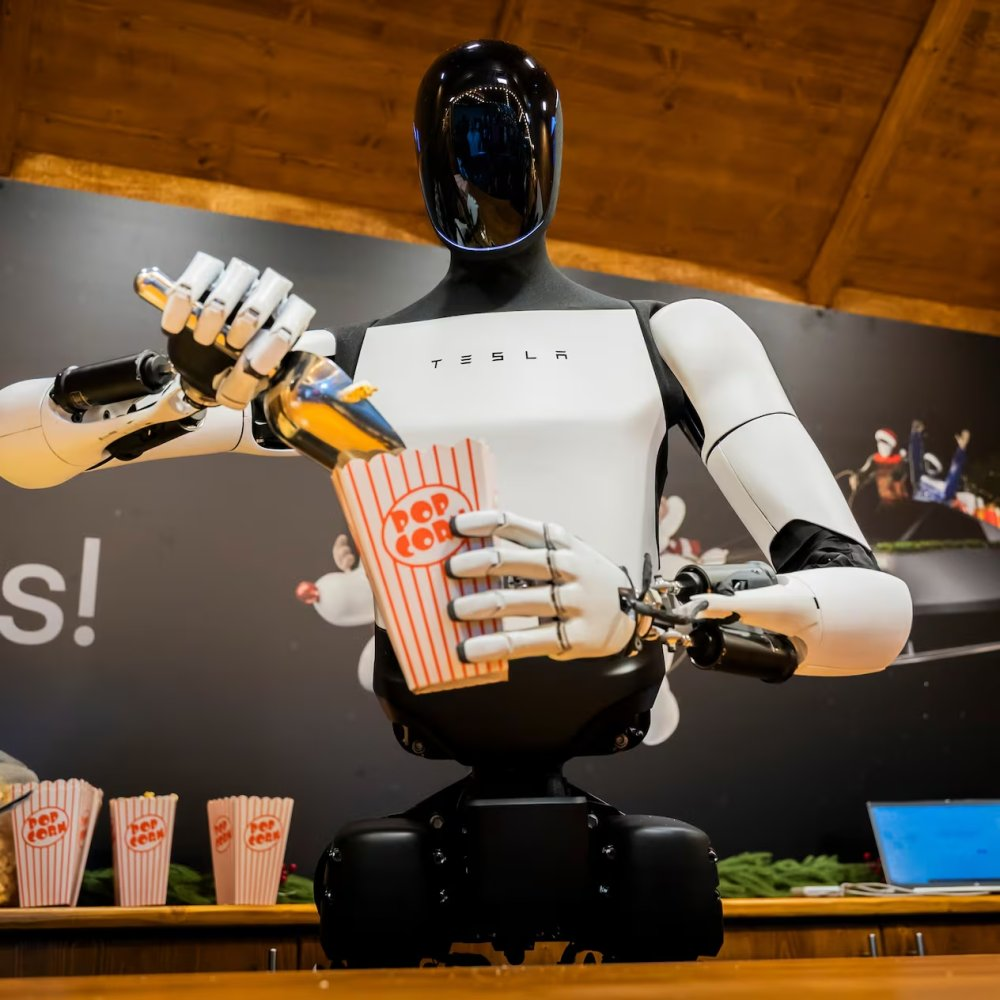
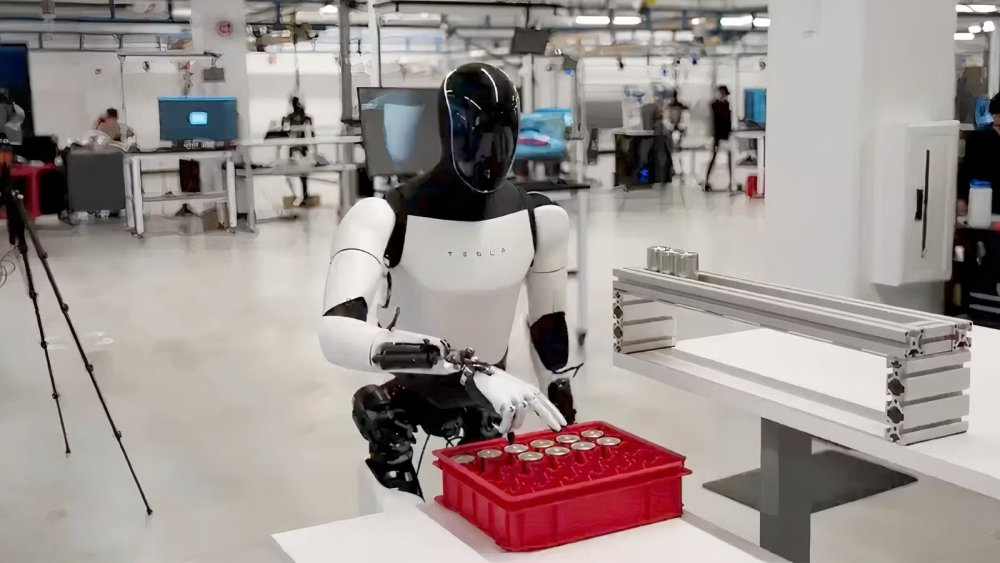
The Optimus Robot, also referred to as the Tesla Bot, is a humanoid robot developed by Tesla Inc. as part of its long-term artificial intelligence and automation strategy. The project aims to create robots capable of performing repetitive, dangerous, or physically demanding tasks currently done by humans.
Tesla envisions Optimus robots being widely used across multiple sectors, including households, factories, healthcare facilities, construction sites, airports, markets, and other public spaces.
Tesla’s ambitious production targets
Elon Musk has set an ambitious goal of producing one million Optimus robots. If this target is achieved, Musk is expected to receive a performance-based compensation package worth up to $1 trillion over ten years, as approved by Tesla shareholders in November 2025.
To support this plan, Tesla recently announced it would stop manufacturing Model S and Model X vehicles at its California factory. The production capacity will instead be redirected toward building Optimus robots.
Linking robots to space-based data centers
During his Davos speech, Musk also revealed plans to develop solar-powered data centers in space within the next three years. These space-based facilities would store and process massive amounts of data at lower costs while addressing global energy challenges.
Musk believes this innovation could support advanced AI systems, including the development and operation of Optimus robots, by providing scalable and energy-efficient computing infrastructure.
Potential impact on industries and daily life
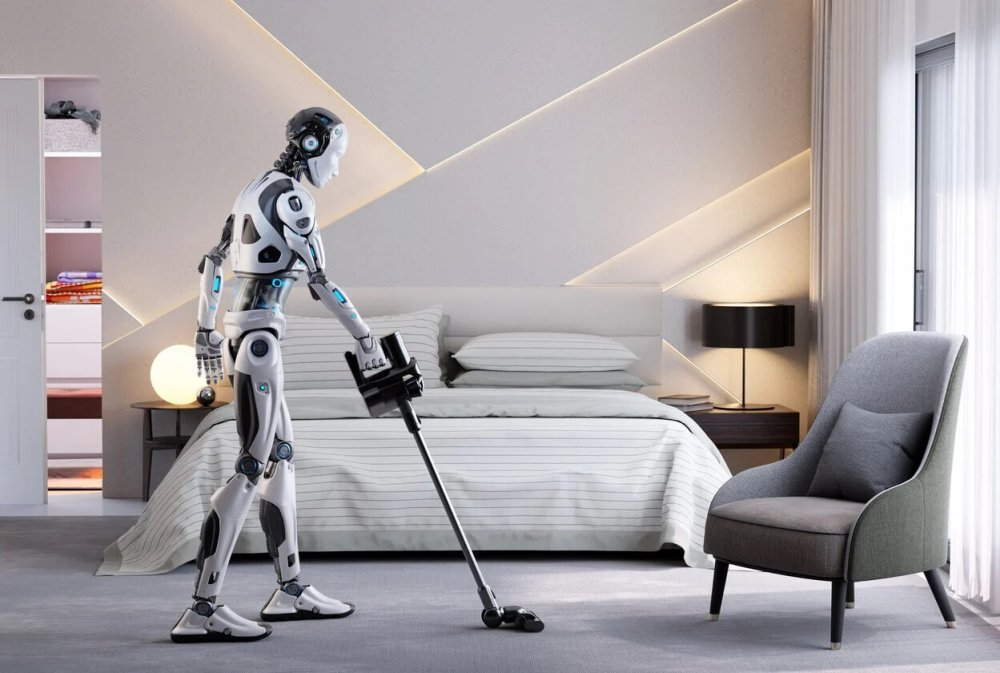
Optimus robots are expected to transform various industries by increasing productivity, reducing labor shortages, and improving workplace safety. In homes, the robots could assist with daily chores, caregiving, and other routine tasks.
In industrial and public settings, they may handle logistics, construction support, healthcare assistance, and customer services, reshaping how humans interact with machines.
If Tesla meets its timeline, the commercial launch of Optimus robots could mark a major milestone in the global robotics and artificial intelligence industry, positioning Tesla as a key player beyond electric vehicles.
Related posts:
 China and the United States Compete to Build Data Storage Facilities in Space
 Samsung Profits Surge Amid Soaring Global Demand for AI Technology
 China vs SpaceX: An Analysis of LandSpace’s Reusable Rocket Challenge
 How Close Is Rwanda to Becoming Africa’s FinTech Innovation Center?
 X Launches “About This Account” Feature to Boost Transparency and Fight Fake Profiles
 How AI Is Transforming App Creation Through “Vibe Coding”
 Grok Admits Security Flaw After AI-Generated Images of Minors Appeared on X
 President Kagame Pushes for Social Media Monetization in Rwanda
 Blue Origin Rocket Launches Two NASA Spacecraft Toward Mars
 AI Tutors Reshape the Future of Education
 Spotify Updates Its AI DJ Feature Here’s What’s New
 WhatsApp Starts Testing AI Feature on Android Beta!
 Rwanda invests 300 billion Rwf in towers: A solution to Internet issues
 Canada Voices Growing Worry It Could Be Next After Trump’s Greenland Signals
 Security Alert: Google Subpoena Scam Targets Users with Sophisticated Phishing Tactics
 Meta to Shut Down Messenger App on Mac and Windows by December 2025
 Companies Turn to AI for Smarter Decision-Making
 NASA Delays Artemis 2 Moon Mission Due to Severe Weather Conditions
 Russia Targets WhatsApp in Growing Battle With Foreign Tech Giants
 NSO Group Banned from Targeting WhatsApp Users Again