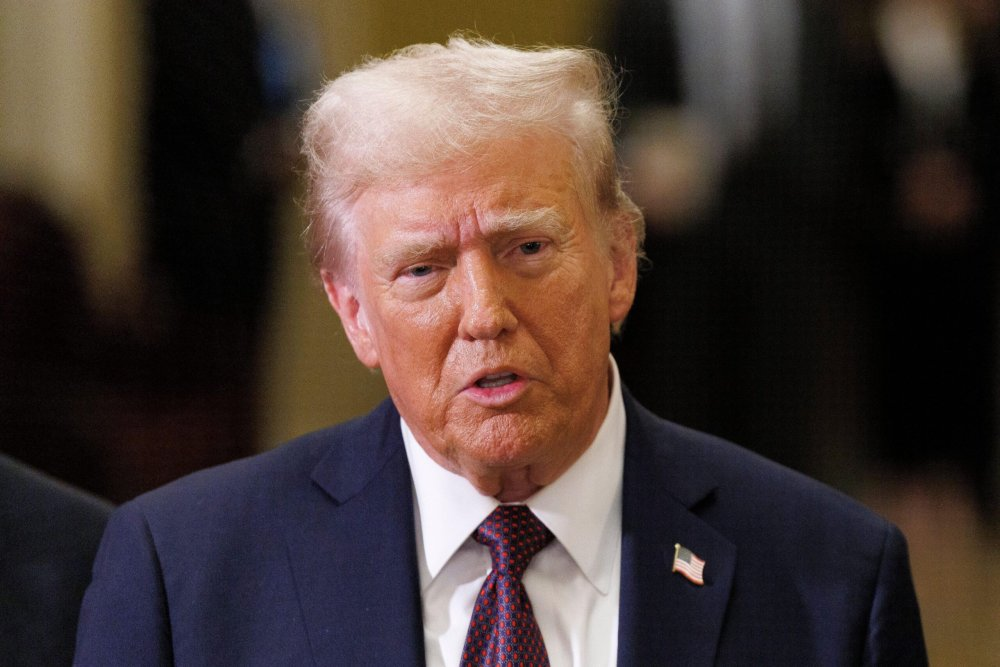

United States President Donald Trump has issued a strong warning to Venezuela’s new president, Delcy Rodríguez, threatening a second military strike if her government fails to meet Washington’s demands.
Trump said Venezuela’s current leadership must cooperate with the United States to restore order in the country. He warned that failure to do so would result in consequences more severe than those faced by former president Nicolas Maduro.
Trump Issues Ultimatum
Speaking in an interview with The Atlantic, Trump said Rodríguez would face harsher punishment than Maduro if she refuses to comply with US conditions.
“If she does not do what is right, she will pay a heavier price, even more than Maduro,” Trump said.
He added that critics who oppose the removal of Venezuela’s leadership should recognize that the current situation is better than what existed under previous rule.
Maduro Arrested in New York
Trump’s remarks came days after US authorities arrested Nicolas Maduro and his wife on January 3, 2026. The two were taken from their residence and flown to New York.
Maduro is expected to appear in court for the first time on January 5. He faces charges related to international drug trafficking.
Oil Interests at the Center of the Conflict
Observers believe Trump’s aggressive stance toward Venezuela is closely linked to the country’s vast oil reserves. Venezuela holds the world’s largest proven oil reserves, estimated at 303 billion barrels, much of which remains untapped.
In comparison, the United States has about 45 billion barrels of proven reserves.
The US currently produces around 13.5 million barrels of oil per day, while Venezuela produces about one million barrels daily.
Energy Consumption Gap
The difference is even greater in consumption. The United States consumes approximately 20 million barrels of oil per day, accounting for about 20 percent of global oil demand.
Venezuela, by contrast, consumes only about 325,000 barrels per day.
Analysts argue that control over Venezuela’s oil resources remains a key factor shaping US policy toward the South American nation.