




Women in Rwanda’s Southern Province have been urged to take a leading role in environmental protection, as officials and community leaders emphasize their critical contribution to sustainable development, climate resilience, and family welfare.
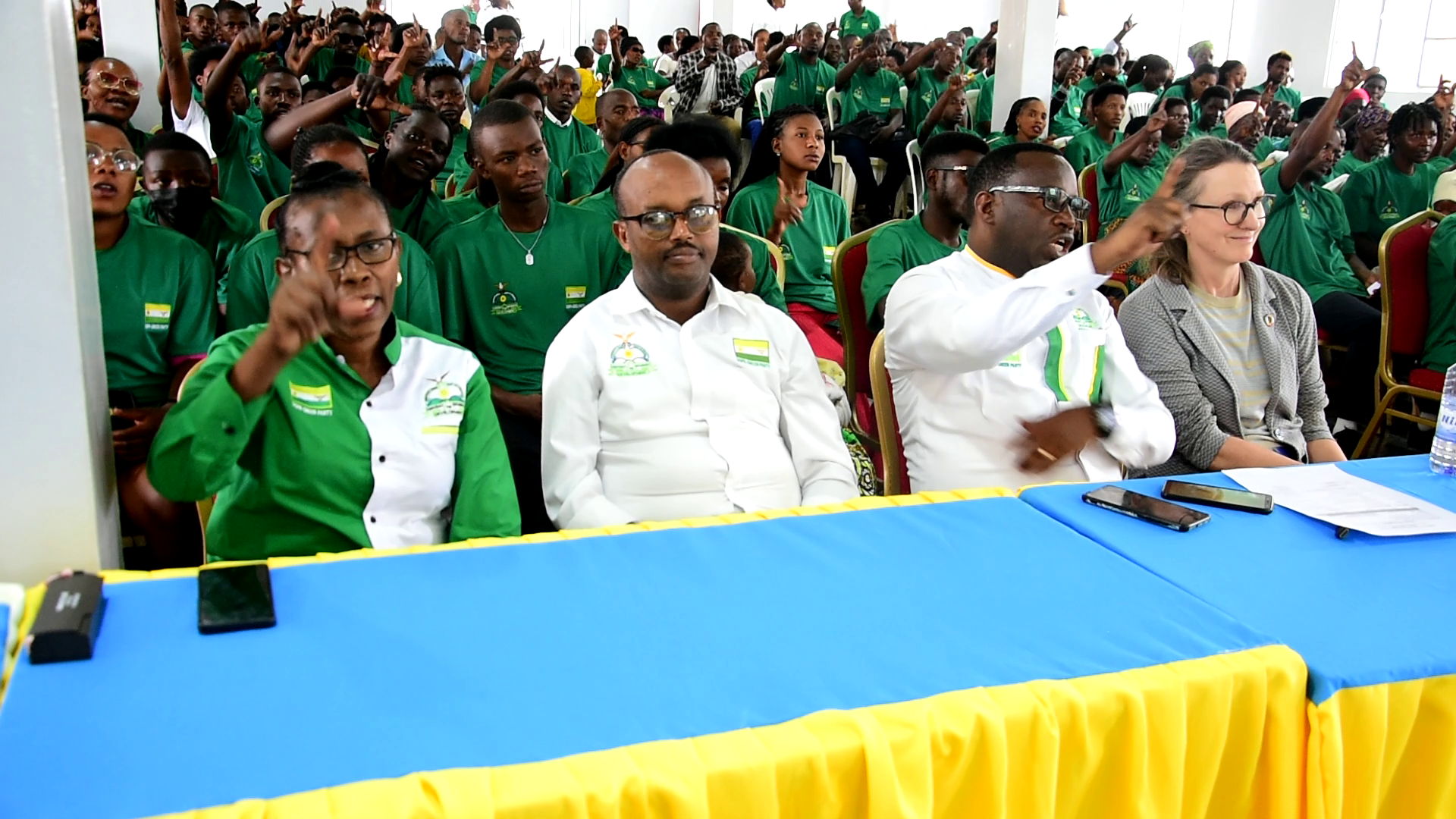
The call was made during a provincial congress organized by the Green Party of Rwanda, which brought together women members to strengthen initiatives aimed at conserving natural resources and addressing climate-related challenges.
Women Bear the Brunt of Environmental Degradation
Participants at the congress highlighted that environmental degradation affects women more than any other group, particularly those living in rural areas. Soil erosion, deforestation, water shortages, and climate shocks directly impact women’s daily responsibilities, including farming, water collection, and household care.
Kankwanzi Claudine, a resident of Muhanga District, said environmental protection has a direct impact on household income and food security.
“Protecting the environment benefits us directly. When I grow avocado and other fruit trees, I earn income that helps me support my family and meet basic needs,” she said.
She added that environmental conservation enables women to become economically independent and more resilient to climate-related shocks.
Training Key to Sustainable Agriculture
Women leaders also stressed the need for increased training in sustainable and climate-smart agriculture. Uwihanganye Jeannine, from Gisagara District, noted that although women form the majority of the agricultural workforce, many lack access to modern farming techniques.
“Women make up the majority of farmers, yet agriculture is sometimes practiced without proper techniques,” she said. “Training would help us protect our soil and forests while increasing productivity.”
She explained that better knowledge would enable women to play a stronger role in environmental protection, climate adaptation, and community development.
Women Central to Climate Action, Says Green Party
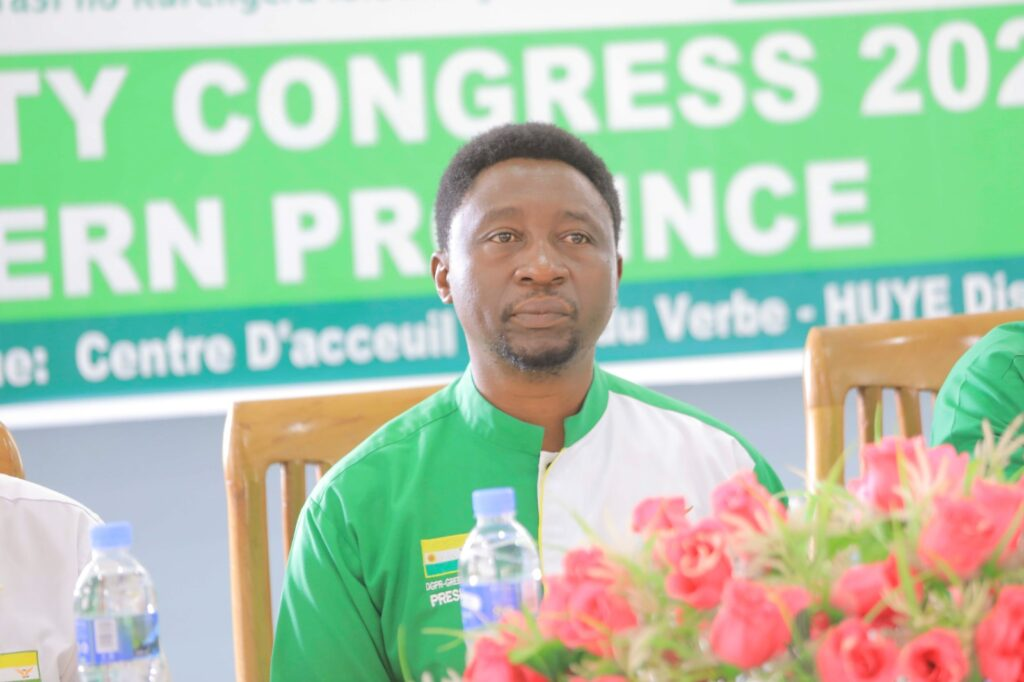
Speaking at the event, Dr. Frank Habineza, President of the Green Party of Rwanda and a Senator in Rwanda’s Parliament, emphasized that empowering women is essential for environmental sustainability.
“Women are the backbone of families. When the environment is damaged, they are the first to feel the impact,” he said. “They collect firewood, fetch water, and care for children.”
Dr. Habineza added that climate-related disasters such as floods, droughts, and extreme weather conditions place additional burdens on women, who are often responsible for maintaining household stability.
Passing Environmental Values to Future Generations
He further noted that women play a crucial role in shaping the environmental values of future generations.
“Because women spend more time with children, they are well positioned to instill a culture of environmental responsibility from an early age,” he said.
According to Dr. Habineza, empowering women with environmental knowledge is one of the most effective ways to ensure long-term environmental protection.
Rwanda Faces Growing Environmental Challenges
Globally, climate change, rising temperatures, and environmental pollution remain major concerns. In Rwanda, soil erosion and deforestation continue to threaten agricultural productivity and water systems. Large amounts of fertile soil are frequently washed into the Nile River basin, reducing land fertility and increasing food insecurity.
Environmental experts warn that illegal logging, unsustainable land use, and poor farming practices have worsened the situation in many parts of the country.
Calls for Stronger Environmental Measures
To address these challenges, stakeholders at the congress called for stronger and more inclusive measures, including:
- Expanding environmental training programs for women
- Promoting sustainable and climate-smart agriculture
- Increasing nationwide tree-planting initiatives
- Strengthening soil conservation efforts
- Integrating environmental education into school curricula
Officials emphasized that empowering women in environmental protection is a cornerstone of Rwanda’s long-term development strategy.
Through targeted training, access to finance, and partnerships with public and private institutions, women are expected to play an increasingly influential role in safeguarding natural resources and building climate-resilient communities.
While environmental protection remains a shared responsibility, women in Rwanda continue to emerge as key drivers of sustainable development, climate action, and environmental conservation.
Related posts:
 Germany Defends Greenland’s Sovereignty after Trump’s speech
 Socialist Party support in Venezuela weakens after Maduro’s capture
 NATO Secretary General Says Europe Is Fortunate to Have Trump in Power
 Life of Ugandan opposition leader Kizza Besigye in danger, wife warns
 Uganda election violence: At least seven killed as Museveni secures majority
 Touadéra Re-elected President of Central African Republic
 UK–China Relations Enter New Phase as Starmer Seeks Reset
 Iran State TV Hack: Hackers broadcast exiled crown prince Amid protests
 Trump to Meet Colombian President at White House
 Trump Pushes Greenland Purchase Talks, Refuses to Rule Out Military Action
 Trump Announces U.S. Withdrawal from U.N. Agencies
 Khamenei warns protesters as Iran faces widespread internet blackout
 Uganda election results 2026: Museveni takes early lead as deadly violence erupts
 Trump Warns Venezuela’s New President, Threatens Second Military Strike
 MPs Debate Points-Based System for Traffic Offences
 Zelensky Ukraine Russia US talks seen as step toward ending war
 China, Russia & Iran Exercises Begin in South Africa
 Trump Warns UK Over Closer China Ties
 New START Treaty Expiry Alarm: Medvedev Warns World of Unchecked Nuclear Powers
 Ukraine, France and UK Sign Declaration on Multinational Forces