


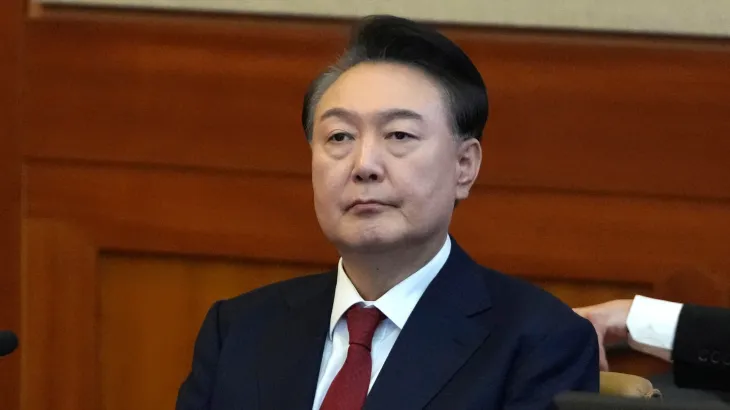
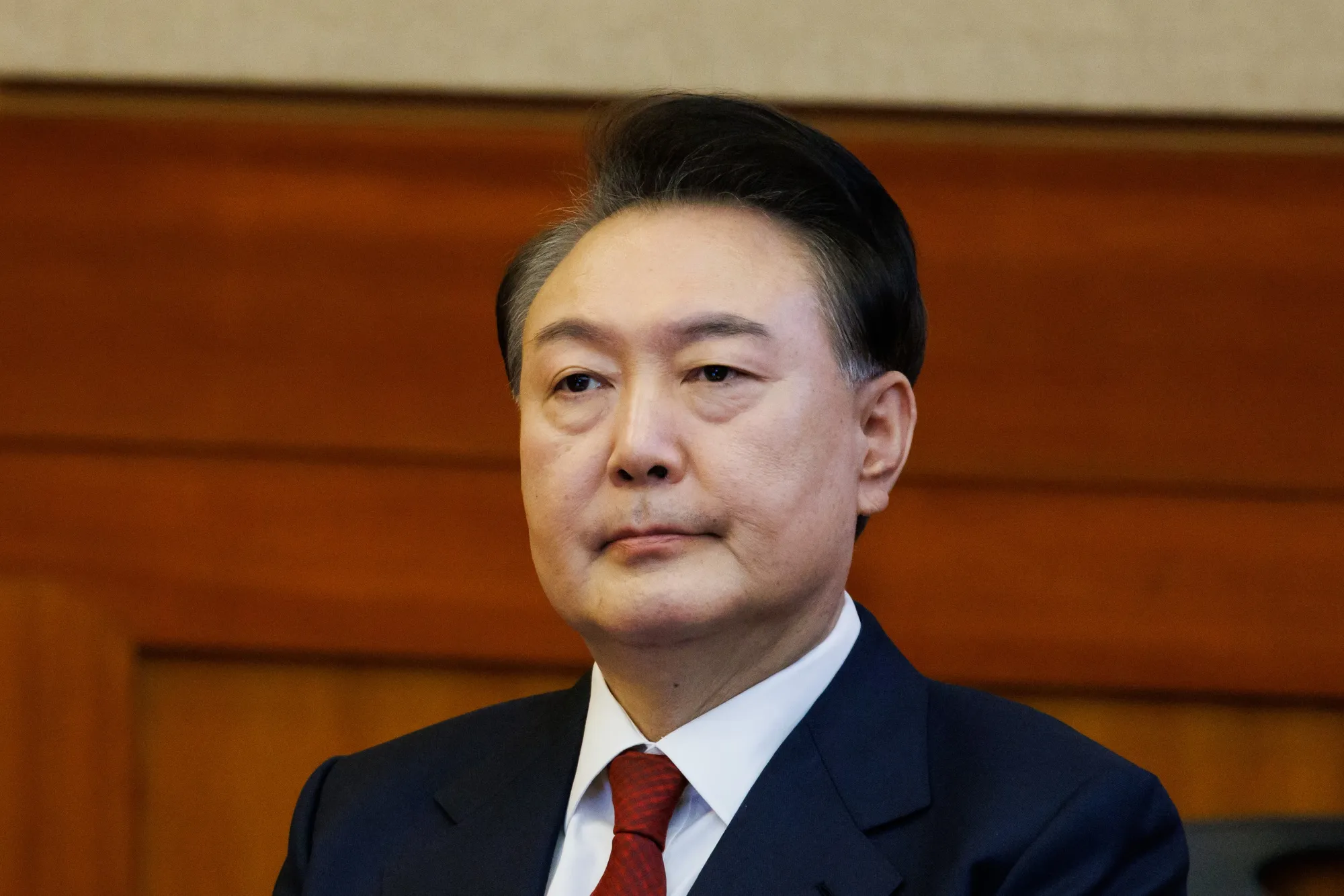
A Seoul court has sentenced former South Korean president Yoon Suk Yeol to life imprisonment for leading what judges described as an insurrection. The ruling follows his failed attempt to impose martial law on 3 December 2024.
The court found that Yoon violated the constitution by ordering military troops to seal off the National Assembly and by directing the arrest of elected politicians. Presiding judge Ji Gwi-yeon said his actions seriously damaged South Korea’s democratic system and warranted severe punishment. Prosecutors had requested the death penalty.
Court Ruling and Political Fallout
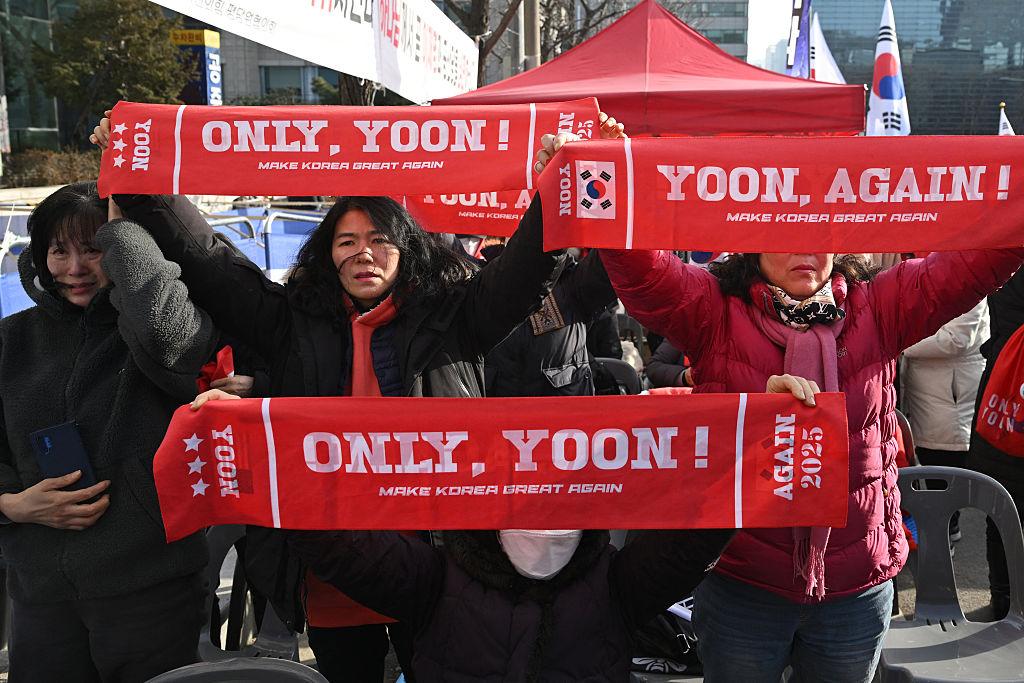
The verdict came amid strong political tension. Large groups of Yoon’s supporters gathered outside the courthouse, holding banners and calling for his return. Many reacted emotionally after the life sentence was announced. At the same time, anti-Yoon demonstrators demanded capital punishment.
Yoon showed no visible reaction in court. His legal team argued that the ruling lacked solid evidence and claimed the judgment followed a predetermined script. If either side appeals, the case will move to the Supreme Court, meaning a final decision could take several months.
The Martial Law Declaration
On 3 December 2024, Yoon declared martial law during a live television address. He said the move was necessary to protect the country from “anti-state” forces linked to North Korea. However, political analysts noted that he faced strong domestic pressure at the time.
The opposition party controlled parliament, limiting his ability to govern. In addition, his wife, Kim Keon Hee, faced multiple corruption allegations. Within hours of the declaration, lawmakers forced their way into the National Assembly and voted to overturn the order. Yoon then withdrew the measure.
Wider Investigations and Sentences
The failed martial law attempt triggered months of political instability. Lawmakers impeached Yoon, and prosecutors filed multiple charges against him and senior officials.
Former prime minister Han Duck-soo received a 23-year prison term for his role. Ex-defence minister Kim Yong-hyun was sentenced to 30 years for advising the martial law decision. Other officials, including former interior minister Lee Sang-min, former intelligence commander Roh Sang-won, and ex-police chief Cho Ji-ho, also received prison terms.
Judges described the case as “an insurrection from the top,” pointing to coordinated actions among senior officials.
National Division and Legal Uncertainty
Security around the courthouse remained tight, with around 1,000 officers deployed and police buses forming barriers to control crowds. The political divide was clear inside and outside the courtroom.
Yoon defended his actions during the trial. He argued that the constitution granted him authority to declare martial law and claimed he acted to protect national sovereignty. Meanwhile, the ruling Democratic Party criticized the life sentence as too lenient and insisted that the severity of the offense justified capital punishment.
South Korea has not carried out an execution since 1997. Even if the court had imposed the death penalty, it would likely have meant life imprisonment in practice.
Yoon is already serving time for abuse of power and obstructing his arrest. He still faces three additional trials connected to the martial law attempt. Although several former South Korean presidents were convicted in the past, many later received pardons after serving part of their sentences. Observers say a similar outcome remains possible in this case.
Related posts:
 Rwanda Welcomes 382 Returnees Freed from FDLR Captivity in DR Congo
 Jimmy Kimmel calls Trump a ‘puppy of a dog’
 Kigali City Begins Early Preparations for Christmas Decorations
 Trump Sends U.S. Spies to Venezuela
 Rwanda receives more than 270 nationals who were stranded in DR Congo
 YouTube to Pay $24.5 Million in Settlement of Trump Lawsuit
 Taxi-Moto Riders Complain About Faulty Batteries at Swap Stations
 UN chief welcomes Hamas’ statement on U.S. Gaza proposal
 DR Congo, M23 Rebels Sign Landmark Deal in Qatar to End Eastern Conflict
 President Kagame Appoints Col Rwagasana Sankara and Viviane Mukakizima to New Senior Roles
 Epstein Survivors Demand Full Release of Investigation Files
 Uganda: Over 78% of Teenage Girls Have Had Sexual Intercourse
 Ukraine Launches Drone Attack on Russian Power Plant
 Growing Calls for Macron’s Resignation in France
 Only 8,000 students will be admitted in UR
 Australia Sunscreen Scandal Expands as More Products Pulled from Shelves
 Why the U.S. Government Suspended Some Operations Due to Budget Issues
 Netanyahu Seeks Another Term
 WASAC moves water connection services to IremboGov platform
 Trump Could Meet Kim Jong Un During Upcoming Asia Tour