



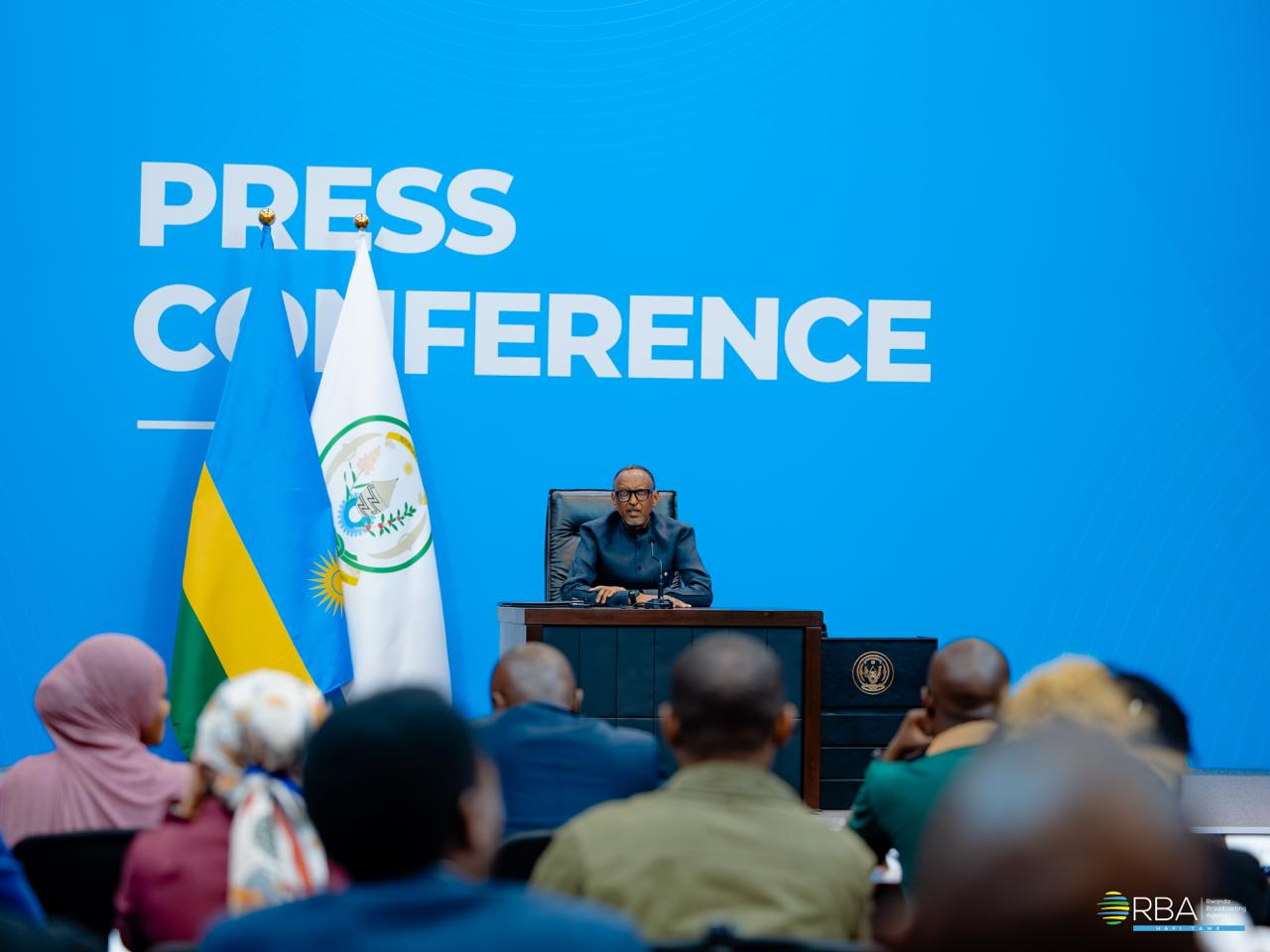

Rwandan government employees across various sectors are undergoing training in artificial intelligence (AI) to improve daily work efficiency and integrate AI into public service delivery. The program, launched in mid-December 2025, initially required participants to complete basic AI courses by December 31, 2025. The Ministry of Public Service and Labor later extended the deadline to January 15, 2026.
The training covers essential AI skills, helping employees streamline tasks, analyze data, and improve service delivery to citizens.
Using AI to complete tests
While some employees fully engage with the coursework, others have found shortcuts. A significant number reportedly use AI tools such as ChatGPT, OpenAI, and Gemini AI to answer test questions, bypassing traditional study methods.
One employee from the Eastern Province explained,
“I have eight certificates now. I didn’t spend much time studying. I opened two tabs on my computer one with the test, the other with ChatGPT. It’s faster than reading through all the material.”
This method allows employees to complete the AI courses quickly, but it raises concerns about actual learning and whether the knowledge will translate into better service for citizens.
Employees completing training the traditional way
Other government workers remain committed to completing the courses properly. Jean Paul Niyonshuti, a teacher in Rwamagana District, at Ecole Primary Kaduha Protestant dedicated mornings and evenings to finish the training over two weeks. He emphasized the challenge of limited internet access but successfully earned all certificates by investing focused effort.
“I studied intensively, even without much sleep, to complete the courses. The biggest challenge was internet connectivity during the day,” he said.
Citizens concerned about public service
Some citizens have reported reduced efficiency in public services, attributing it to employees prioritizing AI coursework over their duties. A caller to Radio B&B FM stated:
“Children aren’t learning at school, and local government offices are slow. Employees are too focused on getting AI certificates rather than helping citizens.”
Ministry emphasizes AI as a tool, not a replacement
Minister of Public Service and Labor, Amb. Christine Nkulikiyinka, explained that the AI training aims to enhance employees’ efficiency rather than replace them. She said:
“AI is transforming how we work globally. For government employees, it helps improve decision-making, service delivery, and analysis but it cannot replace human responsibility. Learning to use AI properly is crucial.”
Artificial intelligence has been applied in workplaces worldwide since the 2000s, but its origins trace back to the 1950s, as noted by British computer scientist Alan Turing.
MORE STORIES:
 OpenAI Shuts Down Sora and Ends $1 Billion Partnership with Disney
 AI Sparks Debate on Human Creativity
 SAP Report Warns Africa Must Accelerate AI Skills Development
 How eNdangamuntu Will Help Rwanda Ban Social Media for Under 16
 AI Capabilities and Limits: Generative AI, NLP, AGI Explained
 Governments Push for Responsible AI Laws
 Zoom Tackles Rising Threat of AI Deepfakes
 Is AI Helping or Hindering Rwanda’s Graduates?
 AI-Powered Training Initiative Transforms Public Service
 Anthropic sues pentagon to challenge AI security blacklist
This is a very good tips especially to those new to blogosphere, brief and accurate information… Thanks for sharing this one. A must read article.
very nice post, i certainly love this website, keep on it
888SLOT tự hào là biểu tượng của sự uy tín và đẳng cấp trong lĩnh vực cá cược trực tuyến tại khu vực Châu Á. Với bề dày kinh nghiệm, chúng tôi mang đến hệ thống bảo mật SSL 128-bit tối tân, đảm bảo mọi giao dịch của quý khách hàng luôn được bảo vệ trong môi trường an toàn tuyệt đối. TONY05-03