


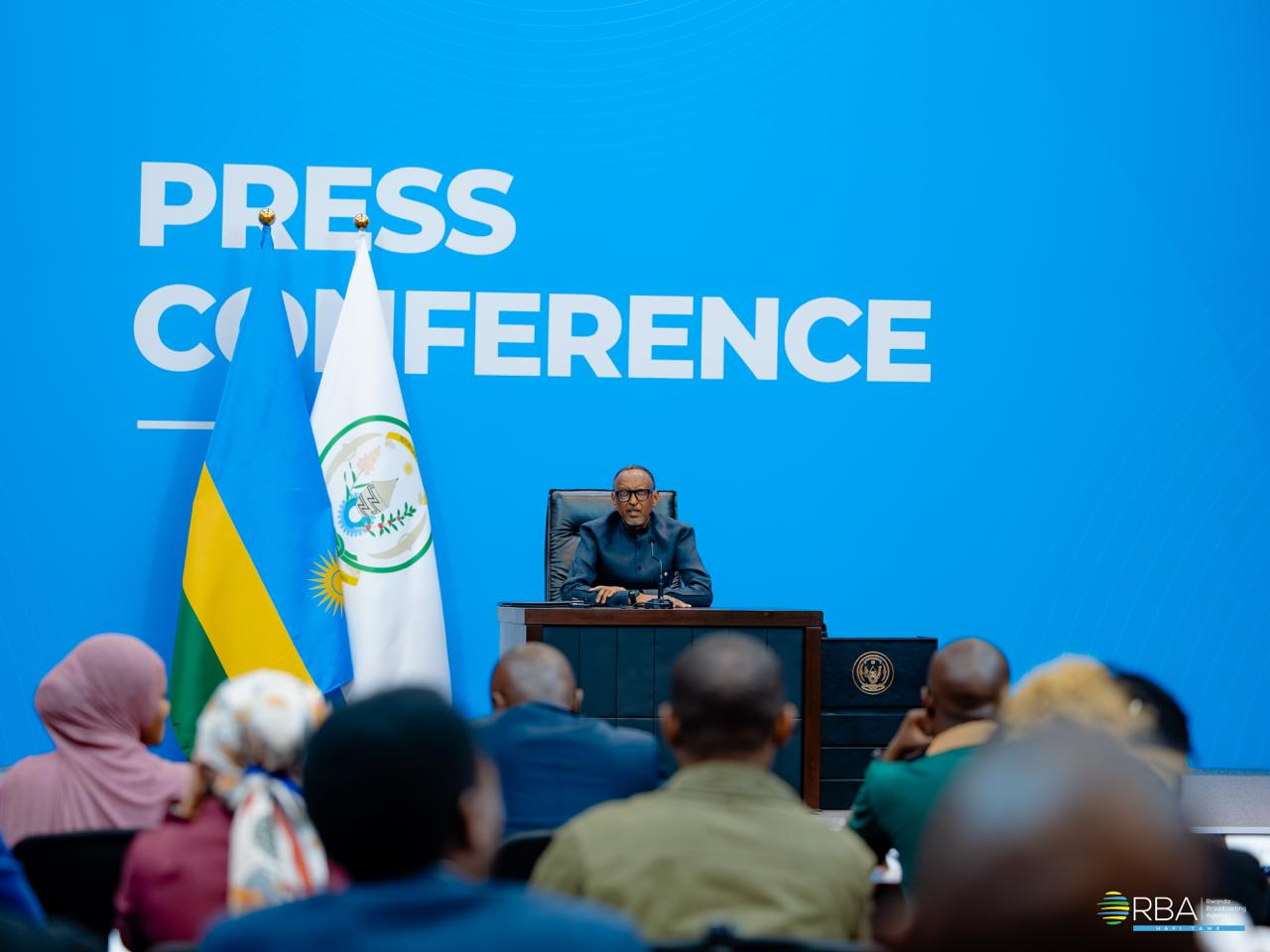
The Government of Rwanda has announced plans to reduce the high cost and limited supply of animal feed by increasing local production and cutting reliance on imports, according to the Minister of Agriculture and Animal Resources, Dr. Telesphore Ndabamenye.
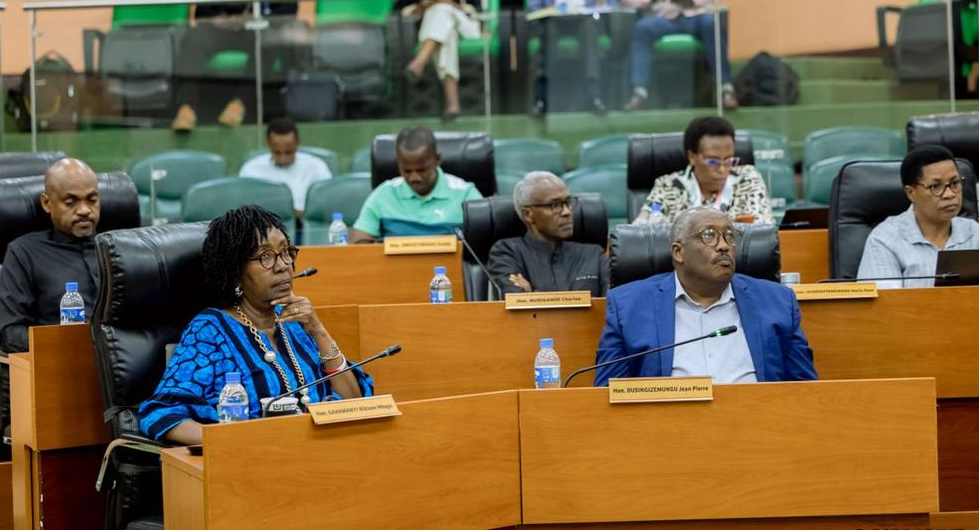
The minister made the remarks on January 19, 2026, while addressing members of the Rwandan Senate during discussions on the progress and challenges facing the livestock sector.
Boosting Livestock Production Nationwide
Dr. Ndabamenye said Rwanda is continuing to invest heavily in livestock development, including cattle, small livestock, poultry, and aquaculture, with the goal of increasing national productivity.
Farmers are being supported to access improved animal breeds, particularly dairy cows with higher milk and meat yields. The government is also preparing to launch a livestock technology project that will use embryo transfer techniques to speed up genetic improvement in cattle.
In aquaculture, fish production is expected to increase from 52,000 tons in 2025 to 77,000 tons by 2029. Egg production is also projected to rise from 17,000 tons in 2024 to 21,000 tons in the coming years.
Animal Feed Remains a Major Challenge
Despite these gains, the minister emphasized that expanding livestock numbers must go hand in hand with adequate and affordable animal feed.
“Some animal feed ingredients are locally available, but others are imported,” Dr. Ndabamenye said. “To reduce this gap, we must strengthen local production so that imports decline.”
He explained that imported feed ingredients are costly due to transport and logistics expenses, making feed unaffordable for many farmers and limiting livestock productivity.
Underutilized Feed Processing Factories
Rwanda already has several animal feed processing factories. However, the minister noted that most are operating far below their full capacity.
“Most factories are working at only 32 to 60 percent of their capacity,” he said. “This is not satisfactory if we want to meet national demand for animal feed.”
Dr. Ndabamenye added that increasing factory utilization to 80 or 90 percent would significantly improve feed availability and stabilize prices.
Using Agricultural By Products Locally
Animal feed production in Rwanda relies heavily on by-products from industries that process maize, rice, soybeans, and sugarcane.
The government wants these by-products to be properly collected, stored, and sold locally, instead of being exported and later re-imported as expensive finished feed.
According to data from MINAGRI, maize by-products stood at 38,044 tons in 2024 and are projected to reach 70,560 tons by 2029. Rice by-products are expected to increase from 859,516 tons to 1.3 million tons, while sugar industry by-products could grow from 2,726 tons to 7,098 tons over the same period.
Focus on Quality and Investment
Dr. Ndabamenye stressed that increasing supply must not compromise feed quality, warning that substandard feed can cause serious losses for farmers.
“We want farmers to access sufficient animal feed,” he said. “But quality control is essential, because poor-quality feed leads to low productivity and financial losses.”
He added that the government is working to encourage private investment in feed production and distribution, while improving storage infrastructure across the country.
Senate Raises Quality Concerns
Senators Peragie Uwera and Dr. Leatitia Nyinawamwiza echoed concerns about the quality of animal feed, describing it as a growing issue that needs urgent attention.
They noted that field visits have given lawmakers a clear picture of the realities facing livestock farmers and emphasized the need for strong regulation and enforcement.
Aiming for Sustainable Livestock Growth
The government believes that increasing local feed production, improving factory capacity, and strengthening quality standards will help Rwanda achieve sustainable livestock growth, reduce production costs, and improve farmer incomes.

MORE STORIES:
 Apply for clinical role job
 Eric Trump, Justin Sun, and Nicolas Kokkalis Set to Headline Consensus 2025: A Landmark Crypto Industry Event
Job Opportunities at National Child Development Agency
Eric Trump, Justin Sun, and Nicolas Kokkalis Set to Headline Consensus 2025: A Landmark Crypto Industry Event
Job Opportunities at National Child Development Agency
 The Power of Community: How Pi Network’s GCV Ecosystem Is Redefining Crypto Value
Job: MTN Rwanda is hiring
The Power of Community: How Pi Network’s GCV Ecosystem Is Redefining Crypto Value
Job: MTN Rwanda is hiring
 Japan Could Soon Have Its First Female Prime Minister
Job opportunities: Apply for jobs at BRAC Rwanda
Japan Could Soon Have Its First Female Prime Minister
Job opportunities: Apply for jobs at BRAC Rwanda
 Pi Network Gears Up for Game Changing Announcements at Consensus 2025
 Rwanda Moves to Establish a Social Protection System for Informal Workers
 Huye: Residents Say Access Roads Left Them Landless Without Compensation
Mình khá thích cách cricfy download bố trí trò chơi, tìm kiếm rất nhanh. TONY08-03
Bài viết này khá hữu ích cho ai đang tìm hiểu về 188v nhà cái . TONY08-03