



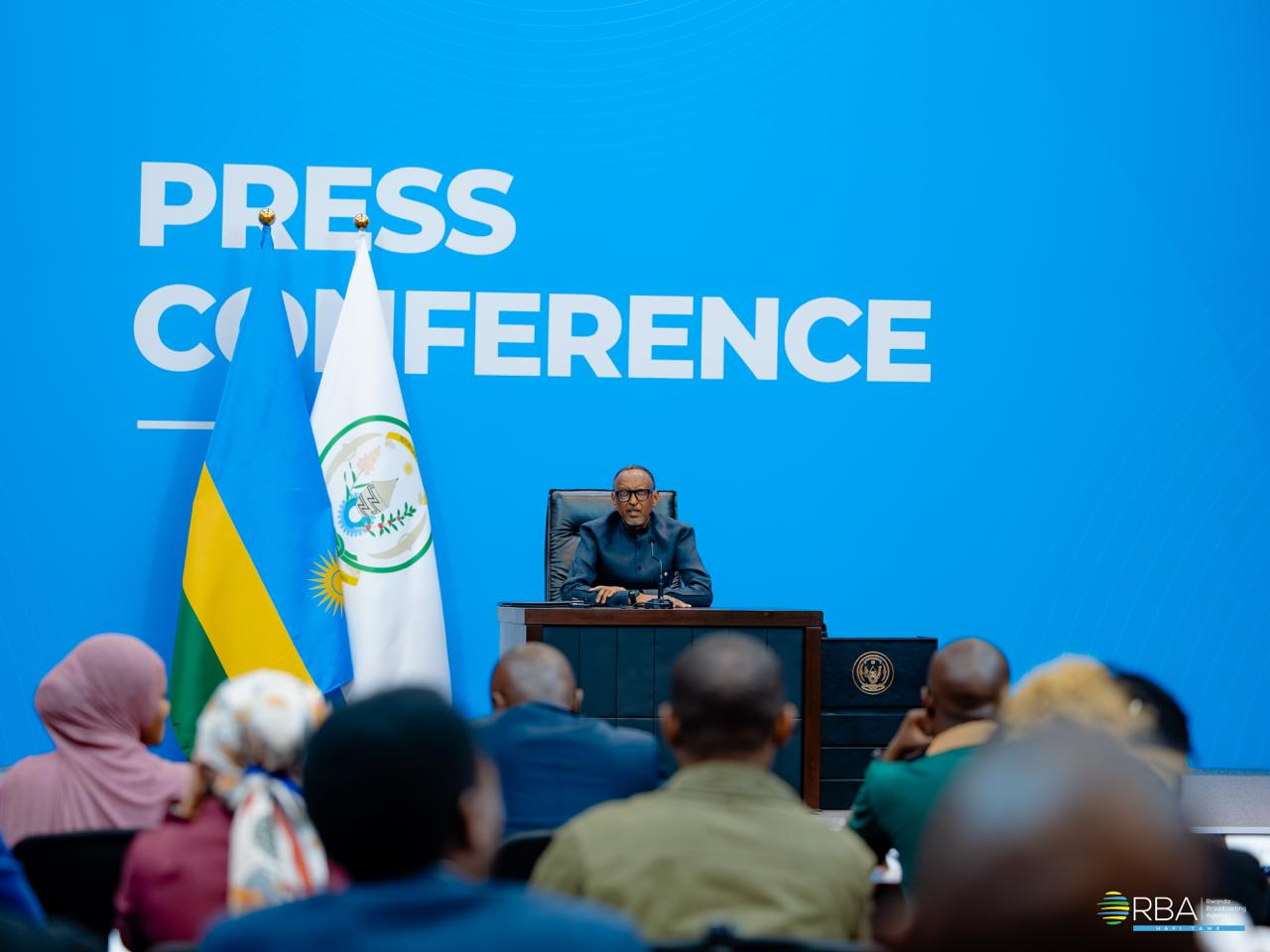
The Rwanda Biomedical Centre (RBC) has warned farmers who cultivate wetlands without protective footwear and gloves that they face a high risk of contracting bilharzia (schistosomiasis), a neglected tropical disease still widespread in Rwanda.
According to RBC, bilharzia is currently present in 1,013 villages, representing 47 percent of all villages nationwide.
Bilharzia Still Widespread in Rwanda
Bilharzia is a parasitic disease caused by worms that thrive in contaminated freshwater. It mainly affects people who regularly come into contact with unsafe water, including wetland farmers, fishermen, children who swim in polluted water, and communities living near marshlands.
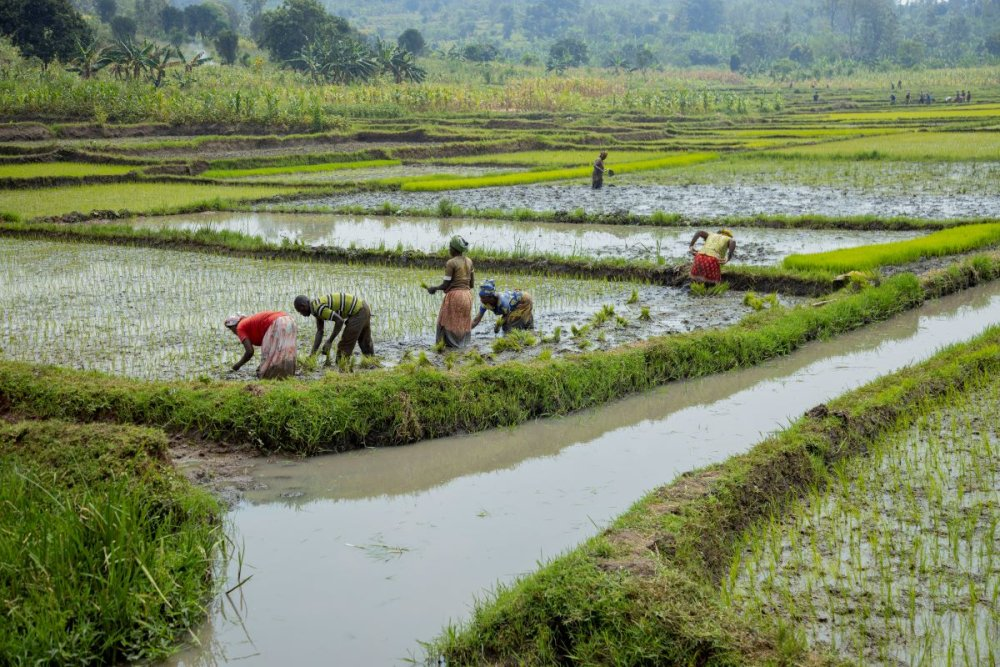
The warning was issued on January 28, 2026, during an awareness campaign conducted by RBC and its partners in Bugesera District, Mareba Sector, targeting rice farmers working in the Rwabikwano wetland.
How the Infection Spreads
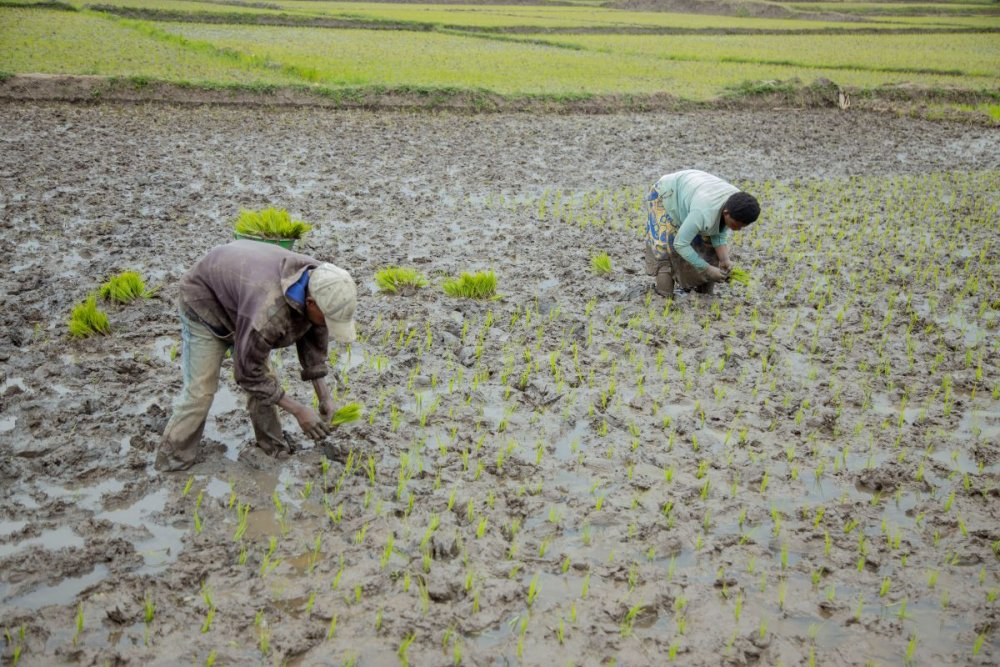
An RBC officer in charge of neglected tropical diseases, Nathan Hitiyaremye, explained that waste from nearby hills often flows into wetlands, where parasites develop inside freshwater snails.
“When people enter these wetlands barefoot, the parasites penetrate the skin through contaminated water,” Hitiyaremye said.
He stressed that wearing boots and gloves significantly reduces exposure to the parasites, which are invisible to the naked eye.
“We strongly encourage farmers to avoid entering wetlands without protective boots and gloves,” he added.
Plans to Improve Protective Gear for Farmers
Hitiyaremye also revealed that RBC plans to work with various partners, including the Private Sector Federation (PSF), rice farmers’ cooperatives, and fishing associations, to design special protective clothing suitable for wetland farming.
The goal is to provide farmers with gear that covers both the feet and hands while remaining practical for rice cultivation.
Farmers Cite Challenges with Existing Boots
Some farmers acknowledged the health risks but said existing protective boots are not suitable for rice fields.
Nzabonimpa Hegman, a farmer from Mareba who has received training on bilharzia prevention, said boots often get stuck in muddy rice fields.
“When you step into the mud, the boot stays behind,” he said. “We ask the government to help us find farming footwear designed specifically for wetlands.”
He added that farmers are improving sanitation by cutting grass around fields and increasing access to latrines to reduce contamination.
Another farmer, Sebatege Jean Damascene, said the government provides preventive medication annually but practical farming solutions remain a challenge.
“These ordinary boots cannot be used in flooded rice fields. We need specialized footwear,” he said.
Mass Treatment Ongoing in Bugesera
In Bugesera District, more than 230,000 people have received Praziquantel, a drug used to treat bilharzia. The disease has been identified in 43 villages across the district, most of them located near wetlands.
Symptoms and Global Impact
Early symptoms of bilharzia include high fever, body pain, skin itching, abdominal pain, bloody stool, and abdominal swelling. If left untreated, the disease can lead to serious complications, including stunted growth in children.
Globally, bilharzia infects more than 240 million people each year and causes between 4,000 and 200,000 deaths, according to health experts.
RBC continues to call for preventive measures, improved sanitation, and community cooperation to reduce the spread of the disease.
MORE STORIES:
 Over 42,000 People Infected With Tuberculosis in Seven Years
 Rwanda to Produce Medical Radionuclides
 Food Hygiene Identified as a Major Factor in Preventing Diseases in Rwanda
 Why Humans Become Slightly Shorter at Night
 Gicumbi Residents Raise Safety Concerns Over Stray Dogs
 Over 400,000 Rwandans Diagnosed With Malaria in Three Months
 Over 500 Children Killed by Malaria in Rwanda Over the Last Five Years
 France Sees More Deaths Than Births in 2025
 Smoking Can Cause Breast Sagging in Women and Girls, Experts Warn
 Wales: Woman with Cervical Cancer Says Doctors Ignored Symptoms for Years
Nhiều slot tại 66B có cơ chế jackpot lũy tiến liên kết giữa các nền tảng – giải thưởng có thể lên tới hàng tỷ đồng và được cập nhật theo thời gian thực ngay trên màn hình. TONY04-18