





Digital agriculture could unlock up to USD 500 billion in additional agricultural GDP annually across low- and middle-income countries—if proven solutions scale beyond small pilots. That is the central finding of a new report by Boston Consulting Group (BCG) in collaboration with Precision Development (PxD).
Titled From Strategy to Scale: Why Delivery Matters in Digital Agriculture, the report argues that many governments have built strong digital agriculture strategies—but lack the delivery infrastructure to translate ambition into measurable impact for farmers.
At the center of the solution: Digital Agriculture Units (DAUs).
From Strategy to Scale: Why Delivery Matters
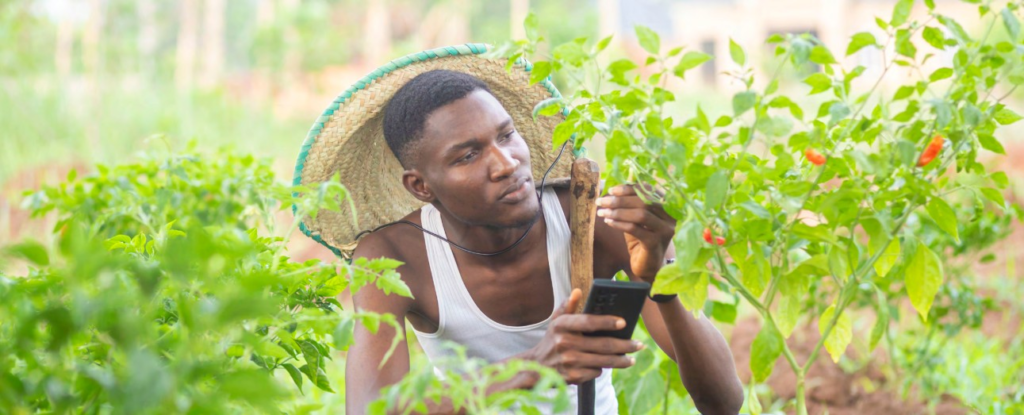
Across Africa and other emerging markets, smallholder agriculture underpins livelihoods and food security. Digital tools—such as SMS advisory services, interactive voice response systems and mobile farmer registries—are already improving productivity and access to information.
As these systems mature, more advanced technologies such as AI-driven weather insights and digital credit scoring can increase precision and personalization.
However, adoption remains low. Globally, fewer than 15 percent of smallholder farmers use digital agriculture tools. Between 2019 and 2021, countries within the Organisation for Economic Co-operation and Development invested just USD 17 billion in agricultural digital infrastructure—about 2 percent of total agricultural spending.
The result: pilots succeed, but scale fails.
The Role of Digital Agriculture Units (DAUs)
DAUs are dedicated teams embedded within governments or national programmes to bridge the gap between policy and implementation. According to the report, effective DAUs perform four core functions:
- Investment-oriented planning
- Stakeholder coordination
- Delivery support
- Accountability and visibility
Rather than creating new strategies, DAUs focus on execution. They align incentives, troubleshoot bottlenecks and maintain momentum across ministries, donors and private-sector partners.
Zoë Karl-Waithaka, Managing Director and Partner at BCG Nairobi, emphasizes that the persistent gap between strategy and delivery stems from missing institutional capacity—not weak plans.

Real-World Impact: Lessons from East Africa
In East Africa, the Virtual Agronomist model illustrates what scale can achieve. The platform delivers digital advisory services at roughly one-tenth the cost of traditional agricultural extension while increasing yields by up to 1.4 to 1.9 times for crops such as maize, rice, sunflower and sorghum.
Yet without coordinated national delivery systems, such initiatives struggle to expand beyond localized pilots.
Countries including Ethiopia, India and Benin are experimenting with DAU models:
- In Ethiopia and India, DAUs operate within Agriculture Ministries, reporting to senior leadership and driving reforms in digital registries and advisory platforms.
- In Benin, governance flows through a minister-led steering committee supported by a technical committee involving civil society.
- India also demonstrates a dual national and sub-national approach, including state-level models such as in Odisha.
Designing for Delivery
The report outlines five key design dimensions for establishing effective DAUs:
- Institutional anchoring – Placement within government determines authority and integration.
- Reporting line – Direct access to senior leadership strengthens coordination and reform momentum.
- Delivery mandate – DAUs may coordinate, implement or adopt hybrid models.
- Jurisdictional scope – National standards must align with sub-national delivery systems.
- Resourcing model – Hybrid Project Management Units combining civil servants and external experts accelerate implementation while building capacity.
For example, Ethiopia’s hybrid model blends government officials with secondees from PxD to enhance technical expertise. Similar lean-core approaches are emerging in Kenya and Benin.
Why This Moment Matters
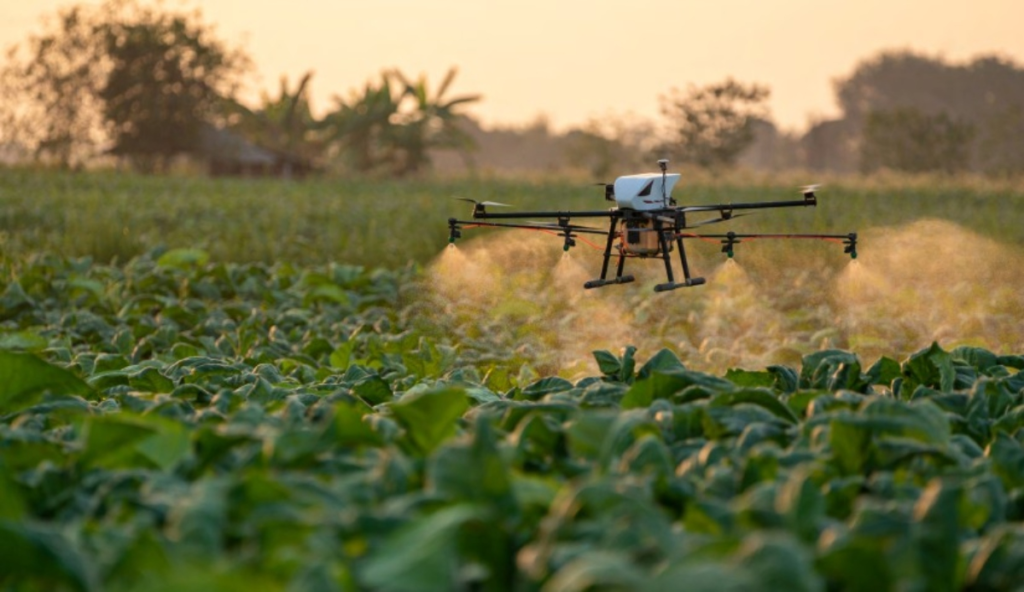
As climate pressures intensify and food systems face growing strain, digital agriculture offers tools to boost productivity, resilience and inclusion. However, technology alone does not deliver impact. Institutional capacity does.
Habtamu Yesigat, Director of Programmes for Ethiopia at PxD, stresses that digital tools only succeed when embedded within scalable systems capable of reaching millions of smallholder farmers.
The report concludes that delivery—not vision—is the next frontier. Governments that invest in accountable, well-designed Digital Agriculture Units can transform promising pilots into national platforms.
Africa’s digital agriculture opportunity is not a technology challenge. It is a coordination and execution challenge.
Download full report here
MORE STORIES:
 Job Opening: Events Intern at Norrsken House Kigali
 Job opportunities: Apply for Reservations Manager job at Sambora
Job: Apply for job of sales staff and get hired
Sales and Marketing Officer job
Job opportunities: Apply for Project Officer Plan at International Rwanda
Job opportunities: Apply for Reservations Manager job at Sambora
Job: Apply for job of sales staff and get hired
Sales and Marketing Officer job
Job opportunities: Apply for Project Officer Plan at International Rwanda
 Pi Network Set to Disrupt the Financial System: The Countdown to Open Mainnet Begins
Job opportunities: Appy for school administrative assistant
Pi Network Set to Disrupt the Financial System: The Countdown to Open Mainnet Begins
Job opportunities: Appy for school administrative assistant
 Ghana’s National ID cards can now make payments
Job: Apply for Customer Relations Assistant at old mutual limited
Primary Teaching job at Kigali International Community School
Ghana’s National ID cards can now make payments
Job: Apply for Customer Relations Assistant at old mutual limited
Primary Teaching job at Kigali International Community School