


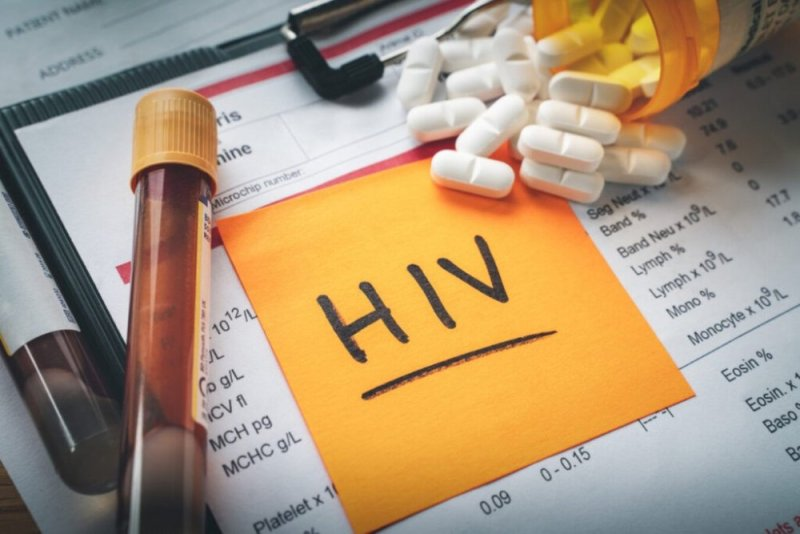
Rwanda plans to introduce a six-month HIV injection for people living with the virus. The new method will replace daily pills for better adherence. Officials say this approach can improve treatment outcomes, especially among young people.
Current HIV treatment in Rwanda
Currently, patients take daily pills to manage HIV. RBC introduced a two-month injectable option last year. Dr Ikuzo Basil, head of HIV programs at RBC, says it has already shown positive results.
He explained that daily pills increase the risk of missed doses. The new injection reduces this risk and simplifies treatment for patients.
Plans for six-month injection
RBC is working with partners and donors to introduce a new long-acting HIV injection. The goal is for patients to receive a single shot every six months. Officials say this will further help Rwandans manage HIV effectively.
Focus on youth and prevention
Despite progress, HIV remains concentrated among young people. Dr Ikuzo said fewer youths access HIV services, and many do not adhere well to treatment. RBC plans to focus more on youth engagement and awareness campaigns.
Rwanda’s achievements
Rwanda has reached the global 95-95-95 targets set by WHO. This means:
- 95% of people with HIV know their status.
- 95% of those diagnosed receive treatment.
- 95% of those on treatment have an undetectable viral load.
The Rwandan Network of People Living with HIV (RRP+) supports over 166,500 members in prevention and advocacy efforts. The organization notes that free treatment has greatly helped older patients. However, new infections among youth account for over 35% of cases and remain a challenge.
Impact of the long-acting injection
Experts say the six-month injection could reduce missed doses and improve adherence. It is expected to simplify life for patients, reduce HIV transmission risk, and strengthen Rwanda’s overall response to HIV.
MORE STORIES:
 NASA Delays Artemis 2 Moon Mission Due to Severe Weather Conditions
 Job: Executive Assistant Water Access Rwanda
 Rwanda’s Aviation Fuel Storage Reaches 12 Million Litres
 Rwandan Youth Lead Reading Culture as 77% Embrace Book Reading
 Markets React to Trump Fed Investigation Targeting Jerome Powell
 North Korea Unveils Hwasong20, Its Most Powerful Missile Yet
 USA: Trump Sued for Deploying Troops to Portland
 Iran: Israeli Spy Executed by Hanging
 Fred Gisa Rwigema: A Hero’s Sacrifice for Rwanda’s Peace
Hotel Cleanliness Expert Four Points By Sheraton Kigali
Fred Gisa Rwigema: A Hero’s Sacrifice for Rwanda’s Peace
Hotel Cleanliness Expert Four Points By Sheraton Kigali