




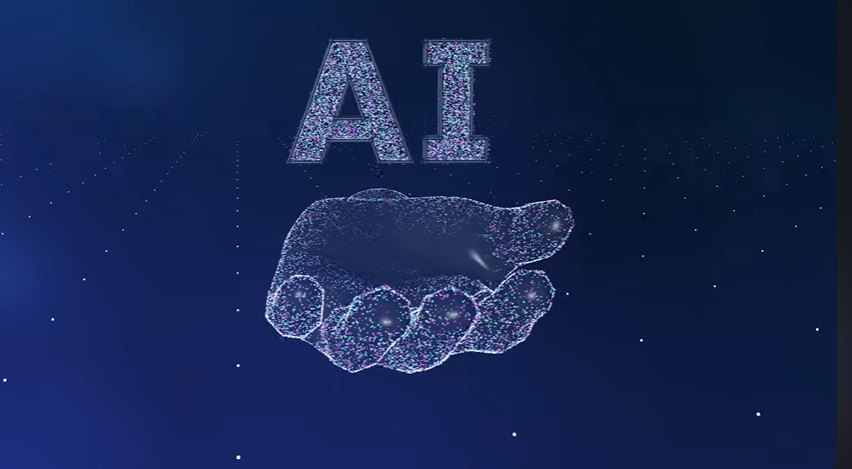
Artificial intelligence in education is reshaping classrooms worldwide. AI can solve major learning challenges and support progress toward SDG 4. It also introduces risks that grow faster than policy and regulation. UNESCO is working with countries to ensure AI use in schools stays fair and safe.
The Promise of AI in Education
AI can improve teaching and learning. It can help teachers personalize lessons. It can also support learners with disabilities. Moreover, AI can reduce gaps in access to quality education. These benefits show why many systems are investing in AI tools.
Risks and the Need for Strong Policies
Rapid technological growth brings new dangers. Some tools may collect too much data. Others may increase inequality. Because of this, UNESCO urges countries to set clear rules. Policies must protect students and promote equal opportunities.
UNESCO’s Human-Centred Approach
UNESCO promotes AI that supports human values. The goal is to reduce gaps in access to knowledge and culture. This approach ensures AI does not widen digital divides. Instead, it should help all communities benefit from new technologies.
Tools and Guidance for Policymakers
UNESCO created guidance to help governments understand AI’s impact on learning. The Beijing Consensus supports global cooperation on this issue. UNESCO also produced AI competency frameworks for teachers and students. These tools help countries prepare learners for the AI era. They also highlight the risks and responsibilities linked to AI use.
Building Skills for the AI Era
Students need new skills to navigate an AI-driven world. Teachers also need training to use AI effectively. Because of this, UNESCO encourages investment in digital skills. These skills will help societies benefit from AI while limiting harm.
Related posts:
 African SMEs: Pact for Economic Growth Ahead
 An opportunities for Rwandan youth aged 18-25
 Europe: Apple Announces Major Investment in Renewable Energy Project
 Gisagara Leaders Call on Investors to Invest in the District
 At 19, Donald Trump’s Youngest Son Reportedly Worth $150 Million
 5 reasons why Israel must forced to strike Iran.
 Global eye disease 2050
 HIV long-acting injection in Rwanda
 Why the Rich and Powerful Could Not Say No to Jeffrey Epstein
 Rwanda on a Global Stage: Tourism to Gain from Partnership with LA Clippers and LA Rams
 Pi Network’s Price Momentum: Why $100 Could Be Just the Beginning
 Job opportunities: Apply for Human Resource and Administration Ecoplanet Bamboo Rwanda Ltd
 Rwanda Set to Launch New Digital National ID in 2025 — What You Need to Know
Job opportunities for Drivers
Rwanda Set to Launch New Digital National ID in 2025 — What You Need to Know
Job opportunities for Drivers
 Rwanda: Small and Medium Enterprises Unlocking New Opportunities Through Technology
 Bitcoin Poised for Major Rally Ahead of September Fed Rate Decision
 Join Rwanda’s Premier Start Up and win prizes
 Panic Grips TikTok Users Duped by “End of the World” Prophecy
 U.S. Reveals Hamas Planning Major Attack on Gaza Civilians
 Mastercard and Microsoft Team Up to Bring AI Shopping to Consumers
One thought on “Artificial Intelligence in Education: Opportunities and Risks”