






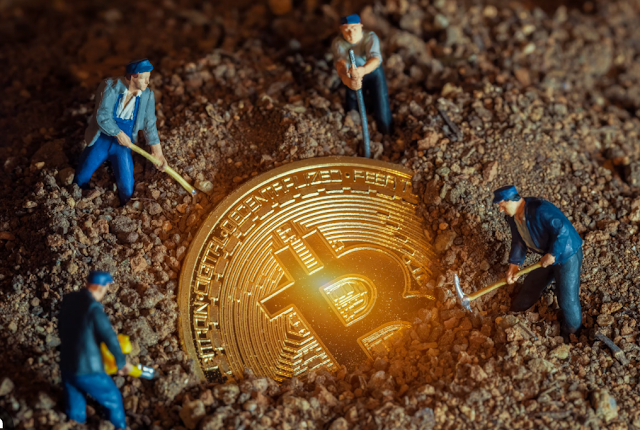
The cost of mining Bitcoin has reached all-time highs, creating pressure for miners and affecting the broader crypto ecosystem. Industry data monitored by HokaNews shows that the average operational cost to mine one Bitcoin is now around $74,600, while full all-in costs, including electricity, hardware, and infrastructure, reach $137,800 per BTC.
Rising Costs Driven by Network Strength
The escalation comes as Bitcoin’s total hashrate surpasses 1 Zettahash per second (1 ZH/s) for the first time in history. This milestone reflects unprecedented computing power securing the network.
While a high hashrate signals strong network health, it also increases mining difficulty, pressuring miners and reducing profit margins.
Mining Has Never Been This Expensive
Bitcoin mining, once highly profitable for early adopters, now faces steep costs and intense global competition.
Electricity dominates mining expenses, and even small fluctuations in power prices can dramatically affect profitability.
Analysts warn that if Bitcoin’s market price stays below total mining costs, miners may liquidate holdings to continue operations, potentially triggering market stress events.
Record Hashrate Highlights Competition
The jump to 1 ZH/s — one sextillion hashes per second — is unprecedented. The Bitcoin network now performs more computations per second than any system in human history.
But higher hashrate increases mining difficulty, forcing miners to:
- Use faster, more efficient ASIC hardware
- Expand operational capacity
- Access cheaper electricity
- Upgrade cooling and infrastructure
Smaller and mid-scale mining farms are most vulnerable, with profitability largely limited to operations with electricity costs below $0.04 per kWh.
Revenue Pressures and Halving Cycles
Even as Bitcoin’s price grows and institutional adoption rises, miner revenue trends downward.
The recent block reward halving reduced mining rewards to 3.125 BTC per block, making operational efficiency and transaction fees crucial to maintaining profitability.
Conclusion
Bitcoin mining now requires advanced hardware, low electricity costs, and optimized operations. The historic hashrate surge signals a strong network but also tightens profit margins, forcing miners to adapt or risk exiting the market.
Related posts:
 5 reasons why Israel must forced to strike Iran.
 Panic Grips TikTok Users Duped by “End of the World” Prophecy
 Gisagara Leaders Call on Investors to Invest in the District
 Supermoon Visible in Rwanda on December 4
 Rwanda to Begin DNA Testing for Unborn Babies in 2026
 Job at Isange Coffee shop Supervisor
 Spiro Rwanda Marks Two Years of Electrifying Progress in Sustainable Mobility
 Rwanda’s Tourism Revenue Hits $647M in 2024, Targets $700M Boost with New Attractions and Global Events
Job opportunities: Apply for Human Resource and Administration Ecoplanet Bamboo Rwanda Ltd
Rwanda’s Tourism Revenue Hits $647M in 2024, Targets $700M Boost with New Attractions and Global Events
Job opportunities: Apply for Human Resource and Administration Ecoplanet Bamboo Rwanda Ltd
 Join Rwanda’s Premier Start Up and win prizes
 From a Young Trader to a Business Leader: The Story of Alex Nyamwasa
 Applications for the MEST AI Startup Program are now open!
 Europe: Apple Announces Major Investment in Renewable Energy Project
Job: Reconciliation Officer at ASA
Europe: Apple Announces Major Investment in Renewable Energy Project
Job: Reconciliation Officer at ASA
 Why the Rich and Powerful Could Not Say No to Jeffrey Epstein
 Rwanda needs 500 million dollars for outbreaks
 Mastercard and Microsoft Team Up to Bring AI Shopping to Consumers
 Bisimwa Fires Back at Tshisekedi for Linking President Kagame to AFC/M23
 Rwanda: Small and Medium Enterprises Unlocking New Opportunities Through Technology
 U.S. Reveals Hamas Planning Major Attack on Gaza Civilians