






Fear and hesitation before first donation
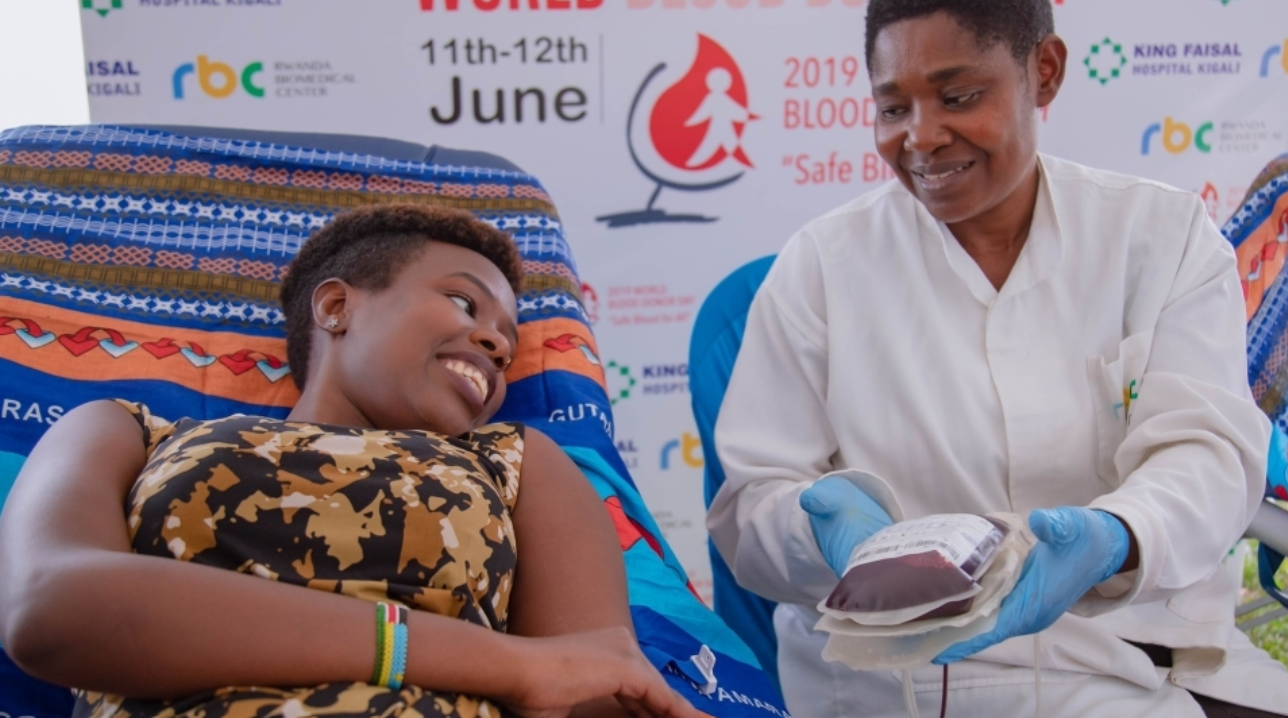
Many people delay blood donation because of fear and misinformation. William Evans Mutabazi first donated blood in 2014 after months of hesitation while he was a secondary school student.
He believed donating blood would weaken him and assumed older people would meet the demand. Although he was healthy, he worried about the medical screening and did not understand what it involved.
After health workers cleared him to donate, he went ahead with the process.
“I did not understand the urgency. I thought blood donation was for older people, not students,” said Mutabazi, who is now a journalist.
Personal experiences change attitudes
Later, stories of patients who died due to blood shortages changed Mutabazi’s perception. After his first donation, he received a donor card showing his blood group, O+. The card can also help him or a family member receive priority during emergencies.
Today, he donates whenever campaigns take place, especially during Car Free Days and public health events. He says donating helps him monitor his health and support people in need.
Phoebe Kaitesi, a lawyer, also hesitated before becoming a donor. She feared fainting, worried about contamination, and did not know how health workers used donated blood.
After receiving clear explanations about the process and safety measures, she began donating blood.
When blood shortages become personal
For Halima Nakiyemba from Kacyiru, a hospital experience prompted her decision to donate. In 2015, doctors admitted her for hernia surgery and needed blood that was not immediately available.
Although doctors later found blood for her, she witnessed another patient die due to delays. That moment convinced her to become a donor. She now donates blood at least twice a year.
Common misconceptions among the public
Despite these experiences, misconceptions about blood donation remain widespread. Dr Thomas Muyombo, Blood Transfusion Division Manager at the Rwanda Biomedical Centre, says health workers encounter these beliefs during radio programs and community outreach.
Many people believe blood recipients can adopt the donor’s behavior or traits. Others think donors must continue giving blood for life once they start.
Dr Muyombo explained that people donate voluntarily and at their own pace. Some donate only during school years, while others pause due to illness or personal reasons.
Safety, consent, and trust
Dr Muyombo dismissed claims that transfusions change a person’s personality. Children, adults, and new mothers receive blood safely without behavioral changes.
Health workers recommend blood transfusions only when necessary. Doctors explain the procedure clearly to patients or caregivers, and consent remains mandatory in all cases.
Some people also believe hospitals sell donated blood. Dr Muyombo clarified that hospitals do not sell blood. While health systems may recover operational costs in the future, they do not treat blood as a commodity.
He added that procedures such as cross matching often confuse patients. These misunderstandings can spread quickly and discourage donors.
Health officials continue to promote accurate information to reduce fear and encourage more people to donate blood.
Credit: The New Times
Related posts:
 How Smartwatches Help Detect Hidden Heart Problems
 RBC Warns Barefoot Wetland Farmers of Rising Bilharzia Infection Risk
 France Sees More Deaths Than Births in 2025
 Over 500 Children Killed by Malaria in Rwanda Over the Last Five Years
 Gaps in Childhood Immunization Persist as Parents Cite Challenges in Huye
 Over 400,000 Rwandans Diagnosed With Malaria in Three Months
 Food Hygiene Identified as a Major Factor in Preventing Diseases in Rwanda
 Wales: Woman with Cervical Cancer Says Doctors Ignored Symptoms for Years
 29% of Men and 23% of Women Unaware of HIV Status
 Smoking Can Cause Breast Sagging in Women and Girls, Experts Warn
 Gicumbi Residents Raise Safety Concerns Over Stray Dogs
 Ukrainians Encouraged to Use Heated Sex Toys to Cope With Extreme Winter Cold
 How Fibre Protects the Brain and Slows Cognitive Decline
 Rwanda to Produce Medical Radionuclides
 Nearly One in Four Births Were Caesarean Deliveries
 WHO Calls for Health Taxes on Sugary Drinks and Alcohol
 Over 42,000 People Infected With Tuberculosis in Seven Years
r4f6ns