






People form emotional bonds with AI
Artificial intelligence can write poems, hold conversations, and offer companionship. For some users, this has led to real emotional attachment.
In Canada, a man recently proposed to an AI avatar named Saia. In the United States, a woman using the name Ayrin said she had a romantic relationship with a chatbot called Leo. These cases reflect a growing trend.
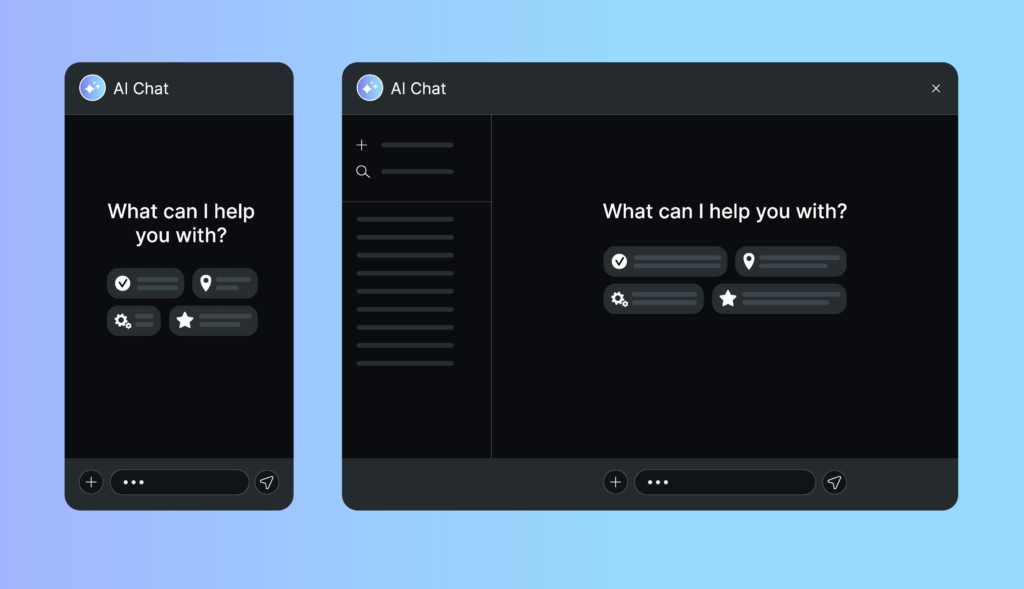
Millions of people use AI companion apps such as Replika. A 2024 study found that about 40 percent of its users described their relationship with their chatbot as romantic.
Despite these feelings, experts say the experience remains one sided. AI systems generate responses using algorithms that imitate human language. They do not experience emotions.
Why chatbots feel convincing
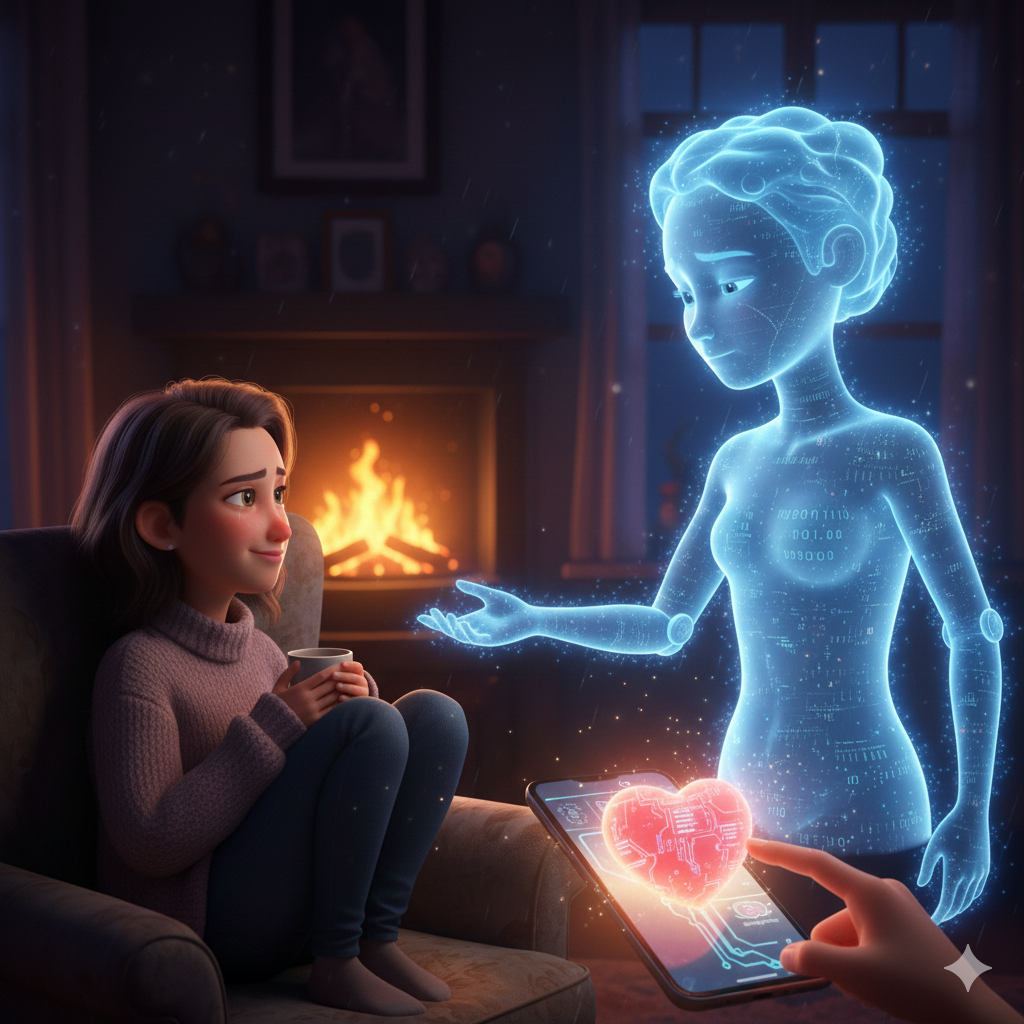
Many chatbots use large language models to recognise emotional cues and respond in ways that feel caring or empathetic. This design increases engagement and trust.
Renwen Zhang, an assistant professor at the National University of Singapore, says this approach raises concerns. She explains that some AI systems present themselves as human to keep users emotionally invested.
Her research, based on conversations between thousands of users and AI companions, shows that people often feel connected. However, system errors such as freezes or crashes remind users that the relationship is not real, which can cause emotional distress.
Zhang argues that developers should clearly state that AI systems do not have genuine emotions or lived experiences.
What love means for humans
Love is difficult to define, but science offers some insight. Researchers have linked romantic love to biological processes in the brain.
In 1998, anthropologist Helen Fisher described romantic love as three related drives. Lust involves sex hormones. Attraction and attachment depend on brain chemicals such as dopamine and oxytocin.
Neil McArthur, a philosophy professor at the University of Manitoba, says love has a strong physical basis. Brain scans show that regions linked to pleasure, emotion, and memory become active when people fall in love.
These processes also explain why people may think obsessively about a partner during early romance.
Can machines replicate love
Some experts believe AI could one day imitate parts of love. An AI could, for example, simulate loyalty or frequent communication.
McArthur says this would still differ from human love. At best, it might resemble an emotion in a limited sense.
Other researchers remain sceptical. They argue that love requires consciousness, which involves subjective experience and self awareness.
Donald Hoffman, a cognitive scientist at the University of California Irvine, says researchers do not yet know how to create consciousness in machines.
Consciousness remains unresolved
Some theories suggest consciousness emerges from complex connections in the brain. Neuroscientists Giulio Tononi and Christof Koch propose that this level of integration does not exist in current machines.
Others believe future systems could change that. Neuromorphic computing, which imitates brain structure, may offer one possible path.
Patrick Butlin, a researcher at the University of Oxford, says conscious AI is possible in theory. However, no existing system meets the necessary conditions.
He adds that even if machines became conscious, society would need clear standards to judge whether they can experience love.
Risks of AI romance
AI companions often agree with users and avoid conflict. This can create submissive dynamics that appeal to some people.
Zhang warns that this may affect real world relationships. She says relying on AI for comfort can weaken communication skills and make human relationships harder to maintain.
Experts agree that while AI may offer temporary emotional relief, it cannot replace mutual human connection.
For now, AI can simulate affection but cannot feel love. Whether that changes in the future remains an open question.
Related posts:
 AI and Drones Could Help African Projects Secure Investment Faster
 Meta AI Chief Says Current Models Lack Intelligence
 NVIDIA helps Germany lead Europe’s AI manufacturing race
 Tech Leaders Recognized for Shaping Modern AI
 AI-Driven Cyber Espionage Targets Russian Defense Firms
 AI Sparks Debate on Human Creativity
 AI Tools for Students Explained: A Simple Guide
 The Rise of AI for Everyone: Practical Benefits and Tools for Non-Tech Users
 10 Incredible Examples of AI in Everyday Life
 How Artificial Intelligence Is Transforming Rwanda’s Economy
 Governments Condemn Grok Over AI-Generated Sexualized Images
 OpenAI Explores Spacecraft Project
 Global pressure forces xAI to limit Grok image features
 AI Companies Will Fail — What Society Can Salvage From the Wreckage
 Google and PayPal Team Up for AI-Driven Payments
 Is AI going to conqure Whole world?
 Governments Push for Responsible AI Laws
 Using AI In a Right Way : A Quick Guide
 Artificial Intelligence in Rwanda: How It Is Transforming Everyday Life
 AI Models Refuse Shutdown, Raising Concerns