



The Rwanda Biomedical Center (RBC) has reminded Rwandans that many people with diabetes may not know they have the disease. Recent global research shows that 44% of people with diabetes worldwide are undiagnosed.
Global Study Highlights
The study, conducted by Lauryn Stafford from the Institute for Health Metrics and Evaluation at the University of Washington, was published in September 2025.
It shows that nearly half of people living with diabetes globally are unaware of their condition. Young people make up a significant portion of this group.
This means that one in every two people with diabetes may not know they have it.
RBC Advice for Early Detection
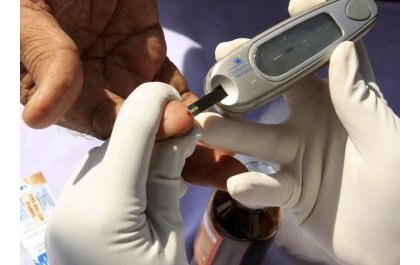
RBC emphasizes the importance of early testing. Knowing you have diabetes early reduces the risk of severe complications.
These complications may include heart disease, kidney damage, nerve disorders, and vision loss. Early diagnosis allows better management and improves quality of life.
Understanding Diabetes
Diabetes is a condition marked by high blood sugar levels. It can be inherited or triggered by lifestyle factors, diet, and other changes in behavior.
RBC recommends preventive measures such as:
- Eating a balanced diet rich in vegetables and fruits
- Daily physical activity
- Avoiding alcohol and tobacco
- Maintaining a healthy weight
Symptoms and Regular Check-Ups
RBC encourages Rwandans to get tested regularly. Early detection increases chances of proper treatment.
Common symptoms include:
- Frequent urination
- Excessive thirst
- Unusual hunger
- Extreme fatigue
- Blurred vision
- Unexplained weight loss
Global and Local Statistics
The International Diabetes Federation (IDF) predicts that by 2050, more than 1.3 billion people worldwide will have diabetes.
According to the World Health Organization (WHO), diabetes caused 1.5 million deaths in 2019, making it one of the leading causes of death globally.
In Rwanda, IDF reports that about 4.5% of the population had diabetes in 2021, roughly 297,000 people nationwide.
Conclusion
RBC urges Rwandans to be proactive about their health. Regular testing, a healthy lifestyle, and awareness of diabetes symptoms are essential to reduce risks and improve long-term well-being.