



Rwanda currently has more than 234,000 people living with HIV. The Rwanda Biomedical Centre says the country records about 2,500 new infections every year. It also reports a similar number of annual deaths. Young people have been urged to test often and avoid risky sexual behaviour.
Latest HIV Statistics
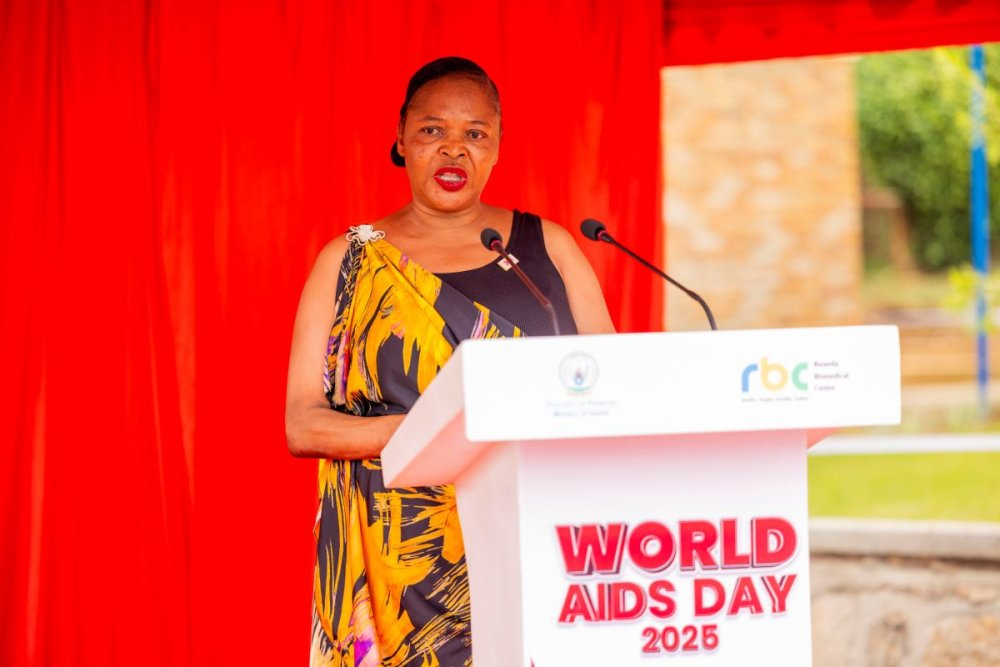
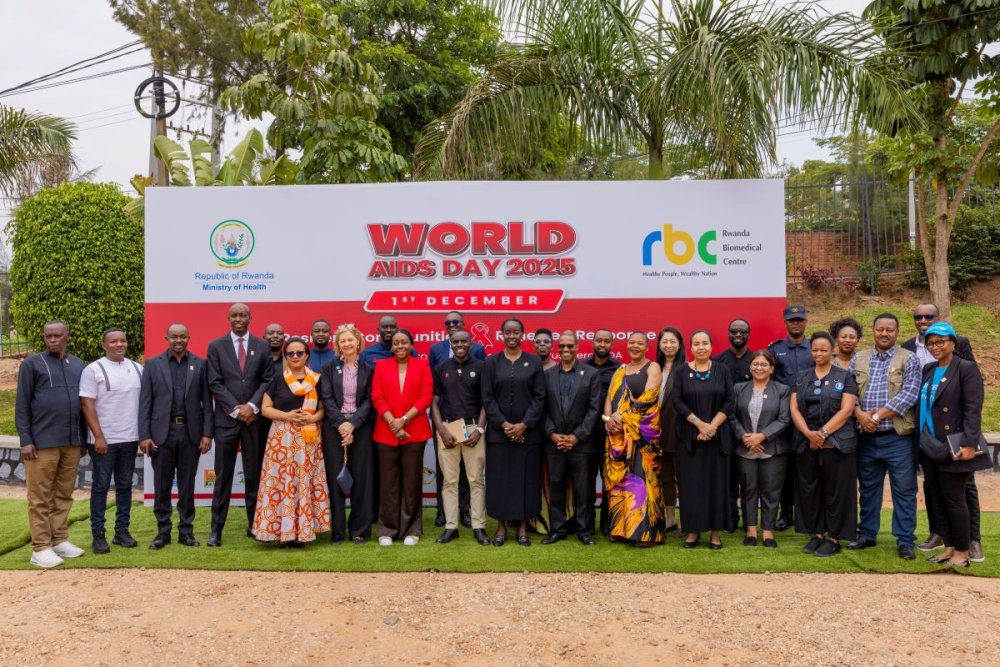
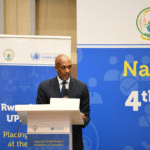
RBC announced the figures on 1 December during World AIDS Day. The event took place at Kinyinya Health Centre in Gasabo District.
According to RBC, HIV in Rwanda affects 234,593 people. New infections stand at 2.7 percent among people aged 15 to 49.
Progress and Remaining Gaps
Dr Ikuzo Basile, who heads the HIV division at RBC, said Rwanda continues to make strong progress.
He explained that 96 percent of people with HIV know their status. Among them, 98 percent are on treatment. Most of those on treatment also maintain a very low viral load.
He added that nearly all babies born to mothers with HIV complete their first two years without the virus. However, he noted that young people remain the most affected group.
Youth Urged to Take Action
Dr Ikuzo encouraged the youth to test regularly and make informed choices.
RBC Deputy Director General Jeanne Umuhire also urged young people to take responsibility. She said they should seek information from trusted sources and use available prevention and treatment services.
Support for People Living With HIV
The Rwanda Network of People Living with HIV thanked the government for its continued support. The organisation said people should test and follow treatment as advised.
One member shared a personal story. He said he contracted the virus in 1998 but has remained healthy because he takes his medication consistently.
Global Partners Praise Rwanda
UNDP Resident Representative Dr Fatmata Lovetta Sesay praised Rwanda’s achievements.
She said the country shows that inclusive action leads to real change. She added that Rwanda is on a strong path toward ending AIDS.
New Prevention Option in 2026
Rwanda plans to introduce a new drug called Lenacapavir Yeztugo next year. The drug prevents HIV infection. It will be given twice a year.
Related posts:
 Leaked Documents Allege Biden Family Involvement in Corruption Scandal in Ukraine
 Rwanda Starts Tackling the Problem of Children Watching Pornographic Content
 President Samia Vows to Confront Those Intimidating Tanzanian Voters
 Russia Shoots Down 251 Ukrainian Drones, Including One Headed for Moscow
 Madagascar President Rajoelina Says His Government Faces Coup Attempt
 Uganda: Over 78% of Teenage Girls Have Had Sexual Intercourse
 Rwanda Moves to Establish a Social Protection System for Informal Workers
 Only 8,000 students will be admitted in UR
 NESA: S6 Examination results to be released soon
 Putin Says “The Nobel Peace Prize Has Often Been Given to Those Who Did Nothing,” Adds on Trump: “It’s Not My Decision”
 Trump Dismisses Health Rumors, Says “I’m as Strong as Ever”
 Rwanda reaches over 95% compliance in human rights over the past four years
 Rwanda receives more than 270 nationals who were stranded in DR Congo
 Growing Calls for Macron’s Resignation in France
 French Military Evacuates Madagascar’s President Rajoelina Amid Escalating Unrest
 Taxi-Moto Riders Complain About Faulty Batteries at Swap Stations
 USA: Over 42 Million People at Risk of Losing Food Assistance
 Rwanda’s Twagirayezu Named Vice President of International Space Federation
 Machado of Venezuela Wins Nobel Peace Prize Coveted by Trump
 U.S.: Major Protests Against Trump Kick Off