






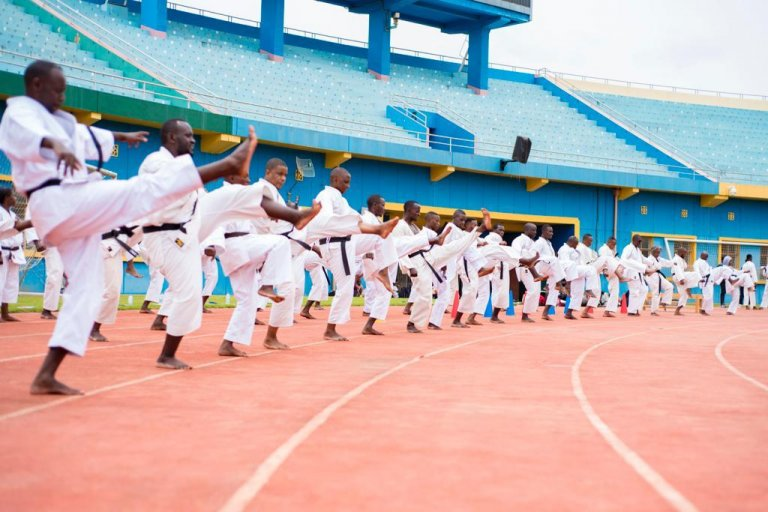
Karate is a traditional martial art that originated in Japan over 1,400 years ago. Over time, it spread worldwide and reached Rwanda in the 1980s. Today, karate continues to grow steadily across the country.
As interest increases, many Rwandans want to understand the karate belt ranking system. The system shows progress, discipline, and skill development in the sport.
Understanding the Karate Belt Ranking System
Like formal education, karate follows structured levels. Practitioners earn belts after training and passing evaluations. These belts serve as certificates of skill and commitment.
This article explains how karate belt ranking works. It focuses on traditional Japanese karate, considered the original form.
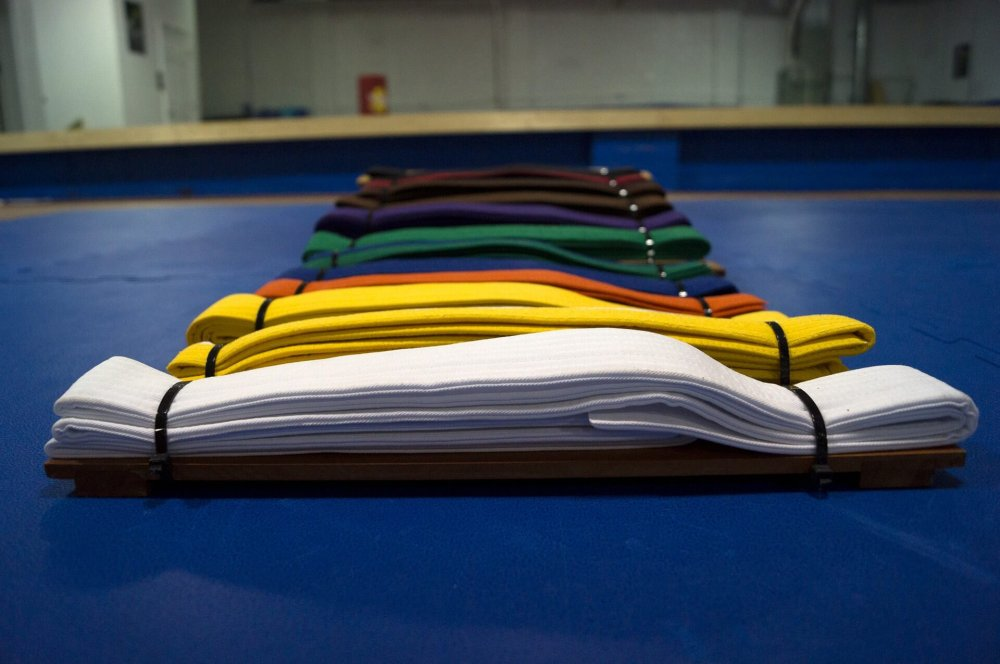
White Belt: The Starting Point
The white belt is for beginners. Anyone who starts karate receives this belt. It represents learning, openness, and a new journey.
Yellow Belt: First Progress
The yellow belt goes to students who train consistently for about three months. Before receiving it, students must pass a basic test. This belt marks early understanding of karate techniques.
Orange Belt: Building Confidence
The orange belt follows the yellow belt. Students must train for another three months. They also pass an evaluation to prove improved skills and discipline.
Green Belt: Growing Skill
The green belt is the third level for beginners. Students must already hold an orange belt. They usually train for about five months before promotion.
This belt shows steady growth and stronger technique.
Blue Belt: Advanced Basics
The blue belt is awarded after the green belt. Students train continuously for three to six months. At this stage, movements become more controlled and precise.
Brown Belt: Preparing for Mastery
The brown belt follows the blue belt. Students must train for at least one year. They also pass a demanding examination.
This belt prepares students for advanced responsibility.
Black Belt: Dan Levels
The black belt marks an advanced stage in karate. A first Dan black belt usually requires nearly three years of training.
To earn higher Dan levels, students must pass exams and gain experience. The required years match the Dan level held. For example, moving from third Dan to fourth Dan requires three years.
Belt colors do not change after black belt. The highest possible level in karate is tenth Dan.
Related posts:
 Basketball Africa League: A Catalyst for Economic Transformation in Africa
 Rwanda Extends Nightlife Hours Ahead of UCI World Cycling Championships
 What a Netflix Warner Bros Acquisition Could Mean for the Future of Cinema
 Cycling: World Number One, Tadej Pogačar, Arrives in Kigali for the World Championships
 How Al Hilal and Al-Merrikh Could Transform the Rwanda Premier League
 Rwanda Gears Up for Africa’s First-Ever World Cycling Championship
 15-Year-Old Owen Cooper Makes Emmy Awards History
 Transfer news, Arsenal agree Gyokeres deal; Man Utd in £92m talks; De Bruyne will not play for Man City at Club World Cup
 The 10 Best Places to Travel in 2025
 Matheus Cunha makes first Man United start with £62.5m forward one of two summer signings named in Ruben Amorim’s first pre-season line-up
 Cardi B pregnant with Stefon Diggs’ child, replacing Offset
 How to Cope with Stress in Daily Life ?
 Government Officials Invite Kigali Residents to the UCI Road World Championships
 Bruce Melodie: The Rise of Rwanda’s Music Icon – Biography, Career, and Achievements
 Platini and Nel Ngabo Shoot Videos in Zanzibar
 European transfer Gossip, Lucas and Real Madrid it’s over
 Kenyan Music Stars Bensoul and Nviiri The Storyteller to Perform in Kigali During UCI Road World Championships
 Nicole Kidman and Keith Urban Split After 19 Years of Marriage
 From Studio to Stardom: Yago Thrilled by Album’s Turnover
 Transfer talk: Manchester United has started talks with representatives of Victor Osimhen