



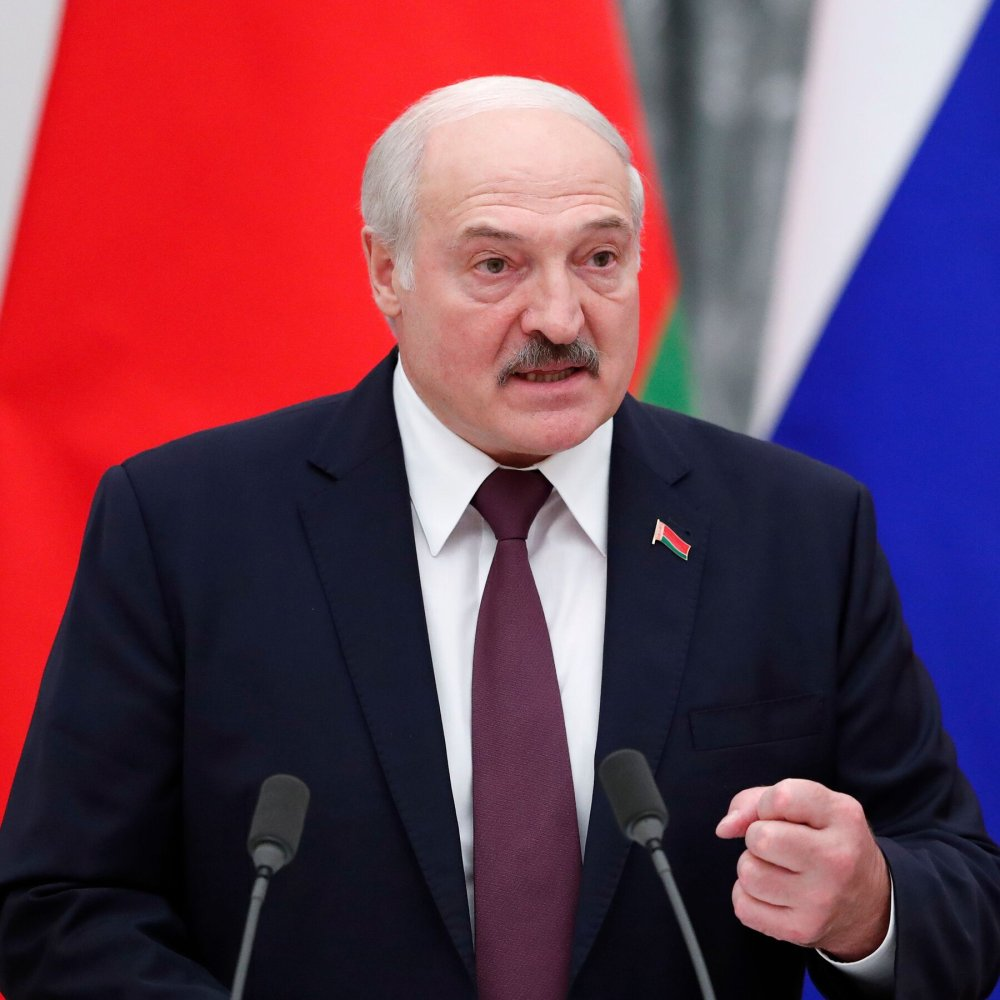
Belarus President Alexander Lukashenko has criticized Western European leaders. He described their actions on Ukraine peace talks as foolish. His remarks focused on negotiations held about ten years ago.
Comments on Ukraine Peace Efforts
Lukashenko spoke about talks hosted by Belarus. The discussions aimed to mediate between Ukraine and separatist groups. These groups operated in eastern Ukraine with Russian support.
The agreements sought to end violence and restore peace.
Background of the Conflict
The separatists came from Donetsk and Luhansk regions. The areas form part of the Donbas region. The conflict followed Russia’s annexation of Crimea in 2014.
Since then, the regions have declared themselves part of Russia.
Role of Germany and France
Germany and France oversaw the Minsk agreements. The deals were signed in 2014 and 2015. They aimed to stabilize eastern Ukraine.
Former German Chancellor Angela Merkel and former French President François Hollande later made key statements. They said the agreements gave Ukraine time to strengthen its military.
Lukashenko’s Strong Remarks
In an interview with Belarus-based Newsmax, Lukashenko criticized European leaders. He said they approached the talks without genuine peace intentions.
He claimed the discussions prepared for future conflict rather than reconciliation.
Call for US Involvement
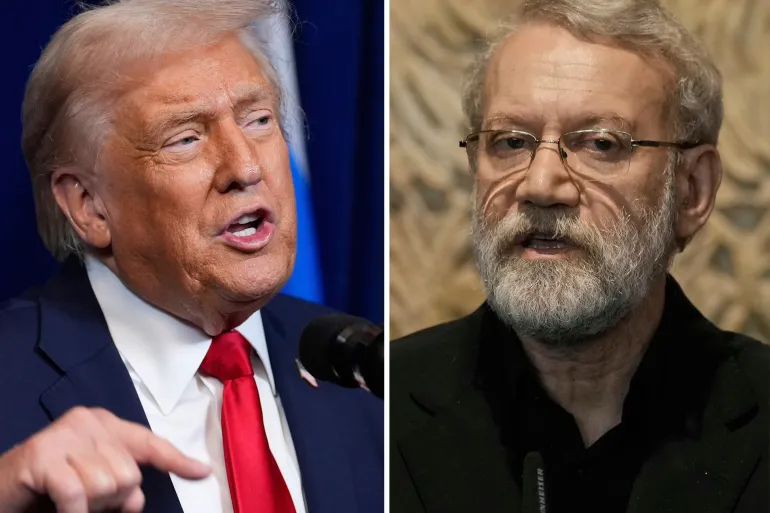
Lukashenko said Belarus urged the United States to join the process. He argued US involvement could have changed outcomes. He added that Donald Trump’s presence then might have prevented war.
Views on the Current War
Lukashenko said the conflict would not have occurred if agreements were respected. He also said the war might not have started in 2022 under Trump’s leadership.
He warned that US withdrawal from talks could worsen the conflict.
Pressure on Ukraine’s Leadership
Lukashenko said European allies lacked sufficient leverage. He claimed only strong pressure could bring Ukrainian President Volodymyr Zelenskyy to accept peace terms.
He urged Western Europe to use the moment to reduce tensions.
Related posts:
 Sewit Ahderom appointed President of Mastercard Foundation
 Kigali City Begins Early Preparations for Christmas Decorations
 Rwanda-DRC Peace Talks Postponed to Next Week
 Why the Washington Agreement Is Unlikely to End Conflict in Eastern DRC
 Only 8,000 students will be admitted in UR
 U.S.: Major Protests Against Trump Kick Off
 HIV in Rwanda
 London to Launch Driverless Taxi Service
 DRC Government Says Some M23 Fighters Will Not Be Integrated Into National Army
 Rwanda Moves to Establish a Social Protection System for Informal Workers
 Taxi-Moto Riders Complain About Faulty Batteries at Swap Stations
 French Military Evacuates Madagascar’s President Rajoelina Amid Escalating Unrest
 Rwanda Welcomes 382 Returnees Freed from FDLR Captivity in DR Congo
 Trump Sends U.S. Spies to Venezuela
 YouTube to Pay $24.5 Million in Settlement of Trump Lawsuit
 UN chief welcomes Hamas’ statement on U.S. Gaza proposal
 Rwanda receives water quality testing equipment worth over Rwf 200 million
 Rwanda’s Twagirayezu Named Vice President of International Space Federation
 Rwanda receives more than 270 nationals who were stranded in DR Congo
 Israel Says Gaza War Won’t End Until Hamas Is Disarmed