





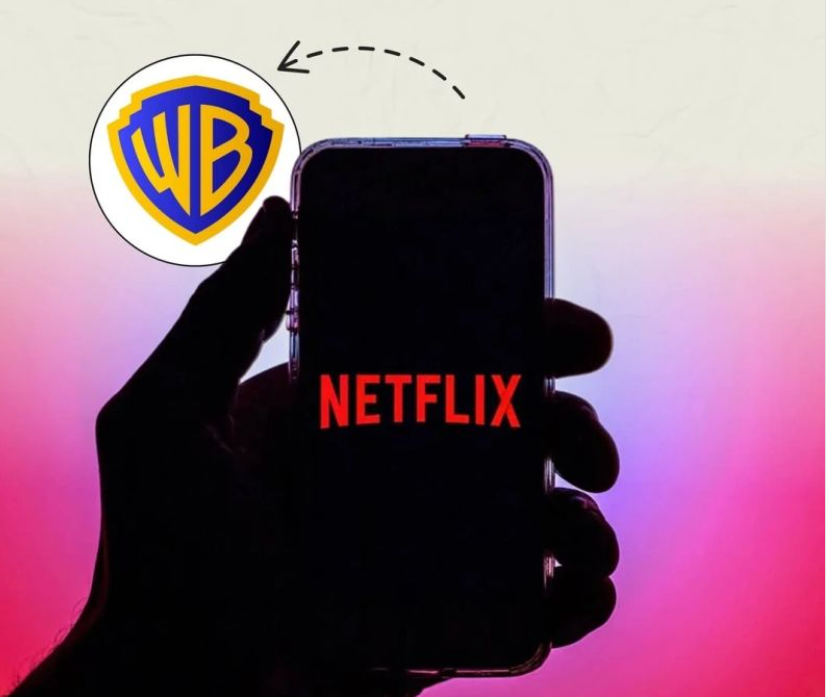
A speculative scenario involving Netflix acquiring Warner Bros for an estimated enterprise value of 82.7 billion dollars has sparked intense debate online. Many people question how such a merger, if it ever happened, would reshape Hollywood, streaming and the future of cinema.
For decades, going to the movies offered a unique social experience. It felt special to visit a theater, sit in a dark auditorium and escape into a story. Cinephiles still value that environment because it allows viewers to disconnect from everyday life and engage fully with the film.
Concerns About Streaming Dominance
Some commentators fear that a powerful streaming giant could reduce the relevance of cinemas, increase subscription prices and shape the creative direction of film and television content. They worry that a single platform could influence which stories get told and how they are produced.
On the other hand, supporters of the streaming model argue that audiences increasingly prefer convenience. Netflix’s leadership insists that the future of entertainment lies in home viewing, where people choose when and how they watch.
Why Cinemas Are Unlikely to Disappear
Although this hypothetical acquisition has stirred concern, consumer behavior still holds real power. Cinemas continue to attract audiences for blockbuster releases, cultural events and premium viewing experiences. As long as viewers value the atmosphere and social element of theaters, no company can easily eliminate that demand.
Moreover, many studios rely on box office revenue. This ensures that theatrical distribution remains important, even as streaming grows.
What Comes Next
If a major merger like this ever moved forward, the formal approval process alone could take more than a year. During that time, regulatory reviews, public reactions and market adjustments would reveal how such a deal might reshape the entertainment landscape.
For now, the idea remains a subject of speculation. Yet it highlights an important debate about the future of storytelling, the role of technology and the balance between streaming convenience and traditional cinematic experiences.
Story credit: Vansh Vador
Related posts:
 The 10 Best Places to Travel in 2025
 Trump Proposes 100% Tariff on Foreign-Made Films, Sparking Global Industry Concerns
 15-Year-Old Owen Cooper Makes Emmy Awards History
 Cardi B pregnant with Stefon Diggs’ child, replacing Offset
 From Studio to Stardom: Yago Thrilled by Album’s Turnover
 Nicole Kidman and Keith Urban Split After 19 Years of Marriage
 Kenyan Music Stars Bensoul and Nviiri The Storyteller to Perform in Kigali During UCI Road World Championships
 Bwiza and Chriss Eazy to Perform at UCI Closing Ceremony
 Bruce Melodie: The Rise of Rwanda’s Music Icon – Biography, Career, and Achievements
 Platini and Nel Ngabo Shoot Videos in Zanzibar
 Nick Cannon Reveals Mariah Carey Breakup Sparked His Trauma and Led to Having Many Children
 Man Arrested for Allegedly Stealing Unreleased Beyoncé Songs