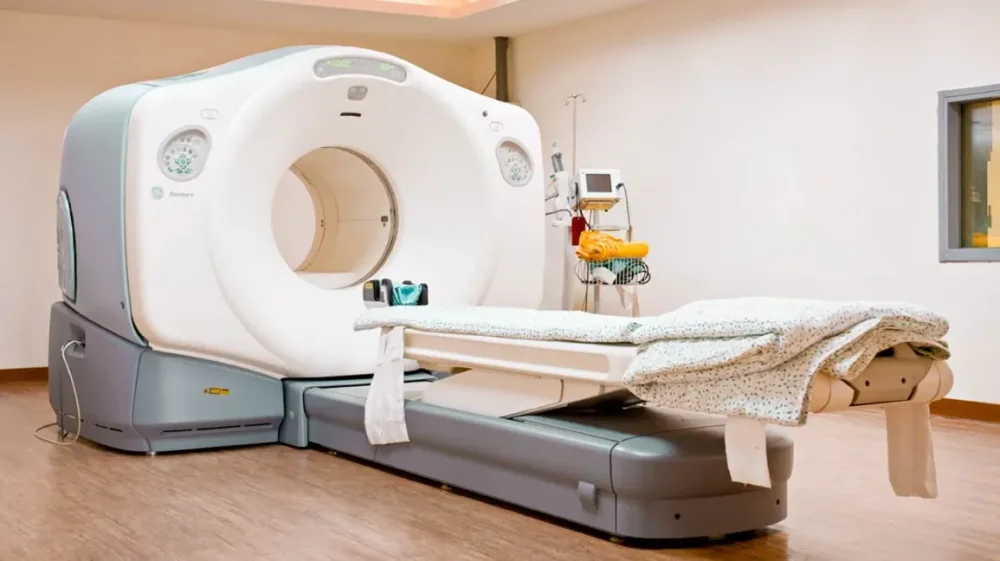



Rwanda is preparing to introduce nuclear medicine in 2026 as part of its plan to expand advanced medical services. The country has partnered with specialized global institutions to support the safe use of nuclear energy in health care. Officials say the new technology will improve early detection and treatment of complex diseases.
Understanding nuclear medicine in Rwanda
Nuclear medicine is part of diagnostic imaging. It uses radioactive tracers to help doctors detect diseases that are not visible in standard scans. Many countries lack this service because equipment is costly and requires advanced technical capacity.
Rwanda will use a machine known as a PET Scan, which provides detailed images of internal organs. Doctors inject very small amounts of radioactive tracers into the patient. The tracers travel to the affected part of the body. The PET Scan camera then identifies the unusual activity and reveals what is happening inside the patient.
How nuclear medicine improves diagnosis
The tracers help detect hidden conditions. They reveal diseases of the heart, brain, nerves, and several types of cancer. Doctors can then plan safe treatment and avoid unnecessary operations.
The method is important for treating sensitive organs. For example, brain cancer requires precise information before surgery. Accurate imaging reduces risks and helps specialists target only the affected tissue.
Rwanda’s new partnership to expand nuclear medicine
In November 2025, the Cabinet approved a cooperation agreement to introduce nuclear medicine in Rwanda. The deal was signed between the Government of Rwanda and Aegle Onco Care Center Ltd from Mauritius.
The service will be offered at Rwanda Military Hospital in Kanombe. The hospital also hosts the Rwanda Cancer Centre, which already provides a range of cancer treatments.
PET Scan equipment already secured
During the 2025–2026 budget review, Health Minister Dr Sabin Nsanzimana told Parliament that Rwanda had completed all requirements to acquire the PET Scan. Most of the needed equipment has now arrived.
The country will also install a machine called a Cyclotron. It produces the radioactive tracers used during PET Scan diagnostics. This will allow Rwanda to generate its own medical tracers rather than depending on imports.
Existing cancer treatment equipment
The new machines will join others already in use. These include MRI, CT Scan, radiotherapy equipment, chemotherapy facilities, and surgical services. Together, they will create a more complete cancer care system.
Expansion plans at King Faisal Hospital
King Faisal Hospital is undergoing major expansion. Its capacity will grow from 167 beds to 600 rooms. The hospital plans to install two PET Scan machines once renovations are complete.
Dr Augustine Sendegeya, the Director of Clinical Services at King Faisal Hospital, said legal processes and technical preparations are already in place. The machines will support cancer diagnosis and follow-up treatment.
Benefits for Rwanda’s health sector
The introduction of nuclear medicine in Rwanda is expected to reduce patient referrals abroad. It will help detect diseases at the cellular level, which improves early treatment. The technology will also strengthen the country’s capacity to manage cancer and other chronic conditions.