





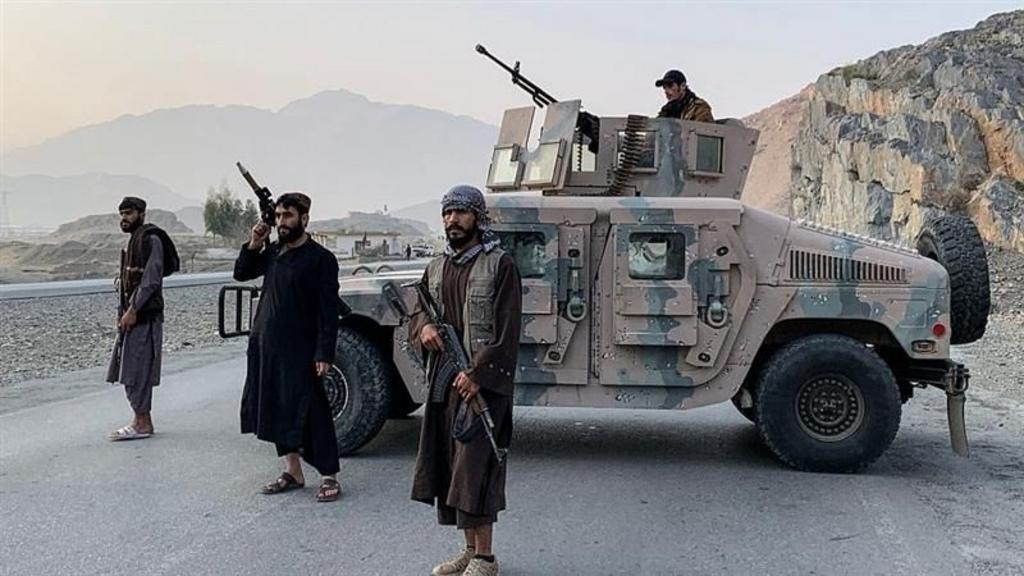
The phrase Pakistan Afghanistan open war has raised alarm across South Asia following Pakistan’s reported air strikes in Kabul and other provinces. When Pakistan’s defence minister declared “open war,” it signaled a sharp escalation in already fragile relations between Islamabad and the Afghan Taliban government.
This development suggests a move beyond covert tensions toward overt military confrontation.
Pakistan Afghanistan open war explained
In diplomatic language, “open war” implies direct and acknowledged military engagement. It indicates that hostilities are no longer limited to border skirmishes, intelligence operations, or proxy actors.
According to Afghanistan analyst Amin Saikal, the escalation is a “very serious development.” He argues that Islamabad intends to punish the Afghan Taliban for allegedly supporting the Tehrik-i-Taliban Pakistan (TTP), a militant group responsible for numerous attacks inside Pakistan.
The Afghan Taliban, however, deny backing anti-Pakistan militants.
Why Pakistan Afghanistan open war tensions escalated
Tensions have been building for years. Pakistan accuses the Taliban administration in Kabul of allowing militants to operate from Afghan territory. Meanwhile, Taliban officials argue that Pakistan exaggerates the threat.
Recent air strikes reportedly targeted areas in Kabul, Kandahar, and Paktia. Shortly after, Afghanistan’s Ministry of Defence claimed retaliatory action against Pakistani military positions.
Pakistan’s Information Minister Atta Tarar stated that Afghan drones were intercepted over Abbottabad, Swabi, and Nowshera. Abbottabad is known for housing a major military academy.
These exchanges indicate a rapid cycle of action and retaliation.
Military signaling and strategic messaging
Declaring “open war” does not automatically mean full-scale invasion. However, it does signal intent to escalate if necessary.
Such statements serve three purposes:
- Domestic reassurance — demonstrating strength to citizens.
- Military deterrence — warning the opposing side.
- Diplomatic pressure — shaping international perception.
Historically, Pakistan-Afghanistan relations have fluctuated since the Taliban returned to power in 2021. Regional actors and analysts, including reporting by BBC, describe the situation as one of the most serious escalations in recent years.
Humanitarian and regional risks
A prolonged Pakistan Afghanistan open war scenario would have severe consequences. Afghanistan faces economic hardship and international isolation. Pakistan is managing its own security and economic challenges.
Escalation risks include:
- Cross-border civilian displacement
- Expanded militant activity
- Trade disruption
- Broader regional instability involving neighboring powers
International observers, including assessments referenced by Al Jazeera, warn that sustained military confrontation would destabilize the wider region.
Could Pakistan Afghanistan open war become full conflict?
At present, the situation appears to be controlled escalation rather than declared total war. However, repeated strikes and retaliatory claims increase the probability of miscalculation.
Military experts note that rhetoric can outpace intent. Governments often use strong language while still leaving space for back-channel diplomacy.
Whether this becomes a prolonged conflict depends on:
- Taliban response strategy
- Pakistan’s internal security calculations
- External diplomatic mediation
The term Pakistan Afghanistan open war reflects a serious diplomatic and military escalation. It signals that both sides are prepared to respond forcefully to perceived aggression.
However, it does not yet confirm full-scale war. Instead, it marks a dangerous phase of overt confrontation that could either intensify or de-escalate through diplomacy.
Related posts:
 Touadéra Re-elected President of Central African Republic
 South Korea’s former president Yoon Suk Yeol Sentenced to Life for Leading 2024 Martial Law Insurrection
 MPs Debate Points-Based System for Traffic Offences
 Trump Warns Venezuela’s New President, Threatens Second Military Strike
 China, Russia & Iran Exercises Begin in South Africa
 Germany Defends Greenland’s Sovereignty after Trump’s speech
 Kenya Somalia Border Reopening: Ruto Announces April 2026 Plan
 Indonesia Prepares to Deploy 8,000 Troops to Gaza in Support of Peace Efforts
 Women Called to the Forefront of Environmental Protection in Rwanda
 Uganda election results 2026: Museveni takes early lead as deadly violence erupts
 Iran State TV Hack: Hackers broadcast exiled crown prince Amid protests
 NATO Secretary General Says Europe Is Fortunate to Have Trump in Power
 New START Treaty Expiry Alarm: Medvedev Warns World of Unchecked Nuclear Powers
 Trump Warns UK Over Closer China Ties
 Viktor Orban Hungary election 2025: War or peace at the ballot box
 Socialist Party support in Venezuela weakens after Maduro’s capture
 Trump to Meet Colombian President at White House
 Zelensky Rejects Ceasefire That Costs Ukrainian Territory
 Trump Pushes Greenland Purchase Talks, Refuses to Rule Out Military Action
 Life of Ugandan opposition leader Kizza Besigye in danger, wife warns