




Rwanda is seeking $12 billion in private and public financing to implement its national Climate action plan through 2035. The updated Climate strategy sets ambitious emission reduction targets and outlines how Climate investment will drive long term resilience and sustainable growth.
In December 2025, Rwanda submitted its third Nationally Determined Contribution under the Paris Agreement. The Climate commitment targets a 53 percent reduction in net greenhouse gas emissions compared to a business as usual scenario by 2035. This Climate target equals a reduction of 14.86 million tonnes of carbon emissions.
The Climate framework includes a 7 percent unconditional reduction financed through domestic resources and a 46 percent conditional reduction dependent on international Climate support. Officials say scaling Climate ambition requires strong private sector participation to close the financing gap.
Private Capital Central to Climate Strategy
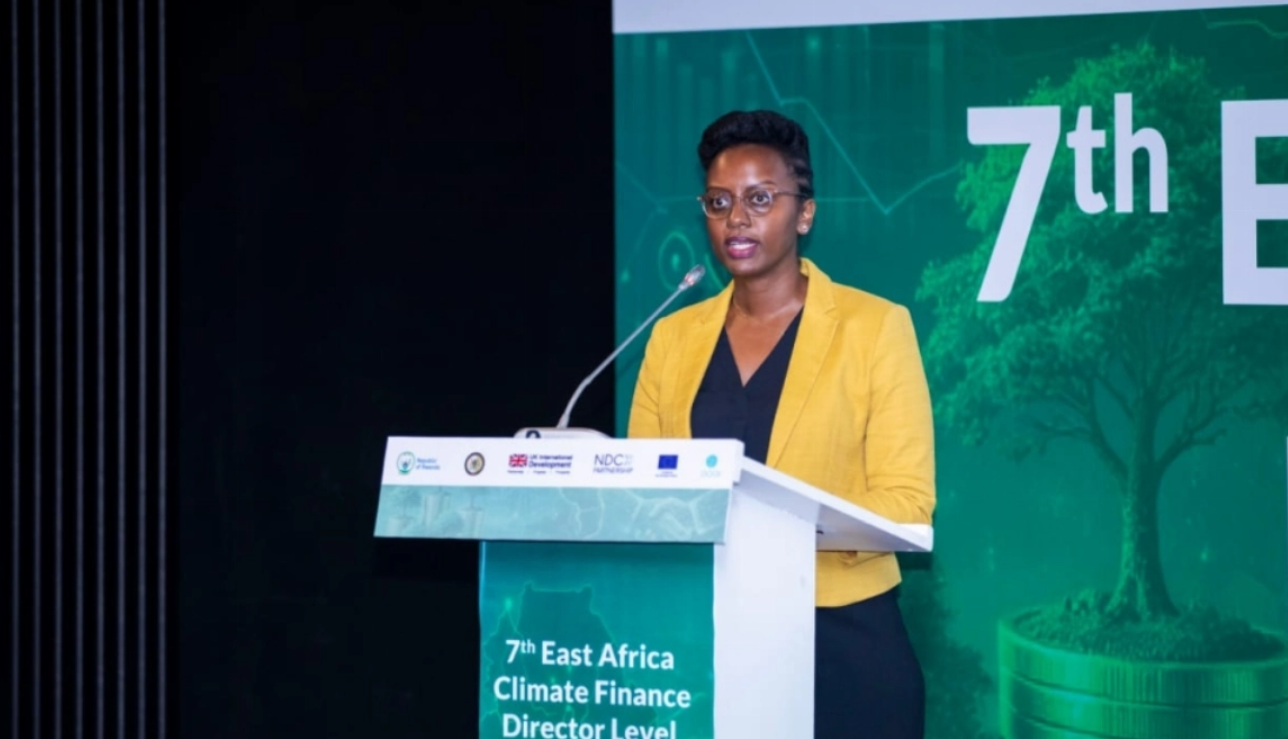
At the 7th East Africa Climate Finance Directors Level Meeting in Kigali, representatives from the Ministry of Finance and Economic Planning emphasized that private capital is essential for Climate implementation. Rwanda’s Climate financing gap cannot be covered by public funds alone.
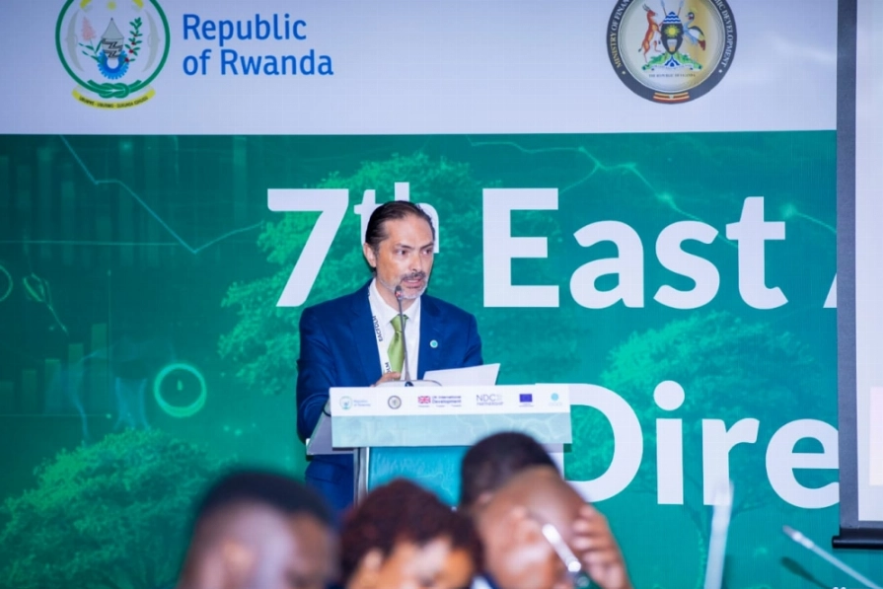
Climate finance specialist Elie Sebagabo said mobilizing private investors will unlock substantial Climate funding. He noted that structured Climate partnerships and market based instruments are critical to achieving national Climate objectives.
Climate Financing Instruments Under Review
Rwanda is strengthening Climate financing through carbon markets, green bonds and sustainability linked loans. Carbon markets allow Climate projects such as renewable energy and reforestation to generate tradable credits that fund verified Climate mitigation activities.
Green bonds support Climate friendly projects by earmarking capital for environmental investments. Sustainability linked loans reduce borrowing costs when companies meet Climate performance targets, reinforcing Climate accountability.
Blended finance combines public and private Climate funds to reduce investment risk. Rwanda has also secured more than $300 million from the International Monetary Fund to support Climate related reforms and policy stability.
Priority Climate Sectors and Coordination
Energy, agriculture and forestry represent the largest Climate mitigation opportunities. Of the $12 billion Climate requirement, 60 percent will support Climate adaptation measures that build resilience, while 40 percent will finance Climate mitigation efforts to cut emissions.
A Country Platform for Climate and Development will coordinate Climate investments, project pipelines and partnerships. Regional collaboration through the East African Community will strengthen Climate financing alignment and policy coherence.
Experts from the Global Green Growth Institute have highlighted the need for strong Climate project preparation to access global funding. Institutions such as the Green Climate Fund and the Global Environment Facility require well structured Climate proposals.
Long Term Climate Implementation
Rwanda established a dedicated Climate finance unit within the Ministry of Finance in December 2025 to strengthen Climate governance. Officials say Climate grants alone will not meet national targets, making private Climate capital essential.
Public private partnerships in transport, renewable energy and waste management will anchor Rwanda’s Climate transition. The government’s Climate roadmap signals a shift toward structured, market driven Climate financing through 2035.
Related posts:
 HEC: ANNOUNCEMENT FOR THOSE WISHING TO APPLY FOR A STUDENT LOAN
 Job: Bralirwa Plc is hiring
 From Studio to Stardom: Yago Thrilled by Album’s Turnover
 Senators Raise Concerns Over High Cost of Animal Feed, MINAGRI Outlines Government Measures
Job: Factory Supervisor Master Health
Senators Raise Concerns Over High Cost of Animal Feed, MINAGRI Outlines Government Measures
Job: Factory Supervisor Master Health
 Mastercard Foundation 2026 Internship (11 Months – Non-Extendable)
 Teaching job for A2
Apply for Office Based Call Centre Sales Consultants
Nursery Teachers job at New Generation Academy
Apply for Fullstack job opportunities
Teaching job for A2
Apply for Office Based Call Centre Sales Consultants
Nursery Teachers job at New Generation Academy
Apply for Fullstack job opportunities
 Huye District Calls on Families to Take Responsibility in Addressing the Growing Number of Street Children
 Credit Analyst job at BPR Bank Rwanda PLC
 Huye: Residents Say Access Roads Left Them Landless Without Compensation
 Apply for Driver job at CIP
 Rwanda’s Aviation Fuel Storage Reaches 12 Million Litres
 Job opportunities at UMUTANGUHA Finance
ADEPE Is hiring Procurement and Logistics Officer
Job opportunities at UMUTANGUHA Finance
ADEPE Is hiring Procurement and Logistics Officer
 Apply for Strategic Advisor at IHUZO Platform
 Lecturing Job at Protestant University of Rwanda
 Cuba Faces Jet Fuel Shortage as US Sanctions Tighten