




Rwanda plans to invest more than 500 million dollars to prepare for epidemics and future pandemics. The Ministry of Health presented this plan under the national strategy for outbreak readiness from 2026 to 2040. The plan aims to make Rwanda a regional hub for epidemic response.
Why strong epidemic systems matter
Research shows that 99 percent of African countries depended on imported medicine during Covid-19. This cost the continent more than 200 billion dollars. Rwanda wants to reduce this dependence through the Rwanda Epidemic and Pandemic Preparedness Plan. The plan focuses on prevention and early readiness.
Lessons from recent outbreaks
The country showed strong capacity during the Marburg outbreak. Rwanda recorded a low fatality rate of 22.7 percent. Officials believe this progress proves that early planning can save many lives. The new plan builds on these achievements.
Rwanda’s long-term goals
By 2040, the country aims to become Africa’s leading center for epidemic control. Rwanda hopes to provide health security services to more than 300 million people across the region. The plan also targets a sharp reduction in imported medical supplies.
Countries such as Kenya, Uganda, Tanzania and DR Congo have large populations. They spend more than 8 billion dollars each year on medical supplies and services. Rwanda aims to support this demand through local production.
Technology and early detection
The plan includes the use of artificial intelligence. Rwanda wants to detect epidemic threats within 48 hours. This will raise the country’s detection capacity to 95 percent through a single national system. The approach will also support modern laboratories and stronger research centers.
Support to the African health vision
The new system aligns with Africa’s strategy for public health security. Rwanda plans to produce more than 50 million vaccine doses across different categories. This will support at least 70 percent of its journey toward medical self-reliance by 2040.
Investment needed for the plan
The country will need more than 500 million dollars between 2026 and 2040. At least 160 million dollars will come from national sources and epidemic financing partners. More than 300 million dollars will support new infrastructure, advanced equipment and vaccine manufacturing.
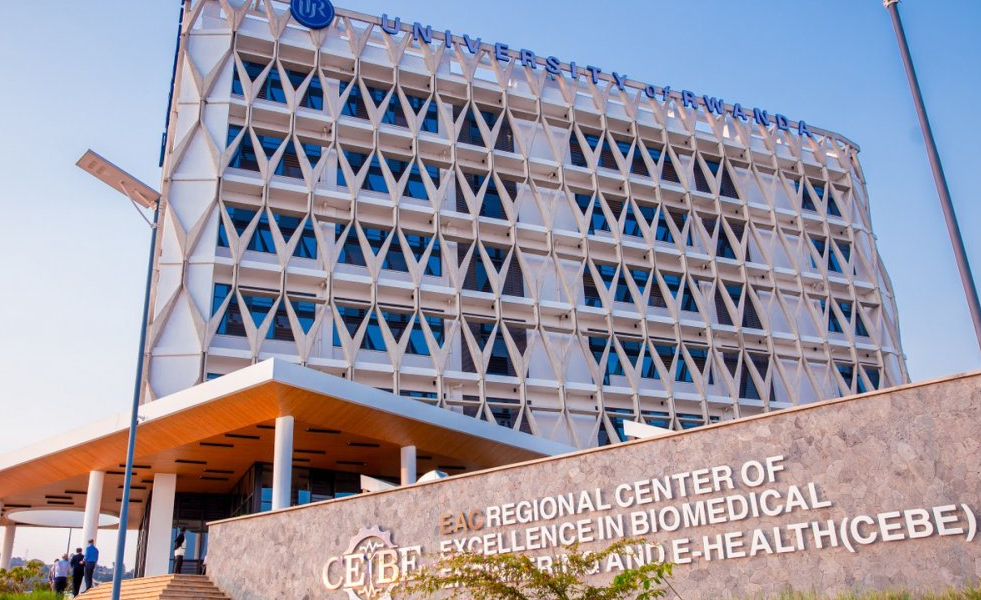
Around 200 million dollars will improve research facilities. Rwanda will also set up an innovation center to support advanced scientific work.
Expected economic benefits
Although the investment is large, the sector is expected to generate more than 650 million dollars every year by 2040. This revenue will come from vaccines, medicines, technology transfer and research services. The plan will also train more than 2,000 experts in biotechnology and medical production.
Phased implementation timeline
Funding mobilization and partner engagement will begin in 2026 and 2027. Infrastructure development will follow between 2027 and 2029. Rwanda plans to start full operations in 2030. After that, the country will expand its capacity until 2040.
Regional impact
The plan aims to reduce Africa’s heavy reliance on imported medical supplies. The current level is 99 percent. Rwanda wants the continent to expand its own medical production. The country is calling on regional governments, global organizations and private companies to join this effort.
A vision for Africa’s health security
The strategy aims to build strong protection against future epidemics. It will support sustainable development, economic growth and regional health security. Rwanda hopes this will create a safer future for African populations.
Related posts:
 From a Young Trader to a Business Leader: The Story of Alex Nyamwasa
 Job at Isange Coffee shop Supervisor
 Bitcoin Poised for Major Rally Ahead of September Fed Rate Decision
 Bisimwa Fires Back at Tshisekedi for Linking President Kagame to AFC/M23
 Why the Rich and Powerful Could Not Say No to Jeffrey Epstein
 An opportunities for Rwandan youth aged 18-25
 Applications for the MEST AI Startup Program are now open!
 Rwanda to Begin DNA Testing for Unborn Babies in 2026
 U.S. Reveals Hamas Planning Major Attack on Gaza Civilians
 Join Rwanda’s Premier Start Up and win prizes
 Panic Grips TikTok Users Duped by “End of the World” Prophecy
 Spiro Rwanda Marks Two Years of Electrifying Progress in Sustainable Mobility
 Rwanda’s Tourism Revenue Hits $647M in 2024, Targets $700M Boost with New Attractions and Global Events
Job opportunities: Apply for Human Resource and Administration Ecoplanet Bamboo Rwanda Ltd
Job: Reconciliation Officer at ASA
Rwanda’s Tourism Revenue Hits $647M in 2024, Targets $700M Boost with New Attractions and Global Events
Job opportunities: Apply for Human Resource and Administration Ecoplanet Bamboo Rwanda Ltd
Job: Reconciliation Officer at ASA
 5 reasons why Israel must forced to strike Iran.
 Gisagara Leaders Call on Investors to Invest in the District
 Mastercard and Microsoft Team Up to Bring AI Shopping to Consumers
 Rwanda: Small and Medium Enterprises Unlocking New Opportunities Through Technology
 Europe: Apple Announces Major Investment in Renewable Energy Project
Tham gia chơi tại 888SLOT không chỉ đem lại cơ hội cá cược hấp dẫn mà còn đi kèm với nhiều ưu điểm nổi bật giúp nâng cao trải nghiệm của người chơi. TONY12-19