





Disruption Satellite
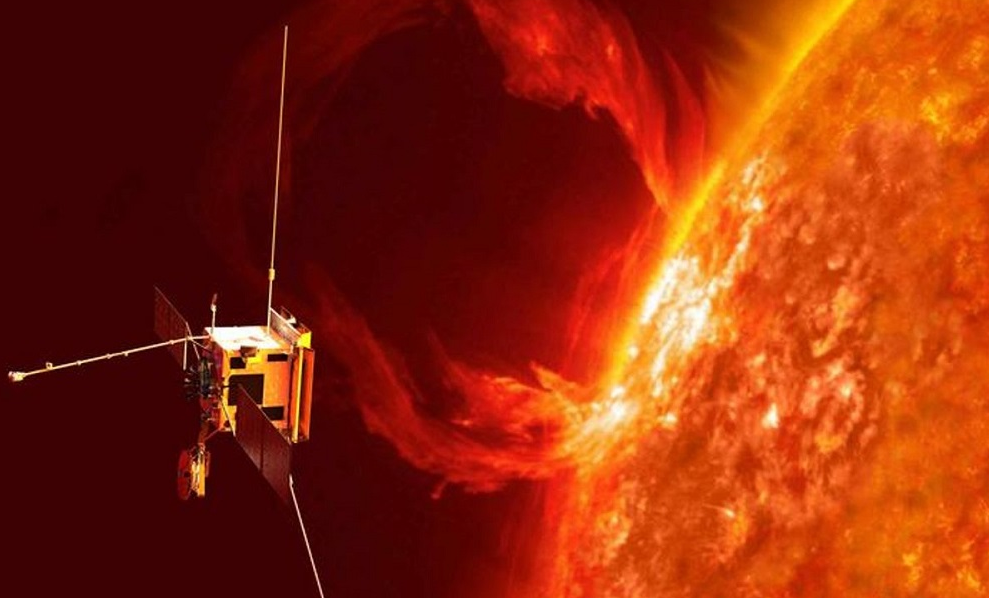
Powerful solar activity recently detected by space weather experts could disrupt satellite operations and GPS systems, according to the United States Space Weather Prediction Center (SWPC).
SWPC reported that the Sun has released high-energy solar emissions classified at Level Four, one of the strongest categories of solar storms. These emissions pose potential risks to human-made systems operating in space, particularly communication satellites and navigation technologies.
Understanding Solar Storm Intensity Levels
To simplify the impact of solar energy, experts compare it to rainfall.
Lower-level solar activity is like light rain that causes minimal disruption and passes quickly.
However, the most severe level, Level Five, is comparable to destructive rainfall that causes floods and major damage.
The current Level Four solar emissions fall just below the most extreme category. While these solar particles do not directly reach the Earth’s surface due to the planet’s protective atmosphere, they significantly affect systems operating beyond it.
Satellites and GPS Most at Risk
According to SWPC, satellites used for communication, navigation, and GPS services are the most vulnerable during intense solar storms. Such activity can interfere with satellite signals, disrupt space-based operations, and affect aviation and power infrastructure.
The agency noted that similar solar activity last occurred in 2003, when parts of the world experienced power outages, disruptions to space missions, and interruptions to air travel.
Authorities Put on High Alert
SWPC confirmed it is continuously informing key stakeholders, including aviation authorities, emergency response agencies, NASA, and technology infrastructure operators.
“We have been making continuous calls to ensure that all critical infrastructure leaders are fully aware of what is happening,” said Shawn Dahl, a space weather forecaster at SWPC.
The agency has also advised astronauts to remain in protected areas to reduce exposure to harmful radiation caused by the solar emissions.
Brighter Auroras Expected Worldwide
One visible effect of the solar storm will be intensified auroras, commonly known as the Northern and Southern Lights. These colorful light displays usually appear near the Earth’s polar regions, but due to the strength of the solar activity, they may be visible in wider areas.
Auroras appear as glowing waves of light resembling rainbow colors in the night sky. They are rarely visible during the day and are best observed at night in dark areas away from city lights.
SWPC advises those interested in observing auroras to seek dark locations far from urban lighting to fully experience the phenomenon.

Related posts:
 China vs SpaceX: An Analysis of LandSpace’s Reusable Rocket Challenge
 UGHE Launches Rwanda’s First HD²SS System
 ChatGPT to Introduce Adult-Oriented Erotic Content
 Spotify Updates Its AI DJ Feature Here’s What’s New
 AI Tutors Reshape the Future of Education
 Rwanda invests 300 billion Rwf in towers: A solution to Internet issues
 Companies Turn to AI for Smarter Decision-Making
 Security Alert: Google Subpoena Scam Targets Users with Sophisticated Phishing Tactics
 Canada Voices Growing Worry It Could Be Next After Trump’s Greenland Signals
 X Launches “About This Account” Feature to Boost Transparency and Fight Fake Profiles
 How Close Is Rwanda to Becoming Africa’s FinTech Innovation Center?
 WhatsApp Starts Testing AI Feature on Android Beta!
 Meta to Shut Down Messenger App on Mac and Windows by December 2025
 NSO Group Banned from Targeting WhatsApp Users Again
 Samsung Profits Surge Amid Soaring Global Demand for AI Technology
 Blue Origin Rocket Launches Two NASA Spacecraft Toward Mars
 Grok Admits Security Flaw After AI-Generated Images of Minors Appeared on X
 Russia Targets WhatsApp in Growing Battle With Foreign Tech Giants
 How AI Is Transforming App Creation Through “Vibe Coding”
 4.3 Million Rwandans Have Gained Digital Literacy