





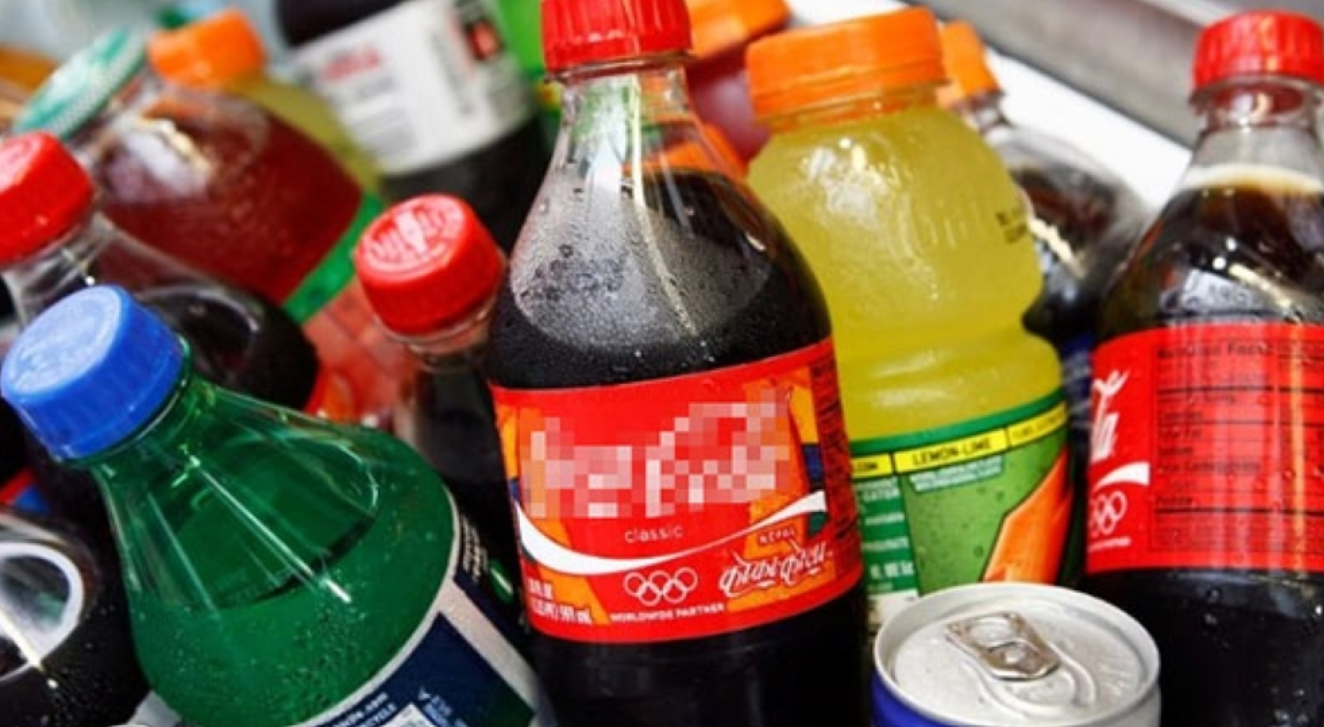
The World Health Organization (WHO) has urged governments to raise so-called “health taxes” on sugary drinks and alcoholic beverages, warning that falling prices are fuelling preventable diseases and injuries worldwide.
In two reports released on January 13, WHO said weak and poorly designed tax systems have allowed products linked to obesity, diabetes, heart disease, cancer, and alcohol-related harm to remain widely affordable. As a result, health systems already under strain now face rising costs from preventable illnesses.
Health taxes as a prevention tool
WHO Director-General Tedros Adhanom Ghebreyesus said health taxes remain one of the most effective tools for protecting public health.
“Health taxes reduce harmful consumption while generating revenue for health services,” he said. “They help prevent disease and save lives.”
However, WHO noted that while sugary drinks and alcohol generate billions of dollars in global sales each year, governments capture only a small share of this revenue through targeted taxes. Consequently, families and public health systems bear most of the costs, including treatment expenses, lost productivity, and premature deaths.
Gaps in sugary drink taxation
According to the report, at least 116 countries tax sugary drinks. Most of these taxes apply only to carbonated soft drinks. Meanwhile, many high-sugar products remain untaxed, including sweetened milk drinks, ready-to-drink teas and coffees, and 100 percent fruit juices.
WHO warned that these gaps significantly weaken the impact of taxation. Although 97 percent of countries tax energy drinks, this figure has not increased since 2023, showing stalled progress.
Alcohol becoming more affordable
The agency found that 167 countries tax alcoholic beverages, while 12 ban alcohol entirely. Despite this, alcohol has become more affordable, or stayed at the same price, in most countries since 2022.
One key reason is that tax rates have not kept pace with inflation or income growth. In at least 25 countries, mostly in Europe, wine remains completely untaxed.
“More affordable alcohol leads to violence, injuries, and disease,” said Dr Etienne Krug, Director of WHO’s Department of Health Determinants, Promotion and Prevention. “While companies increase profits, societies pay the price.”
Low tax shares, high health costs
WHO found that taxes make up only a small share of retail prices. Median excise taxes account for about 14 percent of beer prices and 22.5 percent of spirits. For sugary drinks, taxes average just 2 percent of the price of a soda.
Moreover, many governments fail to adjust these taxes for inflation. As a result, real prices fall over time, making unhealthy products even more accessible.
Public support and global push
Despite political resistance in some countries, WHO said public backing already exists. A 2022 Gallup poll showed that most people support higher taxes on alcohol and sugary drinks.
To accelerate action, WHO is urging governments to strengthen and redesign health taxes through its “3 by 35” initiative. The campaign focuses on tobacco, alcohol, and sugary drinks as priority products for taxation.
According to WHO, effective health taxes could reduce disease, ease pressure on health systems, and generate sustainable funding for public services.
Related posts:
 Rwanda to Produce Medical Radionuclides
 29% of Men and 23% of Women Unaware of HIV Status
 Gaps in Childhood Immunization Persist as Parents Cite Challenges in Huye
 Over 42,000 People Infected With Tuberculosis in Seven Years
 Over 500 Children Killed by Malaria in Rwanda Over the Last Five Years
 Nearly One in Four Births Were Caesarean Deliveries
 Over 400,000 Rwandans Diagnosed With Malaria in Three Months
 WHO Universal Health Coverage Report Shows Billions Still Lack Access to Health Services