



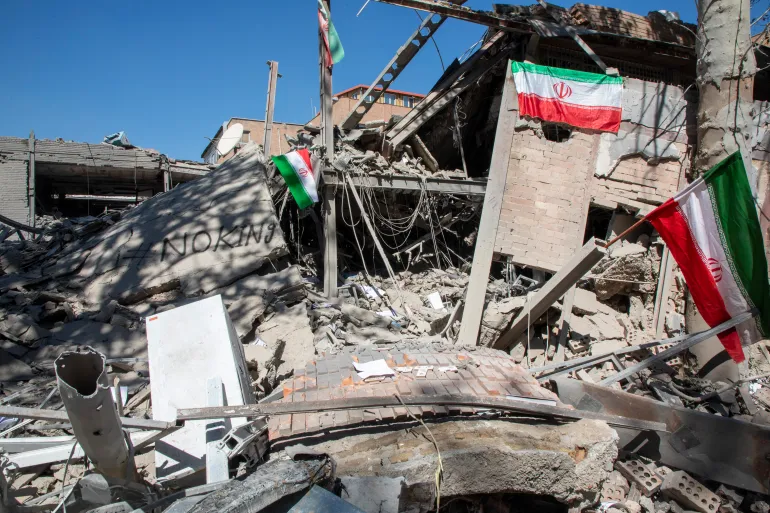
While the image itself was artificial, the message behind it has forced Canada to confront an uncomfortable possibility. An AI-generated post shared by US President Donald Trump, showing American flags over Canada, Greenland, and Venezuela, quickly circulated online and reignited tensions between Ottawa and Washington.
Such provocations are not new in Canada–US relations under Trump. What has changed, however, is Canada’s reaction. Initial disbelief and outrage have evolved into determination and strategic preparation. Canadian leaders now appear more focused on strengthening resilience against what they view as increasingly aggressive political and economic pressure from the United States.
Speaking at the World Economic Forum in Davos, Prime Minister Mark Carney warned that powerful nations are weaponizing trade, supply chains, and economic integration. Though he avoided directly naming the US, Carney described the current moment as a major global rupture, stressing that middle powers must unite or risk being sidelined altogether.
Canada Reinforces Arctic Defense and Backs Greenland
Canada is significantly increasing its defense commitments, particularly in the Arctic. After investing nearly a billion dollars to secure its southern border, Ottawa is now allocating billions more toward protecting its northern frontier.
Carney reaffirmed Canada’s support for Greenland and Denmark, emphasizing their right to determine Greenland’s future. He also identified Russia as the primary threat to Arctic security. Canada, he said, is working closely with NATO allies—including Nordic and Baltic partners—to reinforce the alliance’s northern and western defenses through major investments in radar systems, submarines, aircraft, and troop deployments in Arctic regions.
One of Carney’s first moves as prime minister was approving more than $4 billion for an advanced over-the-horizon radar system to improve early warning capabilities. He also committed to maintaining a stronger, long-term military presence in the Arctic, signaling a clear shift in Canada’s defense posture.
Strategic Cooperation—and Lingering Uncertainty
Despite these efforts, Canada’s strategic position remains complicated by its close military and geographic ties to the United States. Canada shares extensive land and maritime borders with both the US and Greenland, making cooperation unavoidable. For decades, Canada has worked alongside the US through NATO and NORAD, including recent joint operations in Greenland.
NORAD confirmed that aircraft from both countries are currently operating in Greenland as part of long-planned missions involving Denmark, highlighting continued trilateral defense coordination. Still, questions remain about whether these measures will satisfy the Trump administration.
Those concerns surfaced when the US ambassador to Canada, Pete Hoekstra, was asked whether Washington might intervene if it believed Canada could not adequately defend its Arctic territory. He dismissed the scenario as hypothetical, noting Canada’s stated desire for close coordination with the US on Arctic security.
Behind the scenes, Canadian officials are reportedly considering deploying troops to Greenland as a symbolic gesture supporting its sovereignty. That possibility reinforces Carney’s message in Davos: that cooperation rooted in legitimacy, shared rules, and collective action offers an alternative path in an increasingly confrontational global landscape.
MORE STORIES:
 Zelensky Ukraine Russia US talks seen as step toward ending war
 Ukraine, France and UK Sign Declaration on Multinational Forces
 Rwanda’s Foreign Minister Tells EU Parliament It Has No Authority Over Rwanda
 Khamenei warns protesters as Iran faces widespread internet blackout
 UK–China Relations Enter New Phase as Starmer Seeks Reset
 Pakistan Afghanistan open war: What the statement really means
 Hamas Rejects Calls to Disarm Amid Ongoing Israeli Control of Gaza
 China, Russia & Iran Exercises Begin in South Africa
 Touadéra Re-elected President of Central African Republic
 North Korea Ninth Party Congress: Kim Jong Un’s Five-Year Strategy and Military Showcase
One thought on “Canada Voices Growing Worry It Could Be Next After Trump’s Greenland Signals”