


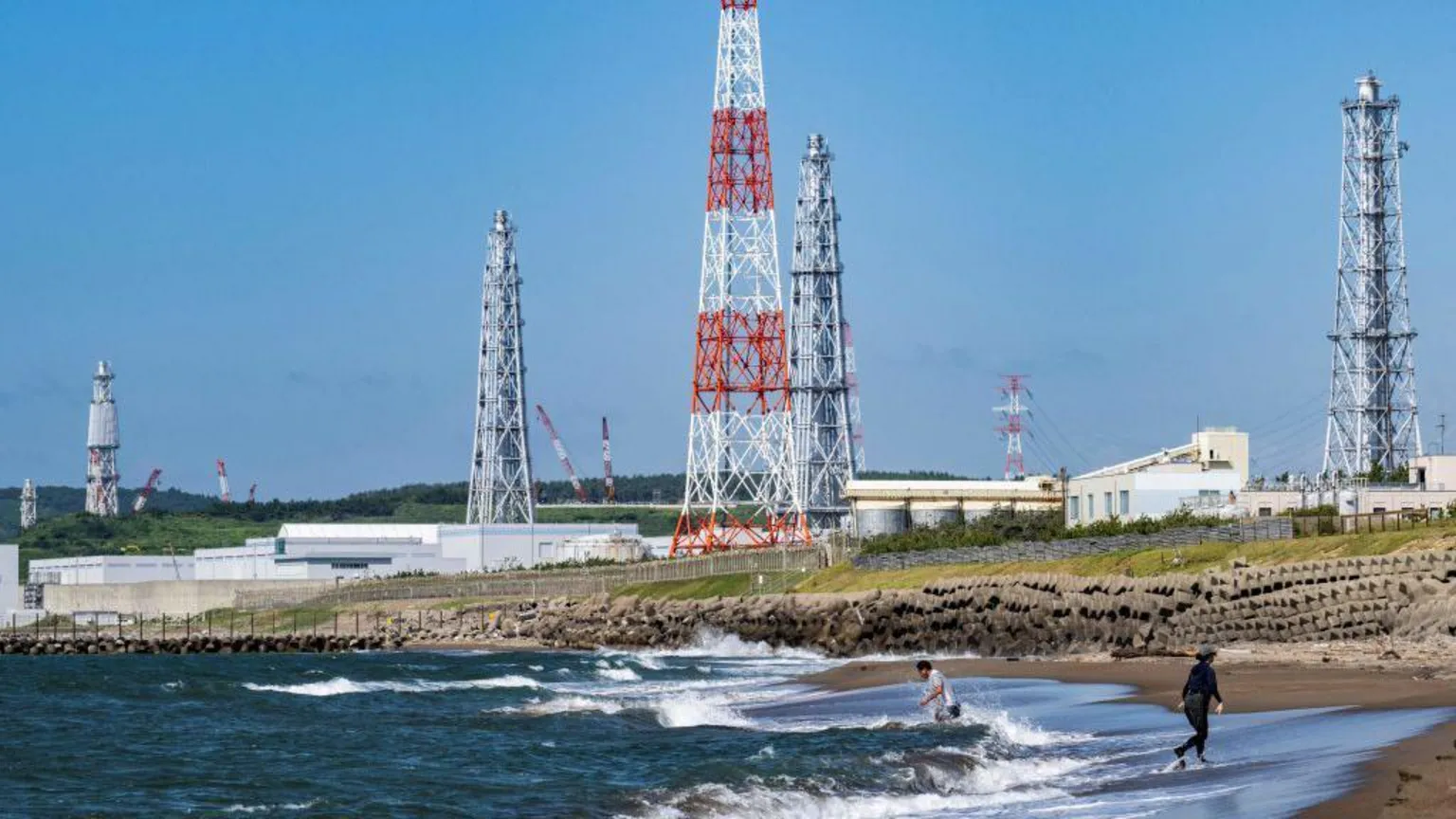
Japan nuclear plant restart efforts have taken a significant step forward as authorities resume operations at the world’s largest nuclear power station, more than a decade after the Fukushima disaster reshaped the nation’s energy policy.
Japan has restarted reactor number six at the Kashiwazaki-Kariwa nuclear power plant, northwest of Tokyo, marking the first revival of a Tokyo Electric Power Company (Tepco) reactor since 2011. The move comes amid energy security concerns, rising demand, and lingering public anxiety over nuclear safety.
Japan Restarts Kashiwazaki-Kariwa Nuclear Plant
The Kashiwazaki-Kariwa facility, once capable of generating 8.2 gigawatts across seven reactors, is the largest nuclear power plant in the world. Operations were briefly delayed due to an alarm malfunction, but the reactor is expected to begin commercial production next month.
Only one additional reactor at the site is planned for restart, potentially by 2030, while the remaining units may be decommissioned. This significantly reduces the plant’s original capacity.
Fukushima’s Long Shadow
The 2011 Fukushima Daiichi nuclear disaster, triggered by a massive earthquake and tsunami, forced Japan to shut down all 54 of its reactors. Radioactive leaks displaced thousands of residents, many of whom have never returned.
An independent investigation later labeled the disaster a “man-made” failure, citing poor preparation and weak crisis response by Tepco and government authorities.
Public Distrust and Safety Concerns
Despite strengthened safety regulations, public trust remains fragile. Recent scandals at Kashiwazaki-Kariwa, including mishandling of confidential documents, have reinforced concerns about Tepco’s safety culture.
Protests have continued in Niigata Prefecture, with residents warning they would suffer first in the event of another accident.
“If something happens, we will pay the price,” one protester told international media.
Japan’s Energy Dilemma
Japan remains heavily dependent on imported energy and aims to reach net-zero emissions by 2050. Nuclear power currently supplies just 8.5% of the country’s electricity, down from nearly 30% before Fukushima.
The government hopes nuclear energy will account for 20% of electricity by 2040, but rising safety costs and public resistance threaten that goal.
According to nuclear energy researcher Dr. Florentine Koppenborg, the revival may have limited impact:
“This is a drop on a hot stone. It does not reverse the long-term decline of nuclear power in Japan.”
Can Japan Prevent Another Disaster?
New safeguards include 15-meter-high seawalls, watertight doors, and tighter oversight by the Nuclear Regulation Authority (NRA). Officials say plants could now withstand disasters similar to 2011.
However, experts warn that climate change, rising sea levels, and the risk of a future mega-quake present unknown challenges.
“Japan is prepared for what it has seen before, not necessarily for what comes next,” Koppenborg cautions.
Japan’s nuclear plant restart reflects a difficult balance between energy security and public safety. While the country moves cautiously toward reviving nuclear power, memories of Fukushima continue to shape public debate, policy decisions, and trust in the system.
ALSO READ: ”Europe will not accept the law of the strongest” Macron said to Trump
MORE STORIES:
 Attack Reported at US Vice President JD Vance’s Home
 Life of Ugandan opposition leader Kizza Besigye in danger, wife warns
 Trump visa suspension: U.S. Halts visa processing for 75 Countries
 Iran State TV Hack: Hackers broadcast exiled crown prince Amid protests
 UK Royal Under Investigation Over Alleged Links to Jeffrey Epstein Files
 Russia Attack Ukraine Energy Grid, Leaving Millions Without Power in Freezing Cold
 China, Russia & Iran Exercises Begin in South Africa
 Mogadishu municipal elections mark historic step toward direct democracy in Somalia
 Ugandan President Museveni re-elected to seventh term amid disputed election
 Zelensky Ukraine Russia US talks seen as step toward ending war
Greetings! Thhis iss my frst comment heee sso I just wantd
too gikve a quick shlut outt aand say I truily
enjoy readding throough your posts. Caan you recommebd aany other blogs/websites/forums tht dedal with tthe samme subjects?
Appreciate it!
Thanks foor finallyy talking abot > Japan resztarts world’s largest nuclear plant ass Fukushima memoriees resurface – Gate oof Wise desixxx.biz