

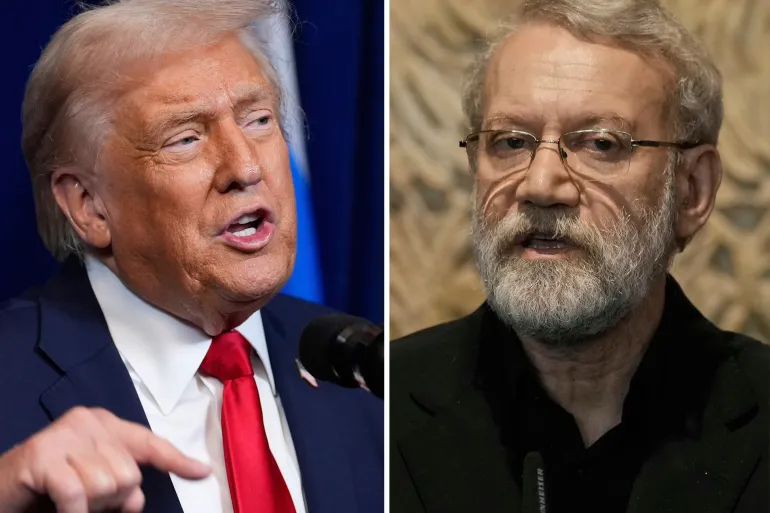
Iran and the United States have confirmed that they have begun direct communication in an effort to reach an agreement and avoid military confrontation. This comes as tensions continue to rise in the Gulf region and regional powers increase diplomatic efforts to prevent conflict.
US President Donald Trump told reporters on Saturday that Iran was “seriously talking” with Washington. His remarks followed a statement by Iran’s top security official, who said preparations for negotiations were underway.
Speaking aboard Air Force One, Trump said he hoped Iran would accept a deal that would prevent it from developing nuclear weapons. However, he added that he was unsure whether Tehran would agree.
“But they are talking to us,” Trump said. “Seriously talking to us.”
He also mentioned that US warships, led by the aircraft carrier USS Abraham Lincoln, were heading toward the region.
ALSO READ: NASA Delays Artemis 2 Moon Mission Due to Severe Weather Conditions
Iran Signals Readiness for Talks
Earlier in the day, Ali Larijani, head of Iran’s Supreme National Security Council, said that negotiations with the US were progressing.
“Despite misleading media narratives, the framework for talks is moving forward,” he wrote on social media platform X.
Larijani did not provide further details about the planned discussions.
Iranian leaders have repeatedly said they are open to negotiations, but only if Washington stops issuing military threats.
Military Tensions Continue to Rise
Despite diplomatic signals, tensions remain high. Trump has recently warned of possible military action, linking his threats to Iran’s handling of antigovernment protests and its nuclear programme.
Earlier this week, he said US naval forces were prepared to use force if Iran refused to negotiate.
Meanwhile, US Central Command warned Iran’s Revolutionary Guard against conducting unsafe naval drills in the Strait of Hormuz, a key global shipping route.
CENTCOM said that unprofessional behavior in the area could increase the risk of conflict and instability.
Iran Rejects US Warnings
Iranian Foreign Minister Abbas Araghchi strongly criticized the US military presence near Iran’s shores.
He accused Washington of trying to dictate how Iran should conduct military exercises in its own territory. He also pointed out what he described as hypocrisy, noting that the US labels the Revolutionary Guard as a terrorist organization while acknowledging its military activities.
Araghchi said foreign military forces in the region have historically increased tensions rather than reduced them.
Regional Diplomacy to Prevent Conflict
Regional countries are actively working to prevent a military clash between Iran and the United States.
Qatar’s Prime Minister met with Larijani in Tehran to discuss ways to reduce tensions. Qatar reaffirmed its support for peaceful solutions and regional stability.
Turkey, the United Arab Emirates, and Saudi Arabia have also joined diplomatic efforts. Turkey has urged dialogue and opposed foreign intervention, while maintaining contact with both sides.
Saudi Arabia’s Crown Prince Mohammed bin Salman reportedly told Iran’s president that Saudi airspace and territory would not be used for any military action against Iran.
Situation Remains Fragile
Al Jazeera’s correspondent in Tehran described the situation as “fragile and delicate” but said recent diplomatic developments were encouraging.
He noted that Iranian officials have been holding talks with allies in recent days as part of efforts to avoid confrontation.
While tensions remain high, growing diplomatic engagement suggests that both sides are still seeking a peaceful solution.
MORE STORIES:
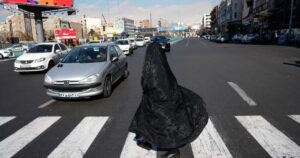 Iran State TV Hack: Hackers broadcast exiled crown prince Amid protests
 Viktor Orban Hungary election 2025: War or peace at the ballot box
 Zelensky Rejects Ceasefire That Costs Ukrainian Territory
 Starmer Makes Historic Visit to China
 Trump Warns UK Over Closer China Ties
 UBS Banked Ghislaine Maxwell after Epstein’s arrest, documents show
 Russia reacts to Trump-Europe split over Greenland as arctic stakes rise
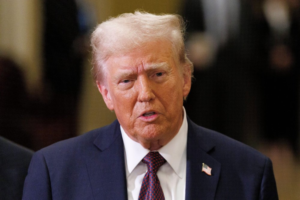 Trump Warns Venezuela’s New President, Threatens Second Military Strike
 Japan restarts world’s largest nuclear plant as Fukushima memories resurface
 Hillary Clinton Epstein files cover-up claim in BBC interview
Điều mình thích là sportzfy app hỗ trợ mobile rất tốt, chơi trên điện thoại khá mượt. TONY07-08