
The United Arab Emirates has announced it will leave OPEC and its extended alliance OPEC+ next month, ending nearly six decades of membership.
Officials say the move will allow the country to increase oil production and respond more flexibly to global energy demand. The decision follows years of investment aimed at expanding production capacity.
Energy leaders in the UAE believe that operating outside the group will remove quota restrictions and give the country greater control over output levels.
Background on OPEC and Its Role
OPEC was founded in 1960 by major oil producing nations including Iran, Iraq, Kuwait, Saudi Arabia and Venezuela. The group coordinates production levels to stabilize oil prices and ensure steady revenue for member states.
The UAE joined in 1967 and has been one of the more consistent members in complying with production agreements. Its departure will reduce the group’s production capacity and influence in global markets.
Analysts note that OPEC will now operate with fewer members, which could challenge its ability to manage supply effectively.
Market and Economic Implications
The UAE’s exit may reshape oil market dynamics. By increasing production independently, the country could contribute to lower global oil prices over time. However, this shift may also introduce greater volatility in the market.
Experts suggest that the UAE has a lower break even production cost compared to some other producers. This allows it to remain profitable even when prices fall, giving it a competitive advantage.
The move could also influence how other oil producing nations approach their participation in OPEC and OPEC+.
Geopolitical and Strategic Impact
The decision comes amid ongoing geopolitical tensions in the Middle East, which have already disrupted supply chains and increased energy prices.
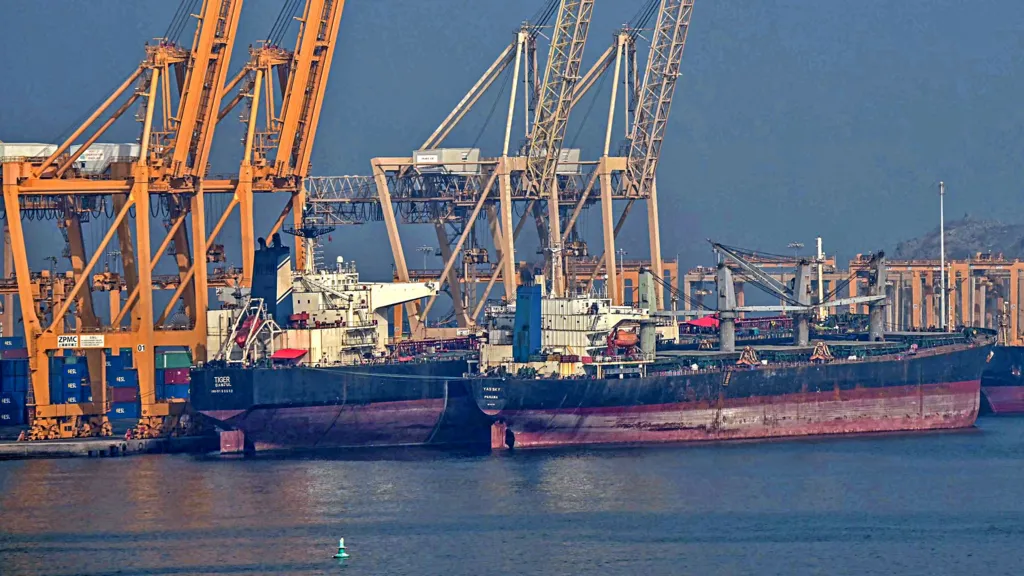
Global institutions have warned that supply disruptions, including those affecting key shipping routes, may continue to impact energy markets. Rising fuel costs could have broader economic effects, especially for lower income populations.
The UAE’s exit also aligns with its strategy to strengthen international partnerships and expand its role in global energy markets.
Risks and Opportunities for the Energy Sector
For OPEC, the departure represents a potential weakening of collective influence. If other members follow a similar path, the group may face challenges in coordinating supply and stabilizing prices.
At the same time, the UAE’s move creates opportunities for increased production and market flexibility. This could support long term energy supply but may also lead to price fluctuations.
For global markets, the balance between supply expansion and geopolitical risks will remain a key factor shaping oil prices and energy security.