






Social media platforms are now used by more than five billion people worldwide. Every day, billions of posts, videos and images may or are uploaded across Facebook, TikTok, Instagram, X, LinkedIn and Pinterest. With such an overwhelming amount of content, platforms rely on social media algorithms to organize and deliver relevant information to each user.
This guide provides a clear explanation of what algorithms are, why platforms keep changing them, and how each major social network ranks content in 2025. It also outlines the best strategies to optimize your content for maximum visibility and engagement.

What Are Social Media Algorithms
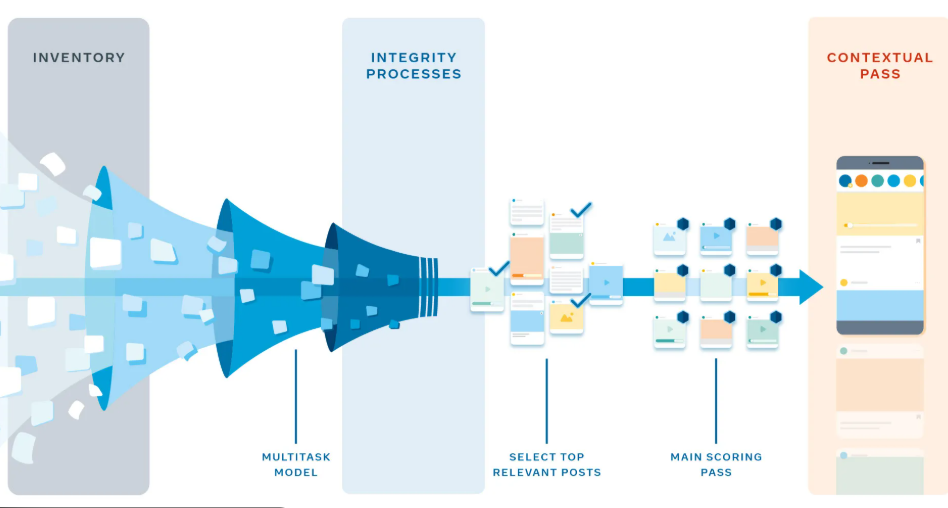
A social media algorithm is a system of rules, calculations and machine learning processes that decides how content behaves on a platform. These systems evaluate billions of data points to determine which posts appear first in a feed, which videos are recommended, which ads are shown, and which topics trend.
Algorithms help:
• Maintain order across huge volumes of content
• Prioritize useful or relevant posts
• Filter out harmful, low-quality or misleading content
• Personalize user experiences
Since more than half of the world’s population uses social media, algorithms are essential for organizing content in a meaningful way.
ALSO READ: From Chatbots to AI Agents: How Artificial Intelligence Has Evolved
Why Algorithms Exist and Why They Change
Algorithms sort content so that each user sees information that matches their interests, location, behavior and connections. The goal is to improve user satisfaction and encourage longer engagement on the platform.
However, algorithms are not perfect. Research findings from 2024 show that:
• Many viral videos were not relevant to users
• Around 64 percent of users encountered misleading information
• About 60 percent came across content showing dangerous behavior
Because algorithms influence public opinion, safety and global communication, platforms regularly adjust them to improve accuracy and reduce harmful outcomes.
For marketers, creators and brands, these updates require ongoing adjustments to strategy. High-quality, relevant and trustworthy content remains the best way to stay visible.
How Major Social Media Algorithms Work in 2025
Each social platform uses a different ranking system. Below is a detailed breakdown of how the most influential platforms rank content today.
Facebook Algorithm Explained
Facebook uses a ranking system known as Meaningful Social Interactions. It prioritizes posts that spark conversations, build relationships and keep users engaged. The four major ranking signals are:
- Popularity
- Content type
- Relationship strength
- Recency
Organic reach also continues to drop on Facebook. In 2024 the average organic reach was under five percent. Engagement rates remain low, especially for larger pages.
How to succeed on Facebook in 2025
• Encourage comments more than likes
• Publish engaging live videos
• Use Stories to bypass feed limitations
• Reply quickly to followers
• Share credible and relevant external content
TikTok Algorithm Explained
TikTok uses a powerful personalization engine that builds the For You Page. TikTok does not prioritize follower count. Even new accounts can go viral if their videos perform well.
TikTok evaluates:
• User interactions
• Video details such as captions, hashtags and sounds
• Device and account settings
How to succeed on TikTok in 2025
• Capture attention within the first two seconds
• Use short, engaging and fast-paced videos
• Choose niche-specific hashtags
• Optimize for rewatches and completion rates
X (Formerly Twitter) Algorithm Explained
X uses a ranking model that values real-time relevance. In 2025, the platform evaluates:
• Recency
• Virality
• Relevance to user interests
• Geographic location
• Account specialization
How to succeed on X
• Share niche-focused content
• Post during peak activity times
• Interact with relevant accounts
• Build topical authority through consistency
Instagram Algorithm Explained
Instagram analyzes six major ranking signals:
- User interest
- Relationship with the poster
- Likelihood of interaction
- Recency
- Following count
- Time spent on the platform
Carousels usually receive three times more engagement than other formats. Reels continue to perform strongly because the platform promotes short video content.
How to succeed on Instagram
• Focus on Reels and carousels
• Encourage shares and saves
• Experiment with new features
• Use clear and engaging storytelling
LinkedIn Algorithm Explained
LinkedIn remains the leading platform for professional networking. Its algorithm emphasizes:
• High-value content
• Relevance to a user’s industry
• Connection strength
• Depth of engagement
• Dwell time
Also it focus on quality discussion has increased viral activity significantly since 2018.
How to succeed on LinkedIn
• Use three to ten relevant hashtags
• Encourage thoughtful comments
• Focus on long-form or informative content
• Participate in groups and industry conversations
• Use analytics to refine your posts
Pinterest Algorithm Explained
Pinterest uses a unique discovery-based ranking model. It evaluates:
- Topic relevance
- Pin quality
- Domain quality
- Pinner reputation
It also analyzes a user’s past behavior to offer highly personalized content. In recent years the platform has moved toward values-centered content, reflecting shifts in consumer behavior.
How to succeed on Pinterest
• Create visually strong pins
• Maintain consistent posting
• Emphasize value-driven messages
• Test Pinterest ads for higher reach
Related posts:
 Artificial Intelligence in Rwanda: How It Is Transforming Everyday Life
 Concerns About AI Technology That Could Surpass Human Intelligence
 Spotify Updates Its AI DJ Feature Here’s What’s New
 WhatsApp Starts Testing AI Feature on Android Beta!
 Rwanda Adopts Advanced Technology to Improve Disaster Communication Systems.
 Rwanda Launches International Cybersecurity Training Center (Cyber Academy)
 You must have these 5 apps in your phone 2025
 How Close Is Rwanda to Becoming Africa’s FinTech Innovation Center?
 The Most Expensive Phone in the World: A Glimpse Into Ultimate Luxury
 Google Not Required to Sell Chrome or Android, U.S. Court Rules
 Flying Cars on the Way: XPeng’s Ambitious Roadmap Wins Over Investors
 NSO Group Banned from Targeting WhatsApp Users Again
 Rwanda: Small and Medium Enterprises Unlocking New Opportunities Through Technology
 Meta to Shut Down Messenger App on Mac and Windows by December 2025
 France Fines Google and Shein Over 800 Billion Rwandan Francs for Privacy Violations
 Amazon to Build 12 Nuclear Energy Plants Similar to Those Planned in Rwanda
 Nvidia Invests $1B in Nokia to Boost AI-Driven 6G
 iPhone 17 Pro: What You Need to Know about iPhone 17 Pro
 Rwanda Coding Academy (RCA) to Expand Across the Country to Boost Rwanda’s Tech Ambitions
 Samsung Profits Surge Amid Soaring Global Demand for AI Technology