




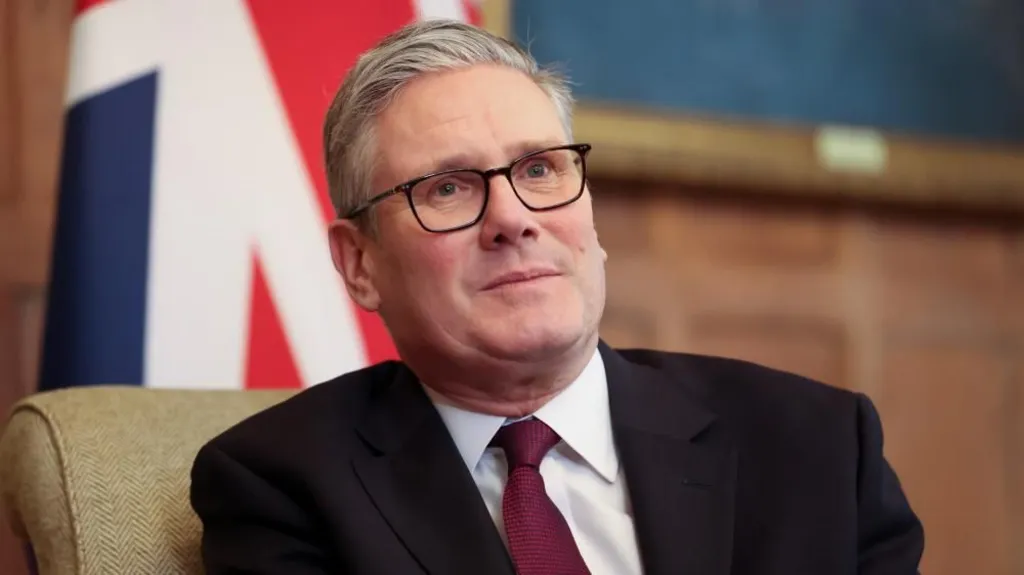
Prime Minister Sir Keir Starmer is travelling to Beijing, marking the first visit by a British leader to China since 2018. During his trip, he is expected to meet President Xi Jinping on Thursday.
Accompanying him are around 60 leaders from the UK’s business and cultural sectors. These include representatives from HSBC, GSK, Jaguar Land Rover, and the National Theatre. Their presence highlights the government’s intention to strengthen economic and cultural ties with China.
ALSO READ: Brutal Cold and Snowstorm Turn Deadly in NYC
enewing UK–China Relations
The visit represents a major step in the government’s effort to rebuild relations with Beijing after years of fluctuating policies. Critics, however, argue that China’s political system and global ambitions make it an unreliable partner and warn against closer cooperation.
Downing Street insists that renewed engagement is necessary for Britain’s long-term interests, especially given China’s influence on the global economy.
Human Rights and Security Concerns
When asked whether human rights issues would be raised, government officials said the prime minister would address sensitive matters where British values differ from China’s.
China faces international criticism over alleged abuses against Uyghur Muslims in Xinjiang and the imprisonment of pro-democracy activist Jimmy Lai in Hong Kong. These cases remain major points of concern for the UK and other Western nations.
There are also growing fears about Chinese espionage activities. The head of MI5 recently warned that Chinese operatives pose a daily threat to UK national security.
Starmer’s Approach to Engagement
Ahead of the trip, Sir Keir said Britain’s past China policy had been inconsistent, shifting between close cooperation and political distance.
He argued that China remains too important to ignore and that a stable, long-term relationship is in the UK’s national interest. While acknowledging disagreements, he emphasized the need for dialogue even when tensions exist.
Growing Diplomatic Activity
Several senior UK officials have visited China in recent years, including Business Secretary Peter Kyle and Chancellor Rachel Reeves. Foreign Secretary David Lammy also travelled there before becoming deputy prime minister.
The government believes these visits demonstrate a shift away from isolation and towards practical engagement with Beijing.
International Context
Downing Street notes that other Western leaders, including France’s Emmanuel Macron and Canada’s Mark Carney, have recently visited China. German and French leaders have also made multiple trips in recent years.
The prime minister believes Britain has fallen behind its allies in diplomatic engagement and wants to restore its position. Meanwhile, US President Donald Trump is expected to visit China in April, though some US officials remain wary of closer UK-China ties.
Controversy Over New Embassy
Earlier this month, the UK government approved plans for a large new Chinese embassy in London, which will become Europe’s biggest.
Opposition politicians have strongly criticised the move. Shadow Foreign Secretary Priti Patel accused Starmer of being too accommodating towards Beijing and warned that the embassy could pose security risks.
She claimed the prime minister lacks leverage and is failing to defend Britain’s interests.
Previous Meetings and Next Stop
Sir Keir and President Xi last met at the G20 Summit in Rio de Janeiro in November 2024. This upcoming meeting builds on that earlier encounter.
After completing his visit to China, the prime minister will travel to Tokyo to meet Japan’s new leader, Sanae Takaichi.
Related posts:
 Ukraine, France and UK Sign Declaration on Multinational Forces
 Touadéra Re-elected President of Central African Republic
 Trump to Meet Colombian President at White House
 MPs Debate Points-Based System for Traffic Offences
 Life of Ugandan opposition leader Kizza Besigye in danger, wife warns
 NATO Secretary General Says Europe Is Fortunate to Have Trump in Power
 Trump Announces U.S. Withdrawal from U.N. Agencies
 Zelensky Ukraine Russia US talks seen as step toward ending war
 Trump Pushes Greenland Purchase Talks, Refuses to Rule Out Military Action

 Uganda election results 2026: Museveni takes early lead as deadly violence erupts
 Iran State TV Hack: Hackers broadcast exiled crown prince Amid protests
 Germany Defends Greenland’s Sovereignty after Trump’s speech
 Trump Seeks New Ties With Venezuela After Madulo capturing
 Putin Receives Invitation to Join Trump’s “Board of Peace”
 Trump Warns Venezuela’s New President, Threatens Second Military Strike
 ”Europe will not accept the law of the strongest” Macron said to Trump
 China, Russia & Iran Exercises Begin in South Africa
 Khamenei warns protesters as Iran faces widespread internet blackout
 Uganda election violence: At least seven killed as Museveni secures majority
Looking for a brain-tickling puzzle game? foodie sort goods match delivers with its satisfying sorting mechanics and vibrant visuals. It’s a delightful challenge that will keep you hooked as you organize delicious goods. Perfect for quick sessions or longer playtimes!